

The Power of Two: Colour and Shape
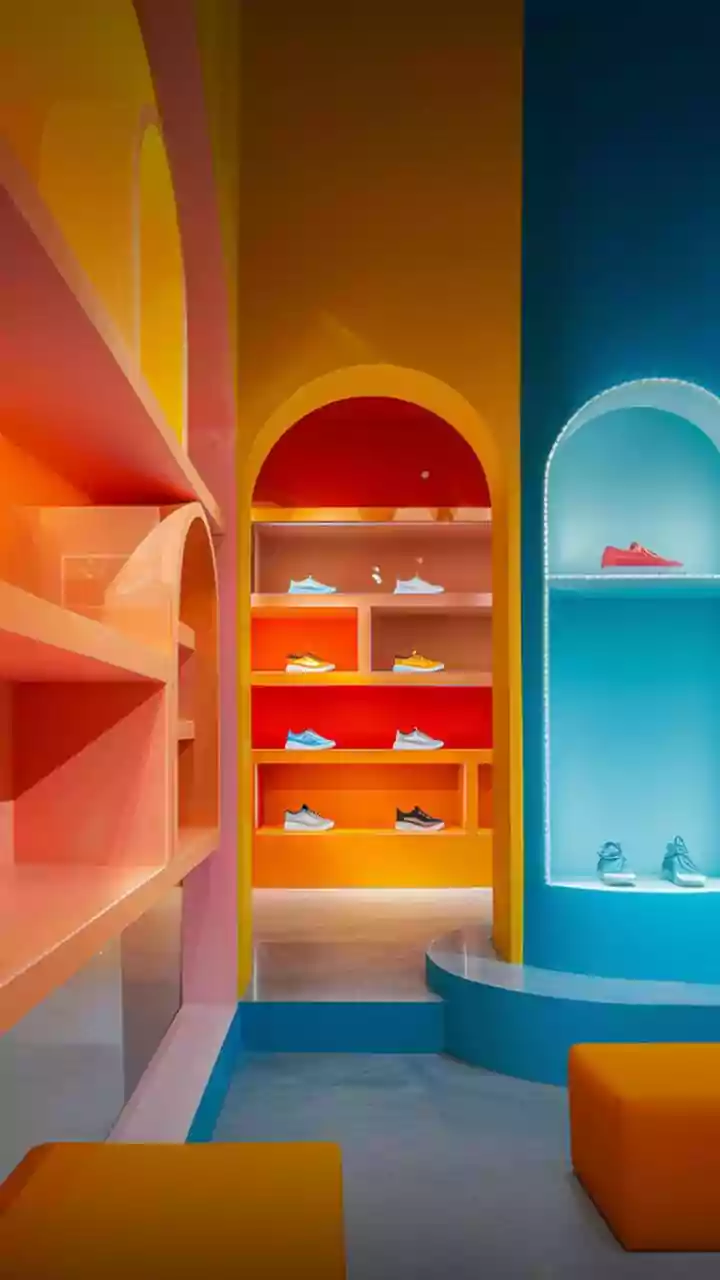
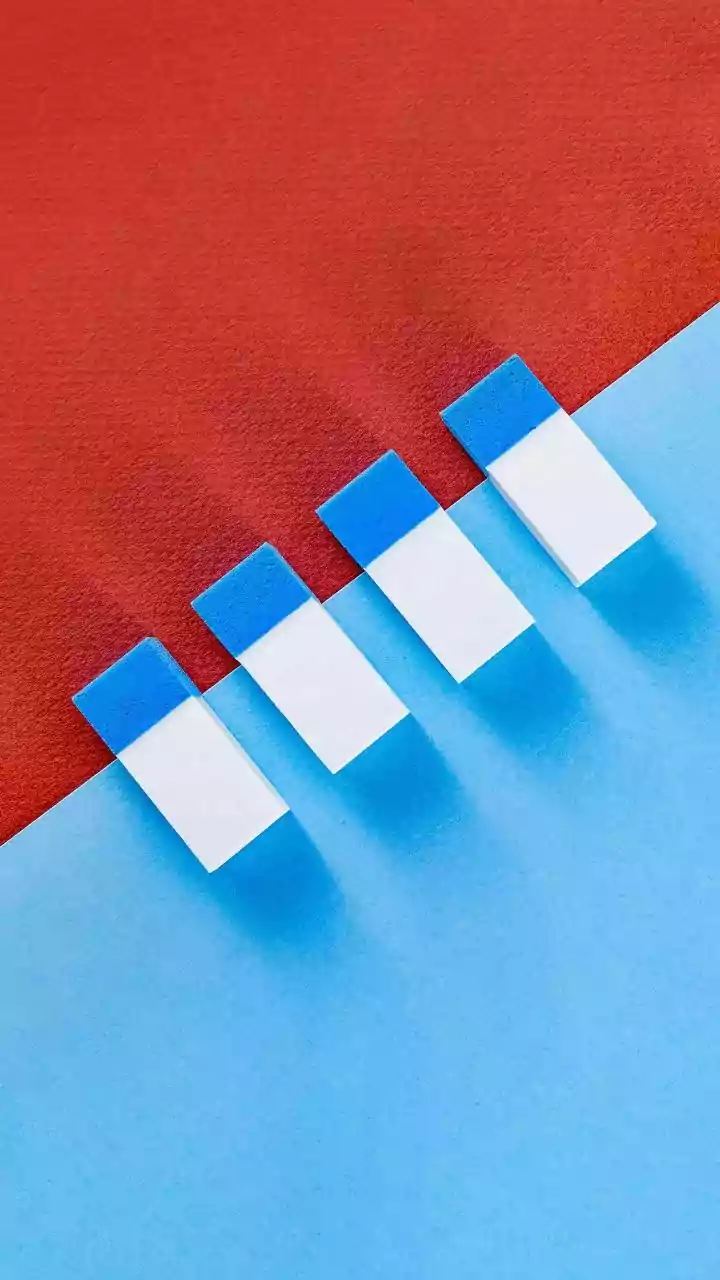
First, let's break down the basics. Colour-blocking is an interior design technique that uses two or more solid blocks of colour in a space to create contrast and drama. It traces its artistic roots to painters like Piet Mondrian, who used grids of primary
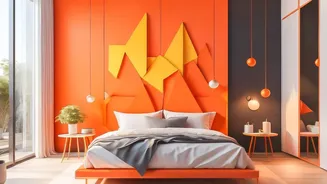
colours to reflect harmony. On its own, it’s a bold way to transform a room. Geometric art, defined by its use of precise lines and shapes, brings structure and creativity to a space. When you combine these two concepts, you get wall art that is more than just decorative. The interplay between the blocks of colour and the defined shapes—circles, squares, triangles—creates a dynamic visual language that can tell a story, evoke an emotion, or establish a specific mood in your home. It’s the difference between a pretty wall and a wall with purpose.
The Psychology of Shapes
The “important context” in the headline really comes down to psychology. Different shapes subconsciously influence how we feel in a space. Angular shapes like squares and rectangles, with their straight lines and predictable forms, often evoke feelings of stability, logic, and order. This makes them perfect for creating a sense of balance and structure in a home office or a modern living room. In contrast, curves, circles, and ovals feel softer and more organic. They can create a sense of unity, calm, and welcoming energy, making them ideal for bedrooms, family spaces, or meditation corners where relaxation is key. Triangles are the most dynamic of the bunch; they suggest movement, energy, and direction. By choosing art that features specific shapes, you're not just decorating; you're curating an emotional atmosphere.
Speaking the Language of Colour
Of course, shape is only half of the story. Colour theory is the framework designers use to create palettes that are cohesive and emotionally effective. Colours influence our mood and perception. Warm colours like reds, oranges, and yellows are seen as energetic, joyful, and passionate. They can make a large room feel cosier and more inviting. Cool hues, such as blues and greens, have a calming and serene effect, which can make smaller spaces feel more open and airy. When you pair these principles with shapes, the effect is amplified. A series of blue circles can create a profoundly tranquil vibe, while a sharp, triangular design in red and yellow can inject a powerful dose of energy and excitement. The key is to choose colours that not only harmonize with your room but also support the feeling you want the geometric shapes to convey.
Making It Work in Your Space
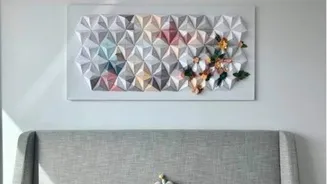
Incorporating geometric, colour-blocked art is highly versatile. A large canvas or a set of prints above the sofa can serve as a stunning focal point in a living room. In minimalist interiors, simple black-and-white geometric pieces add structure without overwhelming the space. For a more dramatic effect, consider using paint to create a geometric mural directly on an accent wall. This technique can visually zone off a specific area, like a reading nook or a workspace in an open-plan home. When selecting your art, consider scale; the size of the piece should be proportional to your room. Don't be afraid to mix and match. Balancing the hard lines of geometric art with softer, more organic shapes elsewhere in your decor, like a curved sofa or a round rug, can create a harmonious and visually interesting environment.