







Shopping for a new mattress can feel overwhelming. Beyond the price tag, core features truly define your sleep: firmness, motion transfer, and overall comfort. Understanding these elements is the key to unlocking your best rest on a spring mattress.
The Foundation: Understanding Innersprings
At
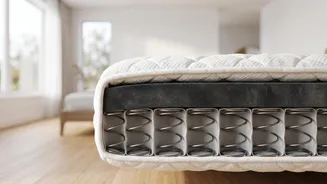
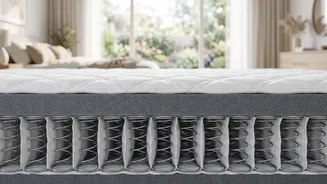
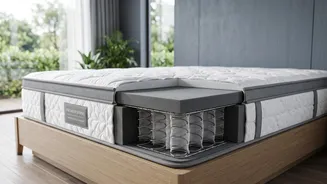
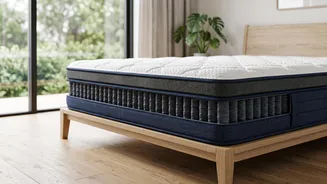
its heart, a spring mattress is built around a core of steel coils. This innerspring unit provides the fundamental support and bounce that these beds are known for. However, not all coils are created equal. The type of spring system dramatically affects the mattress's performance. Traditional Bonnell and continuous wire coils are interconnected, meaning when you press down on one spring, the surrounding ones move with it. This creates a firm, durable surface but often results in high motion transfer. More modern designs use pocketed coils, where each spring is individually wrapped in fabric. This allows them to move independently, offering more targeted support and significantly reducing the amount of movement you feel from a partner.
Decoding Firmness for Your Sleep Style
Firmness refers to the initial feel of the mattress surface, often rated on a 1-10 scale. The right level for you depends heavily on your primary sleeping position and body weight, as the main goal is to keep your spine in a neutral alignment. Side sleepers typically need a soft to medium mattress (a 4-6 on the scale) that allows their shoulders and hips to sink in slightly, relieving pressure on those joints. Back sleepers generally benefit from a medium-firm feel (5-7) that supports the natural curve of the lower back without letting the hips sag. Stomach sleepers require the most support and should opt for a medium-firm to firm mattress (7-9) to prevent their midsection from sinking too low, which can strain the spine.
The Motion Transfer Test for Couples
Motion transfer is the ripple effect you feel when someone else moves on the bed. If you share a bed, especially with a restless partner or one on a different sleep schedule, this can be a major source of sleep disruption. Mattresses with interconnected coils, like Bonnell or continuous wire systems, are known for transferring a lot of motion. A movement on one side travels easily across the network of springs. This is where pocketed coils truly shine. Because each spring is encased in its own fabric sleeve, they compress independently and absorb movement locally. This 'motion isolation' means you're far less likely to be disturbed by your partner's tossing and turning, leading to a more peaceful, uninterrupted night for both of you.
Beyond the Springs: The Role of Comfort Layers
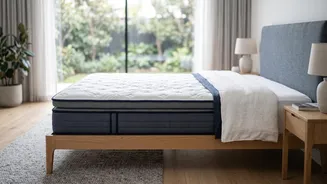
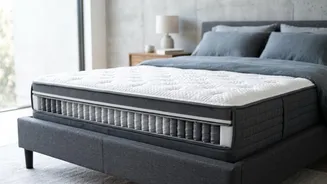
The overall sleeping comfort of a spring mattress isn't just about the coils; it's also determined by the comfort layers on top. These layers, made from materials like memory foam, latex, polyfoam, or fluffy fiberfill, sit between you and the spring system. They provide cushioning, relieve pressure points, and contribute significantly to the mattress's final firmness feel. A thick, plush pillow top will offer a much softer surface feel, even over a firm coil unit. In contrast, a thinner comfort layer allows you to feel the supportive bounce of the springs more directly. These layers also play a role in temperature regulation and responsiveness, which is how quickly the surface adapts as you change positions.