







A Shifting Global Travel Map
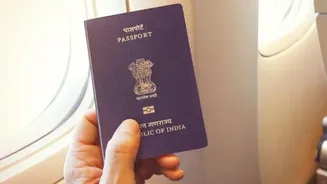
For Indian travellers who thrive on exploring new corners of the world, 2026 has brought a mixed bag of news. While some nations are opening their doors wider, a handful have revised their visa policies, removing the convenience of visa-free entry or visa-on-arrival
facilities. These changes have been reflected in global mobility indexes, with the Henley Passport Index ranking India at 81st as of mid-2026. The total number of destinations accessible to Indian passport holders without a prior visa dropped from 57 to 55 this year. This shift underscores a simple new reality for globetrotters: always check the latest rules before you book. Spontaneity is still possible, but it now requires a quick verification step to avoid disappointment at the airport.
Iran: Visa-Waiver Programme Suspended
Iran, a country rich in Persian history and culture, was previously one of the more accessible destinations for Indians. The country had a visa-waiver programme that allowed ordinary Indian passport holders to enter without securing a visa in advance. However, that policy has now been suspended. Indian travellers planning to explore the ancient ruins of Persepolis or the bustling bazaars of Tehran must now obtain a visa before beginning their journey. This change means that a trip to Iran requires more administrative foresight, and travellers should factor the visa application process into their timelines and budgets.
Bolivia: E-Visa Replaces Visa on Arrival
The stunning salt flats of Salar de Uyuni and the vibrant cities of Bolivia are still within reach, but the entry process has changed. The South American nation has discontinued its visa-on-arrival facility for Indian citizens. In its place, Bolivia has implemented a mandatory online e-visa system. This requires travellers to complete an application and receive official approval before they even head to the airport. Airlines may deny boarding to passengers who do not have a pre-approved e-visa, making it an essential step that cannot be overlooked. The days of landing in La Paz and sorting out paperwork on the spot are over.
Cape Verde: Pre-Travel Visa Now Mandatory
The beautiful archipelago of Cape Verde, located off the northwest coast of Africa, has also updated its entry requirements. Effective from early 2026, the island nation suspended its visa-on-arrival service for citizens of 96 countries, including India. Previously, Indian tourists could obtain their visa upon landing. Now, anyone wishing to visit must secure a visa before departing from India. This policy shift was part of a broader revision of the country's immigration rules. For Indian holidaymakers dreaming of Cape Verde's volcanic landscapes and pristine beaches, applying for a visa well in advance is the new standard procedure.
Nicaragua: A Move to Stricter Vetting
Nicaragua has implemented one of the more significant changes affecting Indian travellers. The Central American country has eliminated its visa-on-arrival option. Indian passport holders are now placed under the 'Category C' or 'Consulted Visa' system. This means that applications require prior authorisation directly from Nicaragua's immigration authorities before travel can commence. This is a more stringent process than a standard tourist visa application and implies a deeper level of background vetting. It is crucial for anyone planning a visit to start this process early, as approval is not guaranteed and is required before you can board your flight.
The Brighter Side: Some Doors Are Opening
While these four destinations now require more planning, it's not all challenging news for Indian travellers. Other countries have eased their rules, demonstrating the dynamic nature of global travel policies. Malaysia, for instance, has extended its popular visa-free entry scheme for Indians until the end of December 2026, allowing for stays of up to 30 days. In Europe, Germany has removed the need for an airport transit visa for Indians connecting to a non-Schengen country, simplifying journeys to the Americas and Africa. These positive developments show that while some routes become more complex, others are becoming more streamlined, rewarding the prepared and informed traveller.