



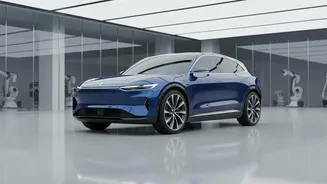
Just How Long Is the Wait?
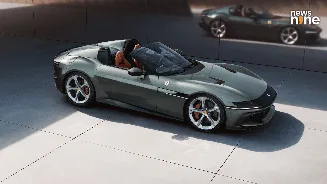
If you decide today that you want a new Ferrari, you will likely be waiting until at least 2028. In a July 2026 earnings update, CEO Benedetto Vigna confirmed that the company's entire production schedule for 2027 is completely full. This isn't for just
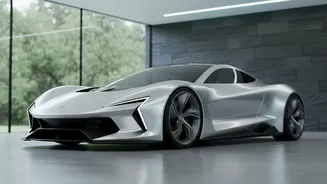
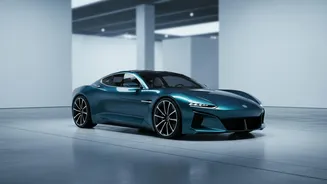
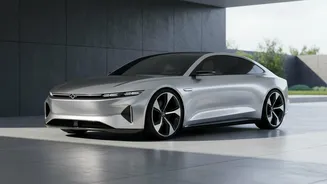
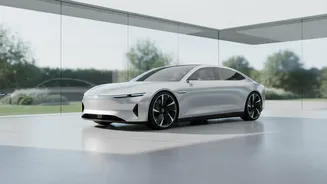
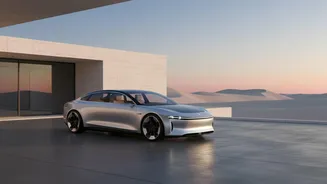
one popular model; it applies across the entire lineup, from the new 12Cilindri to the brand's first all-electric car, the Luce. This means that every single car Ferrari plans to build next year already has an owner’s name attached to it. This situation has been building consistently. Early in 2026, the order book was described as stretching towards the end of 2027; now, it entirely covers it, showing that demand is outpacing even the most optimistic projections.
A Masterclass in Scarcity
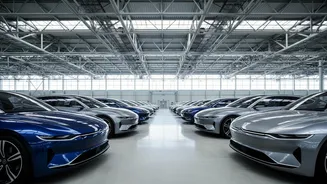
It's easy to assume these delays are a production problem, but that would be missing the point of Ferrari's entire business model. The long wait is not an accident; it is the result of a deliberate and long-standing strategy to produce fewer cars than the market demands. The company caps its annual production at around 14,000 cars globally. By setting this self-imposed limit, Ferrari ensures that its vehicles remain rare, exclusive, and highly desirable. A full order book isn't a sign of demand running out of control; it's proof that the company's strategy of creating a deliberately narrow doorway is working perfectly. This philosophy extends to specific models, like the Purosangue SUV, where production is capped at 20 percent of total output to ensure it doesn't dilute the brand's sports car identity.
The Real Engine of Profit: Personalization
While production numbers are kept low, Ferrari's profits are soaring. The company's recent financial results show that revenue and profit margins are climbing, even as the number of cars delivered in a quarter remains constrained. The secret isn't selling more cars; it's selling more of each car. The true engine of this growth is personalization. Customers on the waiting list are encouraged to add bespoke options and custom specifications to their orders. These personal touches—from unique paint colors to specific interior trims—come at a significant cost and are a major driver of Ferrari's industry-leading profit margins. This focus on personalization transforms the waiting period from a passive delay into an active, creative process for the buyer, deepening their connection to the car and the brand.
The Psychology of Exclusivity
The multi-year wait serves a powerful psychological function. It acts as a filter, ensuring that only the most dedicated and affluent customers gain access. This builds a sense of an exclusive club, where ownership is a privilege to be earned, not just purchased. The anticipation built over years enhances the emotional payoff when the car is finally delivered. Furthermore, this exclusivity protects the long-term value of the cars themselves. Unlike mass-produced vehicles, a Ferrari is less likely to depreciate significantly because supply is always kept in check. This strategy has proven effective even with controversial models. The brand's first electric car, the Luce, sold out its entire 2026 allocation within two months of its debut, despite a polarizing design, with strong demand coming from new markets.