



Meet the Cosmic Lion
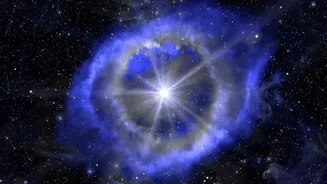
First, let's get acquainted with the star of the show. The Lion Nebula, known to astronomers as NGC 2392, is not a place where stars are born, but rather where a star like our own Sun went to die. It's a type of celestial object called a planetary nebula—a
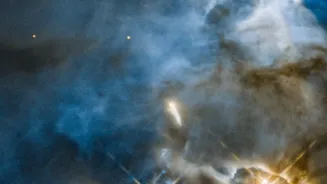
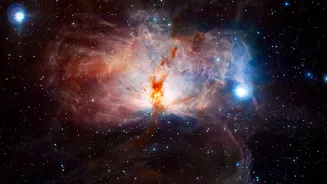
slightly confusing name, as it has nothing to do with planets. Instead, it’s the glowing, expanding shell of gas and dust that was puffed away by a star in its final stages of life. At the very center of this cosmic masterpiece sits the remnant of that star: a super-hot, dense core called a white dwarf. In the images, this white dwarf appears as the tiny, bright “button nose” of the lion. For thousands of years, this nebula has been evolving, shaped by the intense energy pouring out from its dying star.
A New Perspective from Webb
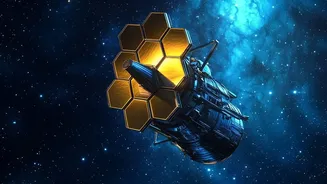
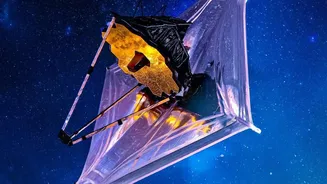
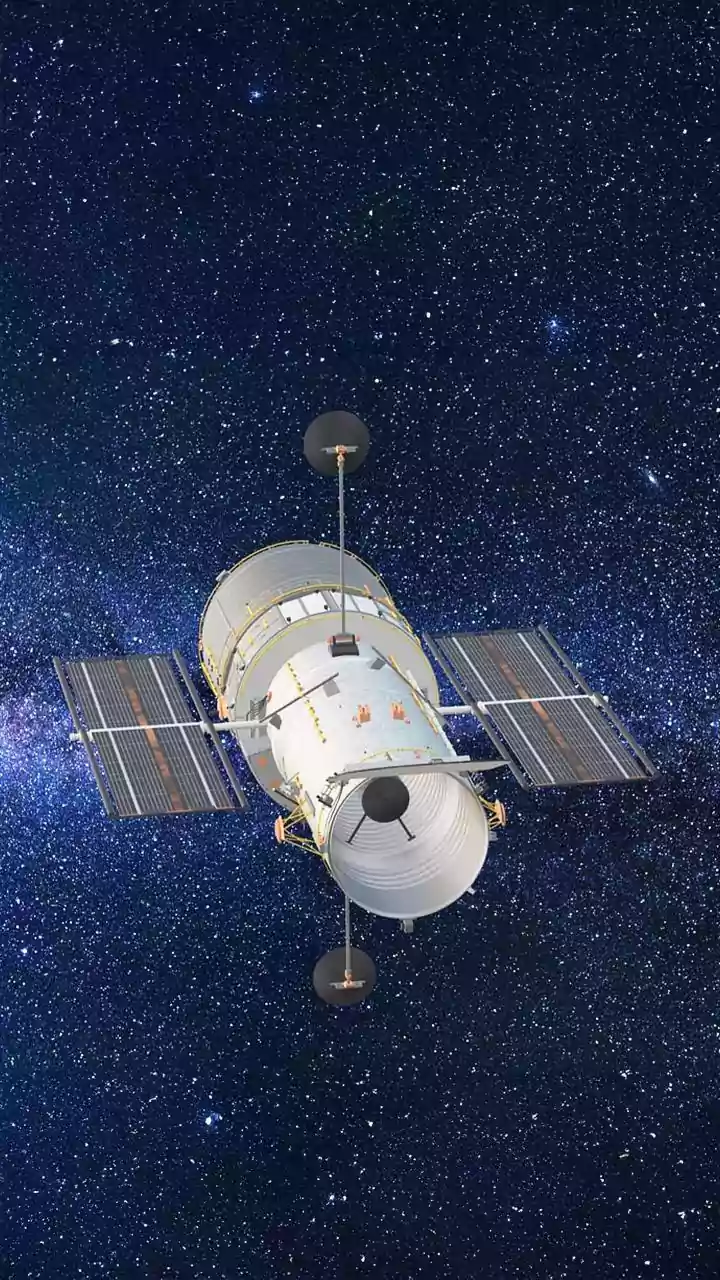
While the Hubble Space Telescope gave us our first stunning look at the Lion Nebula in visible light back in 2000, the James Webb Space Telescope sees the universe differently. Using its powerful near-infrared and mid-infrared cameras, known as NIRCam and MIRI, Webb can pierce through obscuring layers of cosmic dust to reveal details that were previously hidden or hazy. While the overall lion-like shape is familiar, Webb's vision brings the nebula's intricate structures into sharp focus. It provides a clearer, more detailed view that allows scientists to dissect the dramatic events unfolding within the nebula's colourful clouds. This new portrait is less of an update and more of a revelation, showing the dynamic forces at play with unprecedented clarity.
The Science of Ionised Gas
The headline's mention of “ionised gas” is central to what makes this image so important. So, what is it? Simply put, it's gas that has been superheated to such an extreme degree that its atoms are stripped of their electrons. The culprit is the intense radiation blasting from the white dwarf at the nebula's core. This star is so hot that it's essentially “cooking” the gas shells it previously ejected, causing them to glow brightly. This glowing, superheated material forms a massive, expanding bubble of ionised gas, which creates the structure we see as the lion's “face”. Webb's infrared sensitivity is perfectly suited to capturing the faint haze and complex structure of this ionised gas, giving scientists their best view yet of how this process unfolds.
A Story of Destruction and Survival
Here is where the “new context” truly emerges. The Webb image tells a story of cosmic conflict. As the bubble of ionised gas expands outward from the central star, it acts like a shockwave, destroying clouds of dust that lie in its path. But not all the dust is obliterated. The new portrait clearly shows that the lion's shaggy “mane” is made of surviving dust and gas. Within this mane are dense, compact clumps of dust that have managed to withstand the onslaught of radiation. These clumps act like shields, protecting the material trailing behind them and creating beautiful, wispy structures that resemble the tails of comets. This detailed view of the interplay between the destructive force of the ionised gas and the resilient dust clumps provides a unique laboratory for astronomers studying the final, chaotic stages of a star's life.