








Decades of Lawsuits and Mounting Pressure
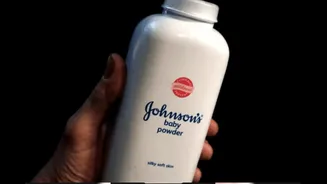
For years, Johnson & Johnson has been battling claims that its iconic talc-based baby powder was contaminated with asbestos and caused cancers like ovarian cancer and mesothelioma. The first lawsuit was filed back in 2009. Since then, the company has faced
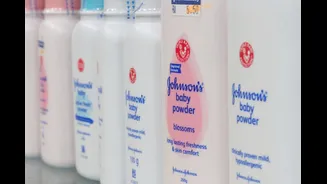
tens of thousands of similar suits, resulting in a mixed record at trial that included some staggering losses, such as a multi-billion dollar verdict in 2018. In 2020, J&J stopped selling its talc-based powder in North America, citing a decline in demand amid what it called "misinformation" about the product's safety. It later announced a global phase-out. Despite consistently maintaining that its product was safe, the sheer volume of litigation and the massive potential liability forced the company to seek a comprehensive solution.
The 'Texas Two-Step' Bankruptcy Gambit
In October 2021, J&J deployed a controversial legal maneuver known as the "Texas two-step." The strategy, permissible under Texas law, allows a company to split itself into two entities. J&J created a new subsidiary, LTL Management, and funneled all its talc-related liabilities into it. The original company, now cleansed of these massive debts, could continue its profitable business operations. Immediately after its creation, LTL Management filed for Chapter 11 bankruptcy. This move automatically paused all lawsuits against it, aiming to force all 38,000-plus claimants into a single bankruptcy court where J&J hoped to resolve all claims with a limited settlement fund.
Why the Courts Repeatedly Said 'No'
The legal community and plaintiffs' lawyers heavily criticized the move, arguing that a hugely profitable company like J&J was abusing the bankruptcy system to shield its assets and deny claimants their day in court. The courts ultimately agreed. Federal appeals courts rejected J&J's bankruptcy strategy not once, but multiple times. The core reason for the dismissals was that LTL Management, the subsidiary, was not actually in "financial distress." Thanks to a funding agreement from its ultra-wealthy parent company, J&J, which was worth over $60 billion, LTL had more than enough money to cover its liabilities. The courts ruled that bankruptcy protection is for entities genuinely facing financial ruin, not for solvent corporations looking for a convenient way to manage litigation.
A Shift to Direct Negotiation
With the bankruptcy route firmly shut by the courts, J&J was forced back to the drawing board. The repeated legal defeats demonstrated that it could not impose a settlement on its own terms. Instead, it had to engage directly with the plaintiffs' attorneys. This led to a significant shift in strategy, moving from the courtroom battlefield of bankruptcy to direct negotiations. After its third and final bankruptcy attempt was rejected in early 2025, J&J began pursuing a more conventional path. This change in approach culminated in the July 2026 announcement of a proposed settlement to resolve the vast majority of remaining ovarian cancer claims.
What the New Settlement Entails
The new plan is a pre-packaged settlement negotiated outside of bankruptcy court, though it involves a pre-packaged Chapter 11 filing to implement the deal. J&J has proposed to pay around $6.48 billion over 25 years to resolve the ovarian cancer lawsuits. Unlike the prior bankruptcy proposals, this deal was negotiated with lawyers representing a significant majority of the claimants. For the deal to be finalized, it requires the approval of 75% of the voting claimants. This represents a fundamental change from trying to force a settlement through a divisive legal maneuver to building a consensus with the people who have filed claims. While J&J still asserts its products are safe, this direct approach marks the company's most significant step toward finally ending this decade-long legal saga.