






Anatomy of a Tourism Juggernaut
The headline figure, while immense, is part of a larger and even more impressive story. Official figures released in late July 2026 show Phu Quoc generated approximately 36.45 trillion Vietnamese Dong in tourism revenue in just the first seven months
of the year. That translates to roughly $1.46 billion USD, a figure that puts the island on a trajectory to smash all previous records. This represents a staggering 46% increase in revenue compared to the same period in 2025. The boom is fueled by a massive influx of visitors. In that same seven-month window, the island welcomed over 6.8 million tourists, a 30% jump year-on-year. Crucially, international arrivals have skyrocketed, surging by more than 53% to hit 1.5 million people, signaling Phu Quoc's successful pivot from a primarily domestic hotspot to a bona fide international destination.
The Blueprint for Explosive Growth
This success is not accidental; it is the result of a calculated, multi-pronged strategy. A key policy driver has been the government's decision to grant visa-free access to the entire island, a powerful incentive for international travelers. This open-door policy has been supercharged by colossal private investment from Vietnamese conglomerates like Sun Group and Vingroup. These giants have poured billions into creating a world-class hospitality and entertainment ecosystem, building luxury resorts, and developing iconic attractions. The strategy is clearly paying dividends, with the island racking up international accolades. In late 2025, Condé Nast Traveler readers voted it the third most beautiful island in the world, while platforms like Expedia named it a top Destination of the Year for 2026.
More Than Just Sun and Sand
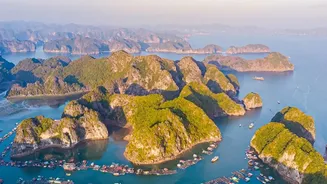
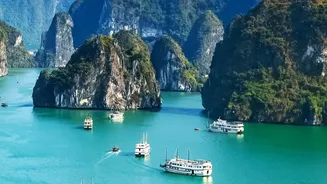
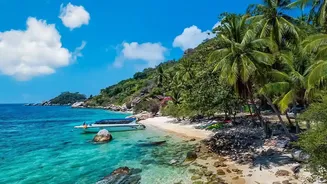
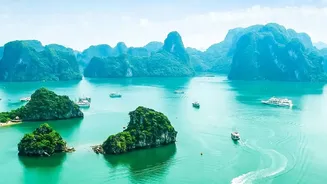
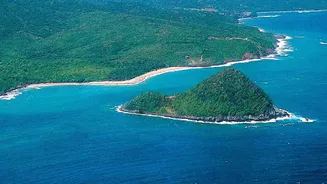
While its pristine beaches remain a primary draw, Phu Quoc is rapidly diversifying its appeal. The island now competes with established regional players by offering a vast array of entertainment options. Visitors can ride the Hon Thom Cable Car, the world's longest three-wire sea-crossing cable car, for breathtaking views. They can explore sprawling theme parks, take photos on the viral Kiss Bridge, or watch the record-breaking multimedia water show, "Kiss of the Sea." This deliberate shift towards a multi-experience destination aims to capture a broader tourist demographic and encourage longer stays. It transforms the island from a simple beach getaway into a comprehensive resort and entertainment hub, capable of retaining visitor interest day and night. This move is critical in a competitive Southeast Asian market where destinations can no longer rely on natural beauty alone.
The Price of Paradise
However, this hyper-growth comes with significant challenges. The speed and scale of development are placing immense strain on the island's infrastructure and environment. Experts and observers have raised concerns about the risk of infrastructure overload, environmental pollution from construction, and the social impact of rapid commercialization. There are also economic pressures; a few years ago, the island faced criticism for high prices that sometimes made it more expensive than a trip to Thailand. Furthermore, reports from earlier in 2026 highlighted that preparations for the high-profile APEC 2027 summit are facing headwinds, with shortages of workers and materials causing delays on key projects. These growing pains represent the central challenge for Phu Quoc: managing its explosive success without sacrificing the natural charm that made it famous.