





A Once-in-a-Dozen-Years Spectacle
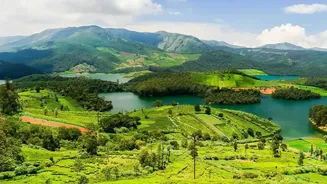
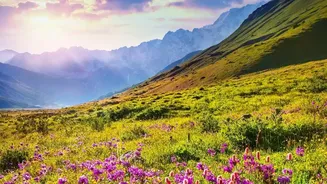
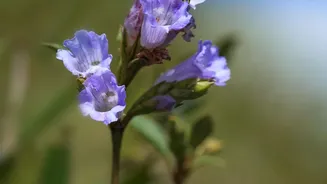
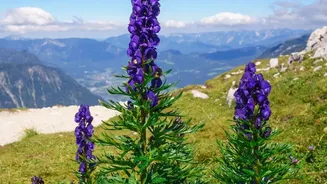
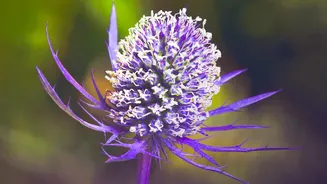
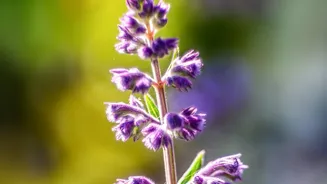
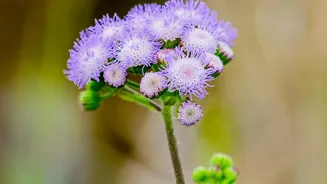
The hills of the Western Ghats are currently hosting a magnificent natural event: the mass flowering of the Neelakurinji (Strobilanthes kunthiana). This shrub, endemic to the shola grasslands, has a unique life cycle, blooming gregariously only once every
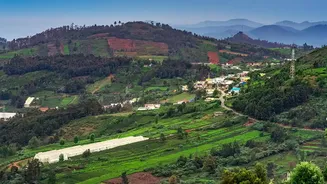
12 years. The phenomenon transforms entire hillsides into a vibrant sea of purplish-blue flowers, attracting nature enthusiasts, photographers, and tourists from all over the country. This year's bloom has been reported in several locations across the Gudalur forest division, including Naadukani, Oosimalai, and O'Valley, drawing hundreds of visitors eager to capture the ephemeral beauty.
The Threat of Unregulated Tourism
While the bloom is a boon for tourism, the sudden influx of people poses a significant threat to the very ecosystem that creates it. Past blooming events have shown that unregulated crowds can cause immense damage. The primary concerns are trampling the delicate plants, which prevents them from seeding and regenerating for the next cycle, and the accumulation of plastic waste. This year, the rise of social media influencers has amplified the rush, with many visitors venturing into sensitive areas for selfies and videos, further stressing the fragile habitat. Reports from late July 2026 noted that officials had to initially restrict access after tourists were seen trampling and destroying the delicate shrubs.
An Ecosystem at Risk
The restrictions are about more than just protecting a flower. Neelakurinji is a keystone species in the shola grasslands. Its dense root system helps prevent soil erosion on the steep slopes, a vital function in a region prone to landslides. The flowering sites are also located within crucial wildlife corridors. Gudalur, for instance, is a major zone for human-elephant conflict. The increased human presence, noise, and traffic can disrupt the movement of wild elephants and other animals, leading to potentially dangerous encounters for both wildlife and people. Forest officials have explicitly cited heavy elephant movement as a key reason for controlling public access.
The Force of Law
Recognizing its vulnerability, the Government has stepped up legal protections. In 2023, the Ministry of Environment, Forest and Climate Change listed Neelakurinji under Schedule III of the Wildlife (Protection) Act, 1972. This gives the plant protected status, making it a punishable offense to pluck the flowers or damage the plants. Anyone found doing so could face a significant fine and even imprisonment. This legal backing gives forest officials the authority they need to enforce access rules and protect the species from harm, moving beyond simple oral warnings which many visitors had previously ignored.
Balancing Conservation and Admiration
The restrictions are not a blanket ban. In some areas, the forest department is managing controlled access. Forest guards have been deployed to guide visitors, using megaphones to instruct them to enjoy the views and take photos from a safe distance without stepping on the plants. This approach aims to strike a difficult but necessary balance: allowing people to witness the natural wonder while ensuring its survival. The core message from officials is clear: these measures are not to deny the experience, but to preserve the Neelakurinji and its habitat for future generations to admire.