


The Galaxy Next Door Is Changing
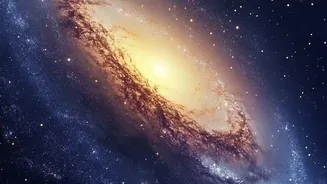
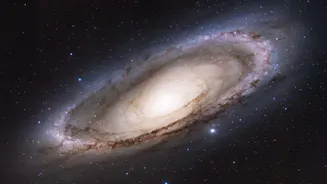
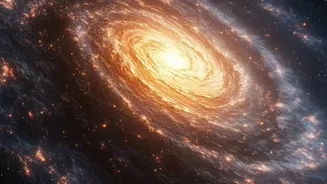
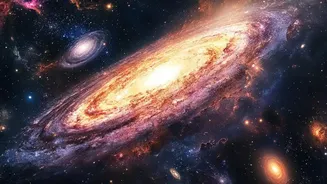
Our cosmic neighbour, the Andromeda galaxy, has long been a subject of fascination. It’s the closest major spiral galaxy to our own Milky Way, a colossal collection of an estimated one trillion stars located about 2.5 million light-years away. For years,
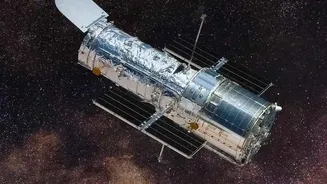
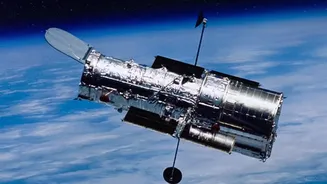
the big story about Andromeda has been its trajectory: it's hurtling towards us. However, a new study using a treasure trove of data from the Hubble Space Telescope has uncovered a different kind of change—one happening inside Andromeda itself. Astronomers have found that the galaxy's ability to create new stars has been slowing down significantly over the last 500 million years. This isn't about its collision course with us, but about its own life cycle. It appears Andromeda is transitioning from a vibrant, active galaxy into a more quiescent, or quiet, phase.
Reading the 'Fossil Record' of Stars
How can scientists look back 500 million years into a galaxy's history? They do it by studying the stars themselves. Using two extensive Hubble surveys, astronomers meticulously mapped about 200 million individual stars across two-thirds of Andromeda's disk. These stars act as a 'fossil record'. Massive stars burn brightly with a blueish light but have very short lives, while smaller, less massive stars are redder and can live for billions of years. By analysing the colours and distribution of stars, scientists can determine when and where star formation was most active. This detailed mapping allowed them to build a history of the galaxy's star birth rate. The data revealed that 500 million years ago, Andromeda was churning out stars at a rate of about one solar mass per year. But that rate has been in steady decline ever since.
A Sharp and Recent Decline
The slowdown in star birth hasn't been just a gradual tapering off; the new research indicates the decline became particularly steep in the last 40 million years. The current rate has plummeted to about one-fifth of a solar mass per year. Much of Andromeda's recent star-making activity has been concentrated in prominent ring-like structures, and it's within these rings that the decline is most apparent. Interestingly, the study suggests that this slowdown isn't because the galaxy is running out of the necessary gas and dust. Instead, it seems to be a natural winding down following a much more active period. About two billion years ago, Andromeda experienced a dramatic burst of star formation, likely triggered by a collision with another, smaller galaxy. What we are seeing now may be the long, slow exhale after that frenetic event.
What About That Collision?
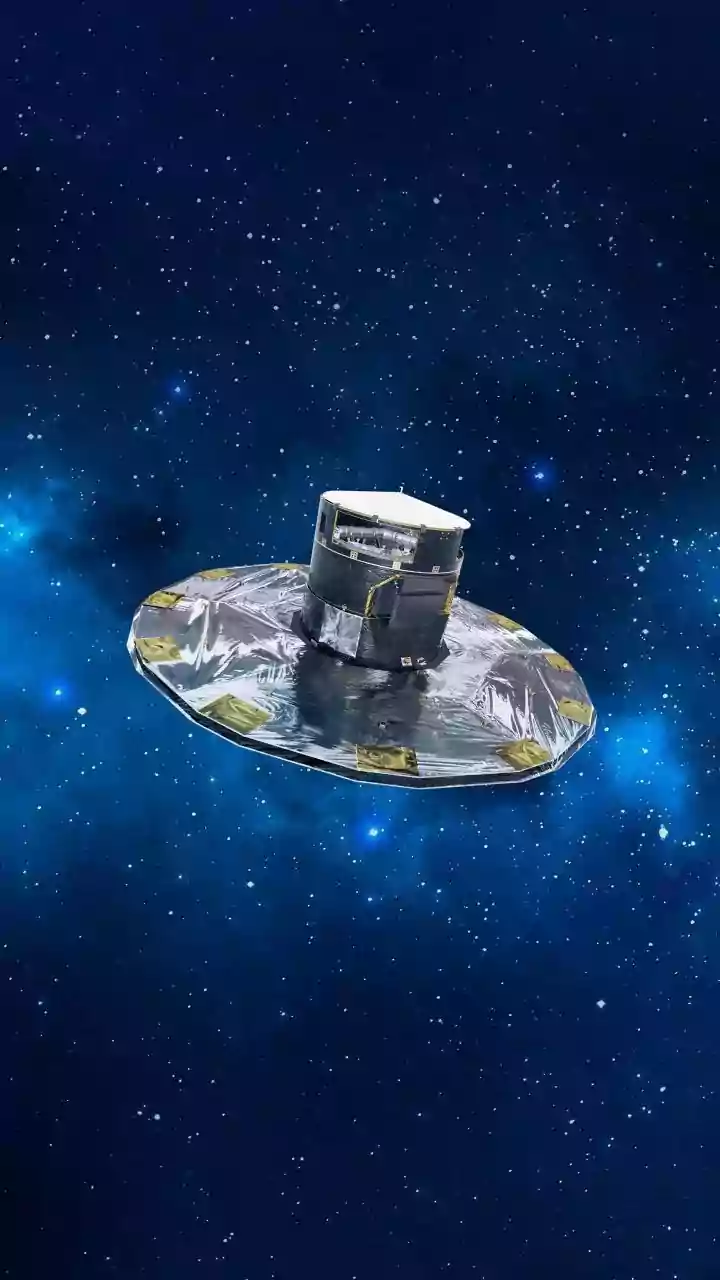
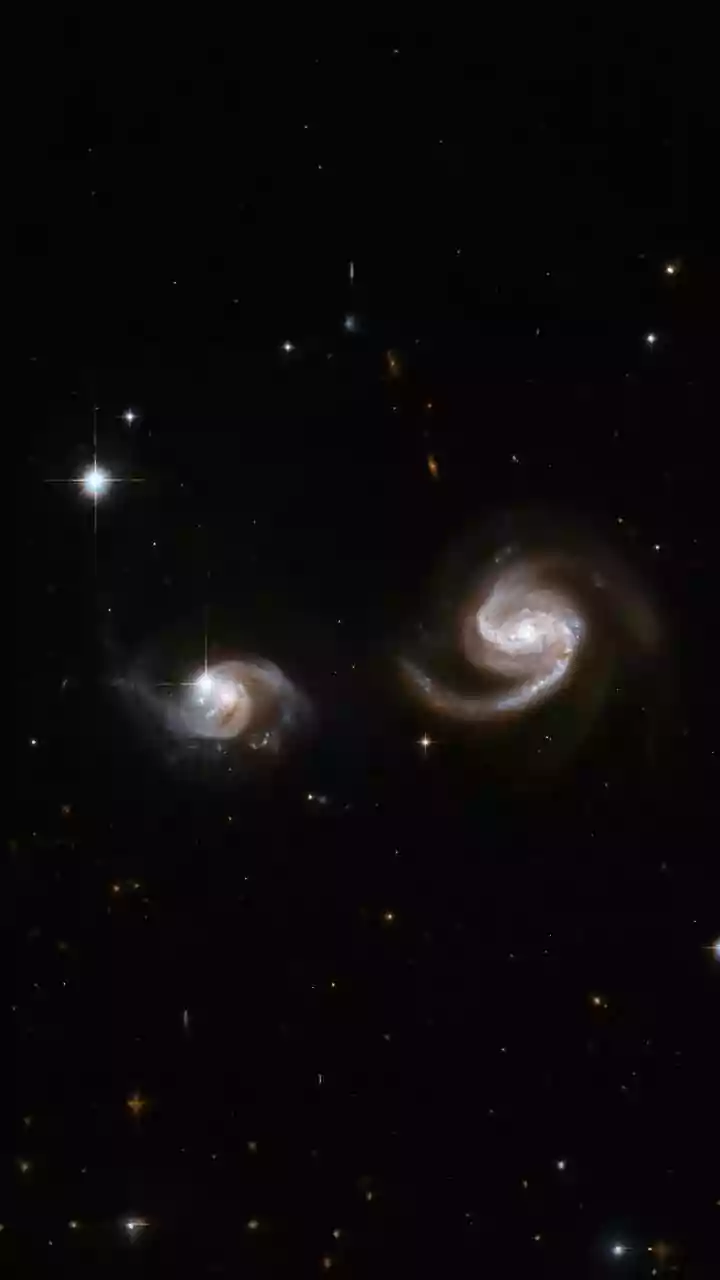
While this study focuses on Andromeda's internal evolution, it naturally brings up the question of its eventual encounter with the Milky Way. For a long time, a head-on collision in about 4.5 billion years was considered a near certainty. However, the same advanced telescopes that allow us to map Andromeda's stars—Hubble and the ESA's Gaia satellite—have also been used to refine measurements of Andromeda's sideways motion. More recent studies incorporating this new data suggest the future is far more uncertain. These simulations now give roughly a 50-50 chance that the two galaxies will collide within the next 10 billion years. Factors like the gravitational pull of satellite galaxies, including our own Large Magellanic Cloud, can slightly alter the trajectory of both galaxies, making a glancing blow or a complete miss entirely possible scenarios.