






The Spark of Innovation
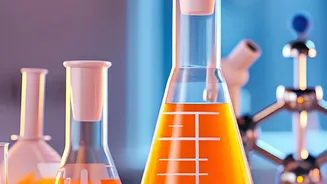
In laboratories around the world, scientists are racing to solve one of the biggest challenges in climate change: how to decarbonise air travel. Recently, a significant step forward was announced with the development of a new type of catalyst. Think of a catalyst as a chemical
matchmaker; it speeds up a reaction without being consumed itself. In this case, new catalysts—some using common metals like iron—have shown they can efficiently convert things like carbon dioxide, ethanol, or plant-based materials into synthetic jet fuel. This is a big deal because previous methods often relied on expensive precious metals or less efficient processes. These breakthroughs suggest a future where the building blocks for jet fuel could come from captured carbon or renewable agricultural sources, drastically cutting the carbon footprint of flying.
From the Lab to the Landing Strip
An exciting lab result, however, is just the first step on a very long journey. Before any new fuel can be pumped into an airliner, it must be rigorously tested and certified. The gold standard for aviation is that any new fuel must be a 'drop-in' replacement. This means it has to be chemically similar enough to traditional jet fuel that it can be blended and used in existing aircraft engines and airport refuelling systems without any modifications. This process is overseen by international standards bodies like ASTM International and regulatory authorities such as the Federal Aviation Administration (FAA). Gaining approval involves years of tests to ensure the fuel is stable, performs reliably under all conditions, and, above all, is completely safe. Each new production method, or 'pathway', must clear this high bar, a process that is deliberately methodical and slow.
The Billion-Dollar Question of Scale
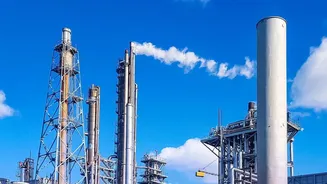
Even after a fuel is certified, the largest hurdle remains: production scale. Currently, sustainable aviation fuel (SAF) accounts for less than 1% of the world's total jet fuel consumption. The airline industry has ambitious goals, with some aiming for 10% SAF usage by 2030, but the gap between today's reality and that target is enormous. Scaling up requires building entirely new biorefineries, which is a massive capital undertaking. Estimates suggest that meeting the industry's 2050 decarbonisation goals could require over a trillion dollars in investment for new production infrastructure. A catalyst that works perfectly in a lab beaker needs to be proven to work just as well in an industrial reactor that produces millions of gallons. This leap from lab-scale to industrial-scale is a common, and costly, failure point for many new technologies.
Mind the Price Gap
For airlines operating on razor-thin margins, cost is everything. At present, SAF is anywhere from two to five times more expensive than conventional kerosene-based jet fuel. This 'green premium' is the single biggest barrier to widespread adoption. While a new, more efficient catalyst can help lower the production cost, it doesn't erase the massive expense of sourcing sustainable raw materials (known as feedstocks) and building the necessary facilities. Until that price gap closes significantly, SAF will remain a niche product used by airlines to meet regulatory mandates or demonstrate corporate responsibility, rather than the default fuel for global aviation. Governments and policymakers are being called upon to create incentives, such as tax credits and subsidies, to de-risk private investment and help make SAF a more economically viable option for carriers.