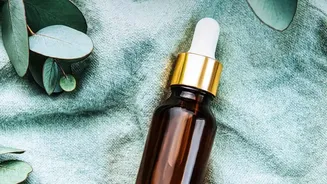






The Power and Popularity of Eucalyptus Oil
Derived from the leaves of the eucalyptus tree, this essential oil is a common ingredient in chest rubs, diffusers, and bath products, largely thanks to its main active compound, eucalyptol (or 1,8-cineole). This chemical gives the oil its distinctive,
invigorating aroma. Many people use it to create a calming atmosphere, aid in respiratory relief during a cold, or soothe sore muscles. When properly diluted, it’s also explored for skincare benefits, with some studies suggesting it has anti-inflammatory and antibacterial properties that may help calm redness and fight blemish-causing bacteria. These potential benefits make it a tempting addition to any natural beauty regimen.
Why You Can't Apply It Directly
The same potency that gives eucalyptus oil its benefits also creates risks. Pure, undiluted essential oils are highly concentrated plant extracts. Applying eucalyptus oil directly to the skin can cause significant irritation, including redness, rashes, burns, and blisters. It’s simply too harsh for your skin to handle on its own. Beyond immediate irritation, using undiluted oils can lead to a long-term issue called skin sensitization. This is an allergic reaction that can develop over time, meaning you could suddenly become allergic to an oil you've used before without issue, resulting in contact dermatitis. Ingesting eucalyptus oil is even more dangerous and can be toxic, potentially causing serious health problems.
Your Safety Check: What is a Patch Test?
A patch test is a simple method to check if your skin will react negatively to a new product before you apply it to a larger area. It’s a vital safety measure, especially for potent ingredients like essential oils, even if they are organic or 100% natural. Everyone's skin is different, and something that works perfectly for one person might cause a severe reaction in another. This quick test, which takes only a few minutes to set up, can save you from days of uncomfortable itching, redness, and irritation. It is the best way to determine your personal sensitivity to an oil before making it a regular part of your routine.
How to Perform a Patch Test: A Step-by-Step Guide
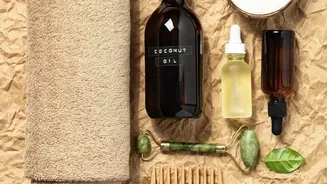
Performing a patch test at home is straightforward. Here’s how to do it correctly: 1. Dilute the Oil: Never patch-test with undiluted essential oil. Mix 1-2 drops of eucalyptus oil with one teaspoon (about 5ml) of a carrier oil like coconut, jojoba, or sweet almond oil. This creates a safe 1-2% dilution. 2. Choose a Test Area: Apply a small amount of the diluted mixture to a discreet patch of skin. The inside of your forearm is an ideal spot because the skin is sensitive enough to react reliably. 3. Cover and Wait: Cover the area with a small bandage. Leave it on and keep the area dry for 24 hours. If you have a history of sensitive skin or allergies, it’s wise to wait up to 48 hours. 4. Check for a Reaction: After the waiting period, remove the bandage and carefully examine your skin. If you experience intense burning or itching at any point, remove the bandage immediately and wash the area with soap and water.
Recognising the Signs of a Bad Reaction
If your skin doesn't agree with the oil, it will let you know. A negative reaction, known as contact dermatitis, can manifest in several ways. Look for signs of redness, itching, burning sensations, a rash, or small blisters on the test area. These symptoms may not appear immediately; a delayed reaction can sometimes take 12 to 72 hours to develop. If you see any of these signs, no matter how mild, you should not use the oil on your skin. If a severe reaction occurs, such as swelling, trouble breathing, or dizziness, seek medical help right away, as this could indicate a more serious allergy.
Safe Use Beyond the Patch Test
A successful patch test is just the first step. Every time you use eucalyptus oil topically, it must be properly diluted. A general safe guideline for adults is a 1-2% dilution, which translates to about 6-12 drops of essential oil per 30ml of carrier oil. For application on the face or for those with sensitive skin, an even weaker 0.5-1% dilution is recommended. Always mix the essential oil thoroughly with your chosen carrier oil before applying. Also, be aware that some oils, particularly citrus oils, can cause photosensitivity, making your skin more prone to sunburn. While eucalyptus is not typically cited as a major photosensitiser, it's always good practice to be mindful of sun exposure after using any essential oil.