





Myth: It's Natural, So It Must Be Better
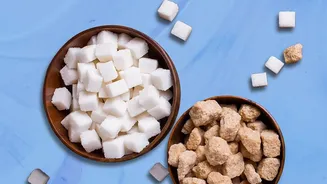
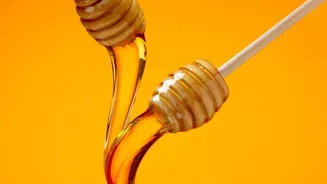
The most powerful part of honey’s appeal is its origin story: it’s made by bees from flower nectar, not in a factory. This leads many to believe it's inherently superior to refined table sugar. The logic feels right—'natural' sounds healthier than 'processed'.
But from a chemical standpoint, the story is more complex. Both honey and table sugar are, at their core, simple sugars that the body uses for energy. The primary difference lies in their structure. Table sugar, or sucrose, is composed of glucose and fructose molecules bonded together. In honey, bees' enzymes have already split most of these bonds, meaning honey is a mix of separate glucose and fructose molecules.
Reality: Your Body Sees Sugar as Sugar
While the journey from flower to jar is more poetic than from sugar cane to bowl, your body’s reaction is quite similar. When you consume either, you are consuming glucose and fructose. Honey is roughly 80% sugar, with the main components being about 40% fructose and 30% glucose. Table sugar is a neat 50/50 split. Because honey is denser than granulated sugar, a tablespoon of honey actually contains more calories and more total sugar than a tablespoon of table sugar (about 64 calories in honey vs. 49 in sugar). Ultimately, major health organisations consider honey an 'added sugar', just like table sugar, and recommend that its consumption be limited.
Myth: Honey is Full of Vitamins and Minerals
One of the most frequent claims is that honey offers nutrients that white sugar lacks. This is technically true. Honey contains trace amounts of B vitamins, potassium, calcium, iron, and zinc. It also contains antioxidants, such as flavonoids and phenolic acids, which are plant compounds that can help protect the body from damage. These are completely absent in refined sugar, lending credibility to honey's 'healthier' image.
Reality: The Nutrient Dose is Too Small to Matter
While those nutrients are present, their quantities are minuscule. To get a meaningful amount of these vitamins, minerals, or antioxidants from honey, you would have to consume a very large, unhealthy quantity of it. The small amount you might stir into your tea or drizzle on your yoghurt simply doesn't provide a significant nutritional benefit. The health risks associated with consuming that much added sugar would far outweigh any benefits from its trace nutrients.
The Raw vs. Processed Distinction
Not all honey is created equal. Most commercial honey is pasteurised (heated to high temperatures) and filtered to give it a clear, smooth appearance and long shelf life. This processing destroys many of the beneficial compounds. Raw honey, on the other hand, is not heated above hive temperatures and is only lightly strained. This means it retains its natural enzymes, bee pollen, and a higher concentration of antioxidants. Some studies show raw honey has antibacterial and anti-inflammatory properties that processed honey lacks. For those seeking the potential therapeutic benefits of honey, raw is the only version worth considering.
The Glycemic Index Edge
One measurable advantage honey has is its effect on blood sugar. The glycemic index (GI) measures how quickly a food raises blood glucose levels. Honey generally has a lower GI (around 58) compared to table sugar (around 65). This means it raises blood sugar a bit more slowly, which is a modest point in its favour. This difference is largely due to honey's higher fructose content, which is metabolized differently than glucose. However, for people managing their blood sugar, this difference is small, and honey must still be treated as a concentrated sugar to be consumed with caution.