




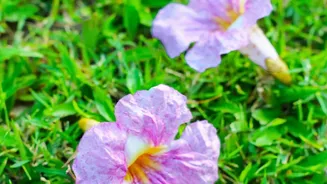
A Once-in-a-Dozen-Year Miracle
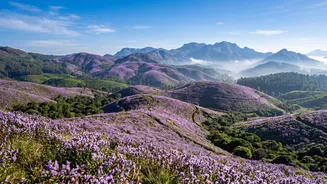
The Neelakurinji, or Strobilanthes kunthiana, is not just any flower. It is a shrub endemic to the high-altitude shola grasslands of the Western Ghats that follows a remarkable life cycle. It blooms only once in its lifetime, a mass flowering event that occurs
in a synchronised 12-year rhythm. After this spectacular display, the plants die, leaving behind seeds that will patiently wait for the next dozen years to repeat the cycle. This unique behaviour has deep cultural roots; the local Paliyan tribal people traditionally used the bloom to calculate their age. Ecologically, the event is vital. The mass flowering provides a sudden abundance of nectar for bees and other pollinators, playing a crucial role in the mountain ecosystem. The name itself, from the Tamil words 'Neela' (blue) and 'Kurinji' (flower), is woven into ancient Sangam literature, symbolising the region's natural heritage.
Rewind to 2018: A Flood of Tourists and Water
The last major bloom in the famed Eravikulam National Park occurred in 2018, an event anticipated by lakhs of tourists. However, the season was marred by the devastating Kerala floods that year. While Munnar itself was not as severely affected as other parts of the state, the perception of widespread damage led to a dramatic drop in visitor numbers and mass cancellations, severely impacting the local tourism industry that had prepared for a massive influx. Despite this, the bloom was a reminder of nature's resilience. It highlighted the immense drawing power of the Neelakurinji, with authorities having initially expected around eight lakh visitors. The event served as a critical, albeit complicated, test case for managing large-scale eco-tourism in a fragile environment.
A Sharper Focus on Conservation
The years since 2018 have brought a significant shift in perspective, moving from pure spectacle to urgent conservation. In 2024, Strobilanthes kunthiana was officially classified as a 'Vulnerable' species on the IUCN Red List, citing an estimated 40% habitat loss. The primary threats are no longer abstract; they are the concrete realities of habitat fragmentation from tea plantations, infrastructure expansion, and the spread of invasive alien plant species like acacia and eucalyptus. Unregulated tourism during flowering seasons adds further pressure through trampling and waste accumulation, which can disrupt the plant's regeneration process. In response, the National Green Tribunal has become involved, directing state governments to prepare detailed annual conservation plans. There is a growing understanding that protecting the Neelakurinji means protecting the entire shola-grassland ecosystem it anchors.
What's Different on the Ground Today?
Since the last major bloom, lessons have been learned. Authorities are now more focused on the concept of 'carrying capacity'—determining the maximum number of visitors an area can handle without environmental degradation. For a smaller, localised bloom that began in the Chokramudi hills in 2026, officials began preparing early by planning for online visitor slots and deploying extra buses to manage the flow of people to the fragile grasslands. This bloom is distinct from the one in Eravikulam National Park, as Munnar has different populations of Neelakurinji that follow their own 12-year cycles. This staggered blooming provides an opportunity to distribute tourist traffic more effectively. Furthermore, legal protections have been strengthened. The plant is now listed under Schedule III of the Wildlife (Protection) Act, making it illegal to uproot or destroy it. The establishment of the Kurinjimala Sanctuary in Idukki is another crucial step dedicated to preserving its core habitat.
Looking Ahead to the Next Great Bloom
The next mass blooming in Eravikulam National Park is anticipated in 2030. The conversation around it is already different. It is less about just marketing a tourist event and more about managing a precious ecological phenomenon. The challenge remains immense: balancing the economic aspirations of the local community with the absolute necessity of preserving a vulnerable species. Will the new regulations, increased awareness, and lessons from past events be enough to protect the violet-blue hills for future generations? The intervening years of smaller blooms, like the one in 2026, serve as crucial dress rehearsals. They are opportunities to fine-tune strategies and ensure that when the mountains put on their grandest show, our admiration does not lead to their ruin.