



A Telescope Built for Speed and Scale
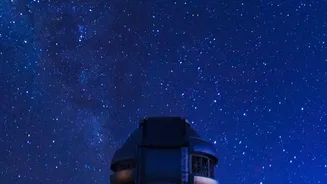
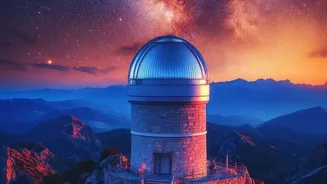
Perched atop a mountain in Chile, the Vera C. Rubin Observatory is embarking on a decade-long mission called the Legacy Survey of Space and Time (LSST). Its goal is ambitious: to create the most comprehensive movie of the universe ever made. Unlike telescopes
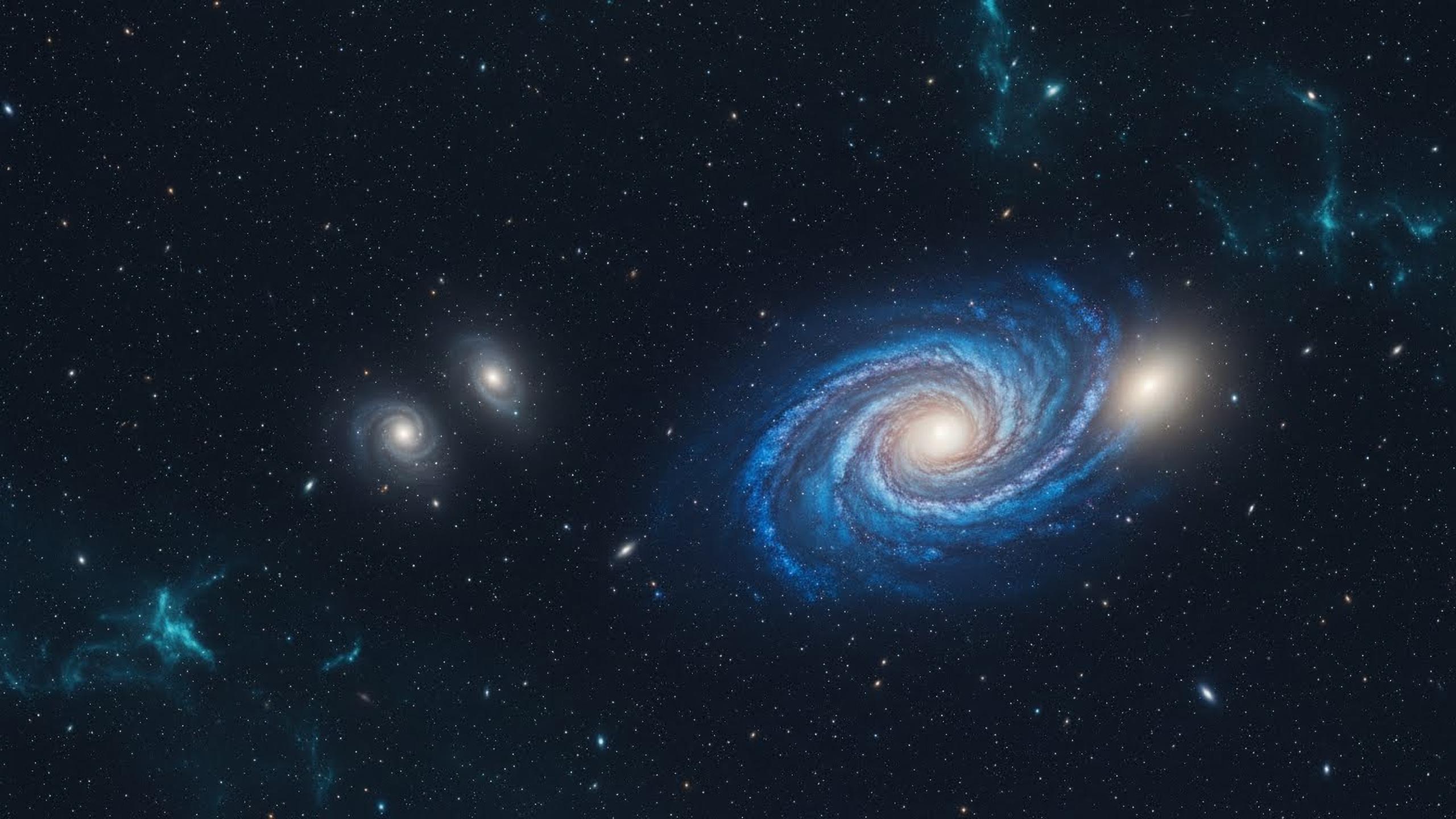
that stare at one small patch of sky for a long time, Rubin is designed for breadth and speed. Its massive mirror and wide-field view allow it to scan the entire southern sky every few nights. This unique capability is what enabled it to capture this staggering image, a glimpse into a well-studied patch of sky known as the COSMOS field, which offers a relatively clear view of the distant universe.
The Engine: A 3,200-Megapixel Camera
The heart of the observatory is the LSST Camera, the largest digital camera ever constructed for astronomy. About the size of a small car and weighing around 3,000 kilograms, this technological marvel boasts a 3.2-gigapixel sensor. To display one of its full-resolution images would require hundreds of ultra-high-definition screens. This immense power allows it to capture faint, distant objects with incredible detail across a huge section of the sky. The camera was assembled at SLAC National Accelerator Laboratory in California before being painstakingly transported and installed on the Simonyi Survey Telescope in Chile, beginning its mission in the summer of 2026.
A Cosmic Zoo of Galaxy Shapes
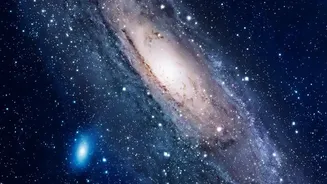
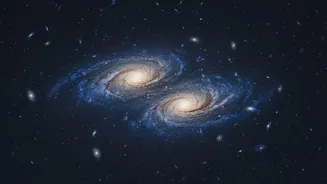
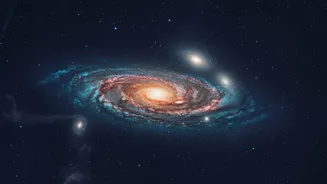
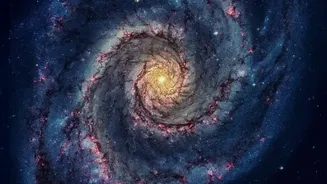
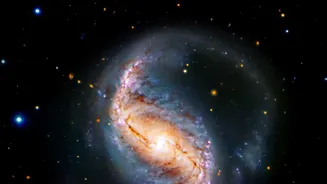
The image is a breathtaking gallery of galactic diversity. You can see majestic spiral galaxies, like our own Milky Way, with their characteristic pinwheel arms where new stars are actively forming. Also visible are massive elliptical galaxies, which are smoother, oval-shaped collections of older stars. These are thought to be the result of galactic mergers. Then there are lenticular galaxies, which have a disk but no spiral arms, and irregular galaxies, which lack any defined shape, often because of gravitational encounters with their neighbors. Seeing so many types together in one deep image is like having a complete laboratory for studying galaxy evolution.
Why Seeing Every Shape Matters
A galaxy's shape, or morphology, tells a story about its history and life cycle. By studying a massive, unbiased sample of galaxies like the one in Rubin's image, astronomers can test theories about how galaxies form and evolve. For example, the prevailing model suggests that spiral galaxies form first and can later merge to become larger elliptical galaxies. By cataloging the shapes, sizes, and distances of hundreds of thousands of galaxies, scientists can piece together this evolutionary sequence. This data is also crucial for mapping the distribution of dark matter, which doesn't emit light but whose gravity shapes the galaxies we see.
Just a Glimpse of a Cosmic Movie
As incredible as this half-million-galaxy image is, it's just the beginning. The LSST will repeatedly visit this same patch of sky throughout its ten-year survey. This will allow astronomers to create a time-lapse video, revealing changes in the cosmos. They will be able to spot transient events like exploding stars (supernovae) and track the movement of asteroids. The constant stream of data—millions of alerts every night—will give the entire scientific community a heads-up on where to point their own telescopes to witness cosmic events as they unfold. This single image is a static portrait, but Rubin's ultimate product will be a dynamic view of a living, changing universe.