

The Tale of Two Cinnamons
Most of what is sold globally as cinnamon comes from two different trees: Ceylon and Cassia. Ceylon cinnamon (Cinnamomum verum), often called “true cinnamon,” comes primarily from Sri Lanka and Southern India. It is prized for its delicate, sweet flavour
and complex aroma. Cassia cinnamon, which includes several species like Cinnamomum cassia, is more common and less expensive. It is cultivated widely in China, Vietnam, and Indonesia and has a stronger, spicier, and more pungent flavour. While Cassia isn't 'fake' cinnamon, its widespread availability and lower cost mean it often dominates the market, frequently without being clearly labelled. If a package simply says “cinnamon,” it is very likely Cassia.
Why Powder Hides the Truth
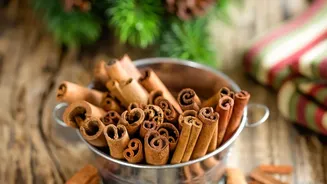
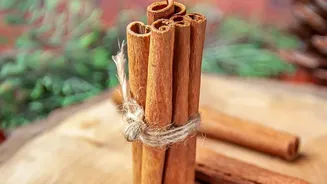
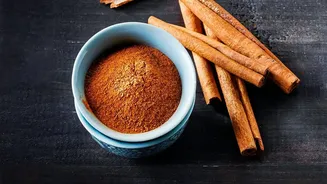
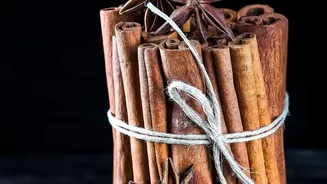
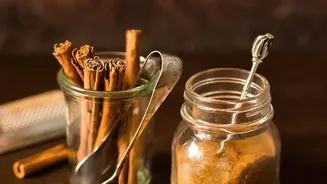
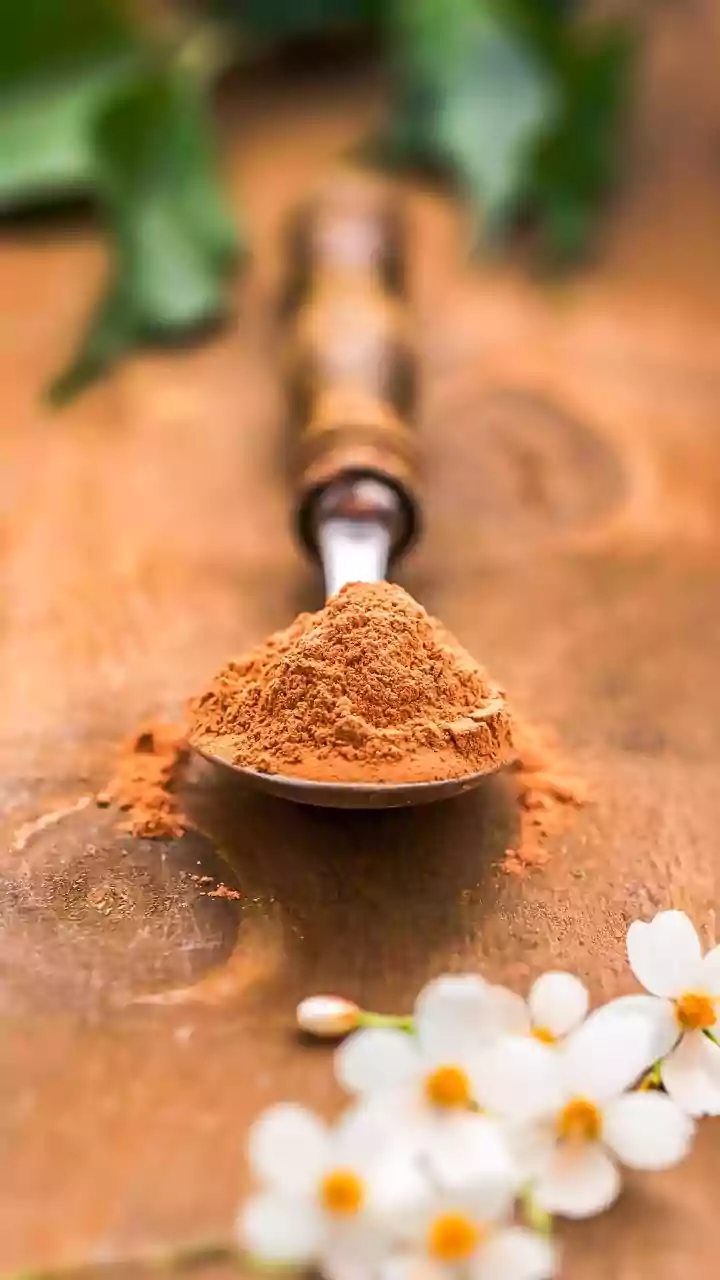
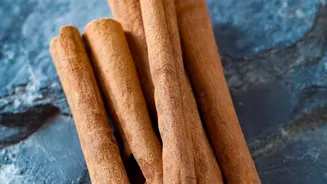
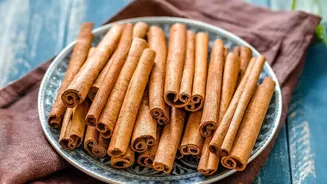
The primary reason powdered cinnamon is harder to verify is that the grinding process destroys all the visual cues that distinguish the two types. In their whole form, known as quills, the difference is clear. Ceylon cinnamon quills are made of many thin, fragile layers of bark rolled together, resembling a tightly packed cigar. They are light tan-brown and so brittle they can be easily crushed between your fingers. Cassia quills, in contrast, are made from a single, thick layer of bark that is hard and woody. They are darker reddish-brown and curl inward from both sides to form a hollow tube. Once these distinct barks are pulverised into a fine powder, it becomes nearly impossible for a consumer to tell them apart by sight alone, making powdered cinnamon highly susceptible to adulteration.
The Health Concern: Coumarin
Beyond flavour, there is a significant health-related reason to know your cinnamon. Cassia is a rich source of a compound called coumarin. While safe in small amounts, high or prolonged intake of coumarin has been linked to potential liver damage in sensitive individuals. Cassia can contain up to 1% coumarin, whereas Ceylon cinnamon contains only trace amounts, sometimes as low as 0.004%. The Food Safety and Standards Authority of India (FSSAI) has acknowledged this difference, setting a maximum permissible limit for coumarin in products labelled as cinnamon to help distinguish it from cassia. For those who consume cinnamon regularly, especially for its health benefits, choosing the low-coumarin Ceylon variety is a safer option.
A Smart Shopper's Guide to Cinnamon
To ensure you are getting what you pay for, the best strategy is to buy whole cinnamon quills. Visually inspect them for the tell-tale signs: look for the multi-layered, cigar-like appearance of Ceylon, which will be lighter in colour and more fragile. Cassia will be a single, thick, dark, and hard piece of bark. Buying quills and grinding them at home in a spice grinder just before use also provides a far superior aroma and flavour, as the essential oils degrade quickly once ground. If you must buy powder, purchase it from highly reputable brands that specify the type of cinnamon on the label. Look for the botanical names “Cinnamomum verum” or “Cinnamomum zeylanicum” to be sure you are getting true Ceylon cinnamon. FSSAI regulations also prohibit the sale of powdered spices in loose form, so always opt for properly sealed and labelled packages.