

Choose the Right Basket Material
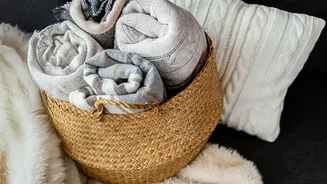
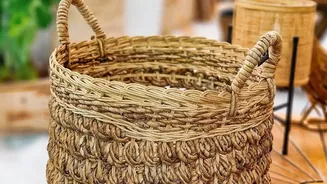
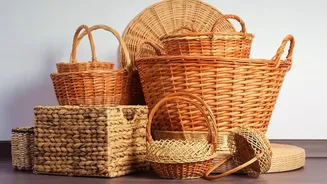
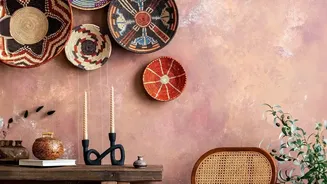
The first step is selecting a basket that complements your decor style. Materials like seagrass, jute, rattan, and water hyacinth are popular choices, each offering a distinct feel. Seagrass and jute baskets lend a soft, minimalist, or bohemian vibe with
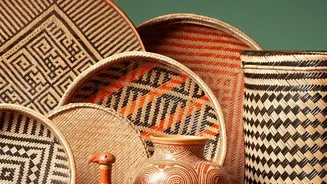
their natural, earthy tones. They are often flexible and can come in popular 'belly basket' shapes. Rattan is sturdier and more structured, making it a great fit for modern or rustic settings due to its durability. Consider the weave and colour; a tightly woven, neutral-coloured basket can blend seamlessly, while a basket with colourful patterns or a looser weave can act as a statement piece.
Master the Art of Proportions
The relationship between the size of your plant and your basket is crucial for a balanced look. A large floor plant, like a Fiddle-leaf Fig or a Monstera, needs a substantial basket to ground it in the space. Don’t be afraid to go big; a basket that’s slightly wider and taller than the plant's nursery pot often looks best. For smaller plants on shelves, desks, or windowsills, choose smaller baskets that don't overwhelm them. You can create visual interest by grouping baskets of varying sizes together, creating a layered, dynamic display. A mix of tall, narrow baskets and shorter, wider ones can add a lot of character.
Prioritise Drainage and Protection
This is the most important practical tip: never plant directly into a woven basket. Natural fibres will rot and grow mould when exposed to constant moisture and soil. Always keep your plant in its original plastic nursery pot. To protect your basket and floors, place a plastic liner or a simple saucer inside the basket to catch any excess water. It’s best to take the plant out of the basket for watering, let it drain completely in a sink or bathtub, and then place it back inside. Some experts also recommend spraying the basket itself with a waterproofing sealant for an extra layer of protection against humidity.
Create Perfect Plant and Basket Pairings
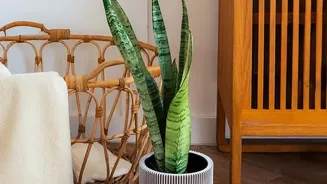
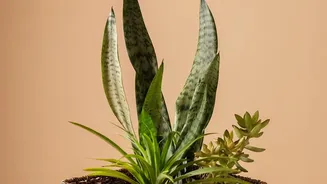
Certain plants just look better in baskets. Trailing plants like Pothos or Philodendrons are fantastic because their cascading leaves soften the basket's edge. Tall, upright plants such as the Snake Plant or ZZ Plant create a pleasing contrast with the rounded shape of many baskets. Think about texture as well. The intricate pattern of a woven basket beautifully complements the smooth, broad leaves of a Fiddle-leaf Fig or the feathery fronds of a fern. The goal is to create harmony between the natural texture of the basket and the organic form of the plant.
Style with Stands and Groupings
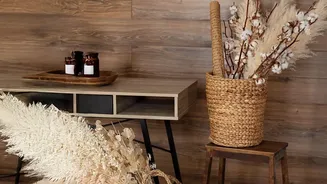
Don't just place your baskets on the floor. Using a short wooden or metal stand to elevate a basket can instantly make it look more intentional and stylish, adding height and character to a room corner. This is especially effective for medium-sized plants that might otherwise get lost on the floor. You can also create beautiful vignettes by grouping three baskets of different sizes together. This works well in entryways, living room corners, or on either side of a console table. By mixing heights and textures, you turn a simple collection of plants into a curated decorative feature.
Match Baskets to Your Room's Function
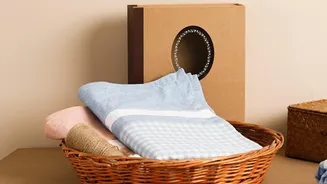
Different rooms can benefit from different basket styles. In a living room, a large, sturdy basket can anchor a reading corner. In a bedroom, a soft-textured basket made from cotton rope or jute can add to the cosy, tranquil atmosphere. You can even use baskets in a well-ventilated bathroom to create a spa-like feel, as long as you are diligent about preventing moisture damage by using a good liner and ensuring airflow. A small woven basket on a home office desk can bring a calming touch of nature to your workspace, boosting creativity.