




Why Speed Is Your Skillet’s Best Friend
The single most important factor in preventing rust on cast iron is time. Iron, when exposed to moisture and oxygen, oxidizes—or rusts. This process begins the moment water touches the pan's surface. Leaving a skillet to soak in the sink is a guaranteed
recipe for orange spots. The goal is to minimize the duration of this exposure. This means cleaning your pan as soon as it's cool enough to handle. By acting fast, you interrupt the chemical reaction before it has a chance to take hold, preserving both the look and the integrity of your cookware. Think of it not as a chore, but as the final step of your cooking process.
The Great Soap Debate: A Modern Take
For generations, the cardinal sin of cast-iron care was letting soap touch its surface. This rule, however, is a holdover from a time when soaps contained harsh ingredients like lye, which could strip away the pan's hard-earned seasoning. Today’s mild dish soaps are a different story. They are gentle enough to clean away grease and food residue without damaging the polymerized oil layer that makes your pan non-stick. While you don't need to use soap every time—often a good scrub with hot water and a brush is sufficient—it is perfectly fine to use a small amount for greasy messes or when cooking something with a strong flavor, like fish. The key is to rinse it thoroughly and, most importantly, move immediately to the next step.
The Critical Drying Step: Banish Every Drop
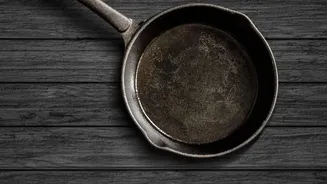
Simply wiping your pan with a towel is not enough. While a good toweling removes most visible water, the porous surface of cast iron can still hold onto microscopic moisture, which is all rust needs to form. This is where a second drying step becomes essential. After towel-drying, place your skillet on the stovetop over a low flame for a few minutes. You'll know it's completely dry when any lingering dark, wet patches disappear and the pan takes on a uniform, matte black appearance. This heat-drying method evaporates every last bit of moisture, effectively shutting the door on rust. It's a non-negotiable step for long-term care.
Lock It In: The Final Oil-Down
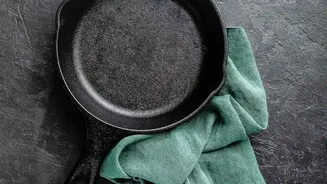
With the pan clean and bone-dry, the final step is to apply a very thin layer of cooking oil. This is often called a maintenance season. While the pan is still warm from the stovetop, add a few drops of a neutral oil (like canola, vegetable, or grapeseed oil) and use a paper towel to wipe it over the entire cooking surface. Then, take a clean paper towel and wipe out any excess until the pan looks almost dry. This thin coat of oil acts as a barrier against ambient humidity during storage and helps to continually build up your pan's seasoning, the polymerized, non-stick surface that makes cast iron so wonderful to cook with.
What to Do If Rust Appears
Even with the best care, a spot of rust can happen. Don't panic—it's easily fixed. For minor surface rust, simply scrub the affected area with steel wool, a stiff brush, or a specialized rust eraser until the orange is gone. You can also make a paste with coarse salt or baking soda and a little water for gentle abrasion. Once you've scrubbed the rust away, wash the pan with warm, soapy water, dry it completely on the stove, and then perform a maintenance season by applying a thin layer of oil. For extensive rust, you may need to fully re-season the pan in the oven, but for small spots, this simple targeted treatment is all that's required to get it back in cooking shape.