
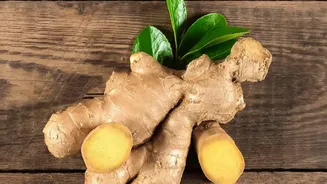


The Potent Compounds in Ginger
Ginger is more than just a kitchen spice; it’s a complex rhizome packed with powerful bioactive compounds. The most notable are gingerols, shogaols, and zingerone. These components are responsible for ginger's pungent aroma and taste, but they also give
it significant biological properties. For instance, research has shown that these compounds have antifungal and antibacterial qualities. This is the primary reason ginger water is often touted as a natural way to protect plants from certain diseases, like root rot and other fungal infections that can plague gardens. Additionally, the strong scent of these compounds can act as a natural repellent, deterring pests like aphids, nematodes, and even caterpillars.
A Friend to Many Plants
When used correctly, a diluted ginger mixture can be a plant's best friend. The antimicrobial properties help create a healthier soil environment, fighting off harmful pathogens that attack sensitive roots. Some studies suggest that ginger can also stimulate root growth and improve a plant's ability to absorb nutrients from the soil. It contains essential minerals like potassium and magnesium, which are vital for strengthening a plant's cell walls and overall structure. This can lead to more robust growth, greener leaves, and increased resistance to environmental stress. Many gardeners report success using a well-diluted ginger spray on hardy herbs, vegetables, and established outdoor plants to ward off common pests and fungal issues.
When Good Ginger Goes Bad
Despite its benefits, ginger is not a one-size-fits-all solution. The same potent compounds that fight pests can be too harsh for certain plants, a phenomenon known as phytotoxicity. A mixture that is too concentrated can effectively 'burn' the delicate leaves of some species or damage their sensitive root systems. Seedlings, young plants, and species with thin, delicate foliage (like ferns or some orchids) are particularly vulnerable. The spicy compounds, such as zingerone, that deter insects can overwhelm a plant's cellular structure if the concentration is too high, leading to wilting, discoloration, or stunted growth. In these cases, the 'remedy' ends up being more harmful than the problem it was meant to solve.
Not All Plants Are Created Equal
The core of the issue lies in plant biology. Different species have evolved with different needs and tolerances. A hardy rose bush with thick, waxy leaves can easily handle a foliar spray that might scorch a delicate African violet. Succulents, which are adapted to arid conditions, may have a very different reaction to a soil drench compared to a water-loving tropical plant. The structure of a plant's roots, the thickness of its leaf cuticles, and its innate defense mechanisms all play a role in how it responds to external treatments. Some plants may be sensitive to changes in soil pH, which a ginger mixture could potentially alter, while others are more resilient.
Concentration and Application Are Key
How you prepare and apply the ginger mixture is just as important as the plant you're treating. Most successful recipes call for a well-diluted solution, often made by simmering fresh ginger in water and then cooling and straining it. Using dried ginger powder can also work, but its potency may differ. Applying it as a light foliar spray in the early morning or evening is generally safer than drenching the soil, especially for potted plants where concentration can build up. The general recommendation is to apply it no more than once every two weeks. Over-application is one of the most common reasons for negative effects, as even beneficial compounds can become toxic in high doses.