







From morning chai to festive biryanis, the warm, sweet aroma of cinnamon is a staple in Indian kitchens. While celebrated for its flavour and wellness properties, the key to unlocking its best benefits lies not in quantity, but in moderation.
The Allure of a Beloved Spice
Cinnamon
is more than just a spice; it’s a feeling of comfort and tradition. Used for centuries in everything from culinary dishes to Ayurvedic practices, its distinctive sweet and woody flavour makes it instantly recognizable. We sprinkle it on our morning oatmeal, stir it into coffee, and let it perfume our most beloved curries and desserts. Beyond its taste, cinnamon has gained a reputation as a wellness powerhouse, with studies exploring its antioxidant and anti-inflammatory properties, as well as its potential role in supporting blood sugar balance. This has led many to believe that if a little is good, then more must be better. However, when it comes to this potent spice, that logic can be misleading and even risky.
A Tale of Two Cinnamons
The most important thing to understand is that not all cinnamon is created equal. What you typically find in supermarkets is Cassia cinnamon, which is dark, robust, and spicy. It’s inexpensive and accounts for most of the world's consumption. Then there is Ceylon cinnamon, often called “true cinnamon,” which is lighter in colour, with a milder, more delicate and floral flavour. This distinction is not just a matter of taste; it’s critical for safety. The key difference lies in a natural compound called coumarin. While both types contain it, the levels are dramatically different. Cassia cinnamon is very high in coumarin, whereas Ceylon cinnamon contains only trace, often undetectable, amounts.
Understanding the Coumarin Risk
Coumarin is a naturally occurring compound that, in high doses, can be harmful to the liver. European health authorities have set a tolerable daily intake (TDI) for coumarin at 0.1 mg per kilogram of body weight. A single teaspoon of common Cassia cinnamon powder can contain enough coumarin to exceed this daily limit for an average adult. For those who consume cinnamon daily for health reasons—such as for blood sugar management—using the Cassia variety can lead to a significant accumulation of coumarin over time, potentially causing liver stress or damage in sensitive individuals. This is why experts often recommend opting for Ceylon cinnamon if you plan on using it regularly or in therapeutic amounts.
Finding the Sweet Spot
The good news is that you don’t need much cinnamon to enjoy its benefits. For flavour, a small pinch or a single stick is often enough to infuse a dish or drink with its characteristic warmth. For general wellness purposes, a daily intake of about half to one teaspoon (around 1 to 2 grams) is a commonly recommended range that is considered safe, especially if you're using Ceylon cinnamon. Studies exploring cinnamon's health effects have often used doses from 1 to 6 grams per day, but even at the lower end of this range, consistent use of Cassia can push you over the safe coumarin limit. Therefore, for occasional culinary use, the common Cassia variety is perfectly fine. For daily consumption, making the switch to low-coumarin Ceylon cinnamon is the smarter, safer choice.
Enjoying Cinnamon Wisely
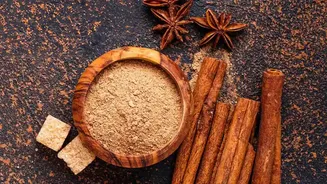
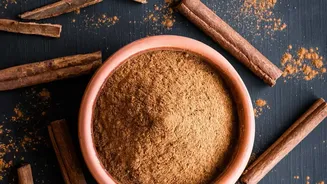
Incorporating cinnamon into your diet safely is easy once you know what to look for. When buying, check the label for “Ceylon” or “Cinnamomum verum” if you want the low-coumarin variety. If it just says “cinnamon,” it is almost certainly Cassia. You can also tell the difference with cinnamon sticks: Cassia sticks are thick, hard, and hollow, while Ceylon sticks are made of many thin, fragile layers rolled together. Enjoy a sprinkle on your fruit, yogurt, or coffee. Use a stick to slowly infuse flavour into teas, soups, or stews. The goal is to let its flavour complement your food, not overpower it. By being mindful of the type and amount, you can continue to enjoy this ancient spice for its wonderful taste and aroma without any worry.