






The Study's Striking Findings
A recent study published in The Journal of Allergy and Clinical Immunology: In Practice delivered some remarkable results. Researchers in Cleveland, Ohio, provided 85 people who had poorly controlled asthma with new electric induction stoves to replace
their existing gas ones. The impact was significant. On average, participants saw their asthma symptoms improve from moderate to mild. The improvements were so substantial that they were described as similar to or even greater than those seen in clinical trials for common asthma medications. Specifically, the study found a 70% decrease in emergency room visits and hospitalizations for asthma, and an 80% drop in missed days of work or school due to the condition.
The Science: Unmasking the Pollutants
So, what's happening when you turn on a gas burner? The blue flame is a combustion process that releases several byproducts into your kitchen air. The main culprit is nitrogen dioxide (NO2), a pollutant known to irritate the lungs and airways. For the general population, this might not be noticeable, but for the 28 million Americans with asthma, this exposure can trigger attacks or worsen daily symptoms. In the Cleveland study, researchers measured the air quality in participants' homes before and after the switch. They found that indoor nitrogen dioxide levels plunged by a staggering 70% after the electric stoves were installed, providing a clear link between the cleaner air and the improved health outcomes.
More Than Just One Study
While this latest intervention study is groundbreaking for showing a direct health improvement, it builds on a growing body of research about the risks of gas cooking. Multiple studies over the last decade have connected gas stove emissions with respiratory issues. One analysis attributed nearly 13% of all current childhood asthma cases in the United States to the use of gas stoves, a figure comparable to the risk from secondhand smoke. This isn't just about cooking; it's about the overall air quality inside our homes, where pollutants can become trapped and concentrated, unlike the outdoors. Health organizations have taken note, with some medical guidelines already suggesting that asthma patients should avoid unvented gas appliances.
Practical Steps for Cleaner Air at Home
The idea of replacing a major appliance can be daunting. While the study suggests that switching to an electric or induction stove is the most effective solution, it's not the only step you can take to improve your kitchen's air quality. The most crucial habit to adopt is using your ventilation. Every time you cook on a gas stove—even just for a few minutes—turn on your range hood, ensuring it vents to the outside rather than just recirculating the air. If you don't have an effective range hood, opening a window can also help disperse the pollutants. Additionally, portable air purifiers equipped with HEPA filters can capture some of the harmful particles released during cooking. These measures can help reduce your exposure, even if a full stove replacement isn't immediately possible.
The Future of Cooking
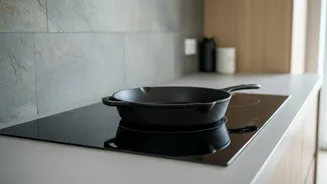
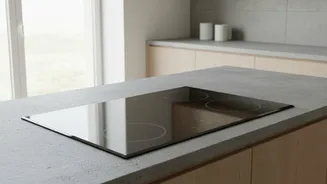
The conversation around gas stoves is part of a larger shift towards creating healthier and more energy-efficient homes. The Cleveland study not only highlighted the health benefits of going electric but also the user experience. An overwhelming 98% of participants reported being satisfied or very satisfied with their new induction stoves, which heat up and cool down rapidly and are easier to clean. As this research continues to highlight the significant health co-benefits of moving away from gas combustion inside our homes, it provides a compelling reason for families, especially those managing respiratory conditions, to consider what they're cooking with, not just what they're cooking.