




Sweet Potato (Shakarkandi)
Often celebrated for its natural sweetness, the sweet potato is far more versatile than just a chaat ingredient. Its creamy texture and sweet flavour profile provide a wonderful contrast in savoury dishes. Rich in fibre and Vitamin A, it’s a nutritious
alternative to the regular potato. For a simple upgrade, cube them and toss with spices like cumin, coriander, and a pinch of chilli powder before roasting until caramelised and tender. This makes for a fantastic side dish. You can also incorporate them into your regular curries; their mild sweetness balances the heat of the spices beautifully, creating a complex and satisfying gravy. They add a delightful flavour and body when stir-fried with mustard seeds, curry leaves, and turmeric.
Beetroot (Chukandar)
Known for its vibrant colour, beetroot offers a deep, earthy sweetness that can be truly transformative in the kitchen. While many are familiar with it in salads or juices, its potential in cooked dishes is often overlooked. Roasting beetroots brings out their inherent sweetness and softens their earthy notes. For a surprising twist, try making a beetroot soup or adding grated beetroot to your regular dal for a splash of colour and a subtle, sweet undertone. The key to balancing its strong flavour is often pairing it with something sharp or zesty. A squeeze of lemon or a bit of ginger can cut through the earthiness, making it more palatable for those who are hesitant. It also works wonderfully in savoury preparations with other vegetables.
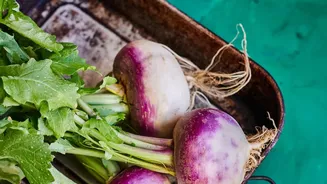
Turnip (Shalgam)
The humble turnip, or shalgam, carries a unique flavour that is slightly peppery and sharp when raw but becomes sweet, mild, and nutty once cooked. This transformation makes it an excellent candidate for a variety of Indian dishes. A classic North Indian preparation is shalgam ki sabzi, where the turnips are cooked with onions, tomatoes, and spices into a flavourful curry. The turnips absorb the flavours of the masala while contributing their own subtle sweetness. They can also be added to lamb or chicken curries, where their texture holds up well and they absorb the richness of the gravy. For a different approach, try mashing cooked turnips with a bit of butter and black pepper for a simple, earthy side dish that pairs well with grilled meats or rotis.
Taro Root (Arbi)
Taro root, known as arbi in India, has a starchy texture and a nutty, slightly sweet flavour similar to a potato but more complex. A common issue when preparing arbi is its sliminess, but this can be managed by either boiling or frying it before adding it to a curry. A popular way to enjoy it is as a dry stir-fry (sukhi arbi). After boiling and peeling, the arbi is pan-fried with spices like ajwain (carom seeds), amchur (dry mango powder), and turmeric, which creates a crispy exterior and a soft interior. The ajwain, in particular, complements the flavour of arbi perfectly and is also said to aid digestion. You can also make a delicious gravy-based curry by adding the fried taro to an onion-tomato masala.
Elephant Foot Yam (Jimikand or Suran)
Jimikand, or suran, is a dense, starchy tuber with a unique, earthy flavour that some say is reminiscent of meat, making it a hearty vegetarian option. It's essential to cook it properly, as raw yam can cause throat irritation. This is typically avoided by boiling or frying the yam before adding it to dishes. It's a staple in many households, especially during festivals like Diwali in North India. You can make a delicious jimikand ki sabzi by first frying cubes of the yam until golden brown and then simmering them in a spicy onion-tomato gravy. The yam absorbs the spices beautifully, resulting in a rich and flavourful dish that pairs exceptionally well with roti or rice. Its firm texture ensures it doesn't turn mushy, providing a satisfying bite.