





Sunlight: The Ultimate Factor for Success
Before you worry about soil, pots, or watering schedules, the single most important factor for success is sunlight. Plants create their food through photosynthesis, a process powered by light. Some plants, like desert succulents or vibrant flowering vines,
are adapted to soak up intense, direct sun for many hours a day. Others, like leafy ferns and many indoor favourites, have delicate foliage that will scorch and wither under the same conditions. When a plant gets the wrong amount of light, it becomes stressed, making it weaker and more susceptible to pests and diseases. Matching a plant to its preferred light condition is the foundational step that makes every other aspect of gardening easier.
How to 'Read' Your Balcony's Light
Becoming a sun expert is simpler than it sounds. You don't need special tools, just a day of observation. Note when direct sunlight first hits your balcony and when it leaves. Pay attention to which spots get light and for how long. Use these general categories: Full Sun: The area receives 6 or more hours of direct, intense sunlight. South and west-facing balconies often fall into this category. Partial Shade/Sun: The spot gets between 4 to 6 hours of sun, often gentle morning sun (east-facing) or dappled light. * Full Shade/Low Light: The area receives less than 4 hours of direct sun, or only bright, indirect light. This is common for north-facing balconies or those heavily shaded by other buildings. Do this on a clear day to get an accurate reading. This 'sun map' will be your guide for everything you choose to grow.
For Sun-Drenched Balconies (6+ Hours)
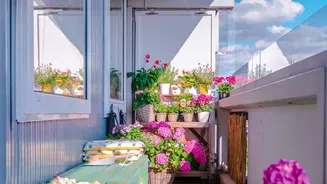
If your balcony is a sun trap, embrace the heat-lovers. These plants thrive in bright, direct light and will reward you with vibrant colours and prolific growth. Bougainvillea is a classic choice, known for its colourful bracts and relative hardiness once established. Hibiscus is another favourite, producing large, stunning flowers that bring a tropical feel. For easy, cheerful colour, Marigolds (Genda) are a fantastic option that flourish in full sun. Edibles like tomatoes, chillies, and curry leaves also do exceptionally well with plenty of sunlight, making your balcony both beautiful and productive.
Perfect Picks for Partial Shade (4-6 Hours)
Balconies that get a mix of sun and shade are incredibly versatile. They are perfect for plants that enjoy bright light but can be stressed by intense, continuous afternoon heat. Begonias are an excellent choice, offering a huge variety of leaf shapes and colourful flowers that do well in partial shade. Jasmine varieties like Mogra can thrive here, filling your evenings with their sweet fragrance. Petunias, with their wide array of colours, are also well-suited for spots with at least six hours of light. Many herbs and leafy greens like spinach and mint also prefer these conditions, as the afternoon shade can prevent them from drying out too quickly.
Thriving in Low Light (Under 4 Hours)
A shaded balcony doesn't mean a barren one; you just need to choose plants that are adapted to lower light. The indestructible Snake Plant is a top choice, with its architectural, upright leaves. It's incredibly resilient and tolerates irregular watering. Money Plant (Pothos) is another go-to for shaded spaces, perfect for hanging baskets where its trailing vines can create a lush, cascading effect. For a touch of elegance, the Peace Lily offers glossy green leaves and distinctive white blooms, all while thriving in indirect light. Many ferns also do wonderfully in the cool, moist conditions of a shaded balcony.