


A Worsening Global Crisis
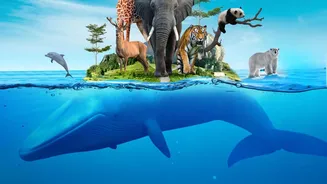
A stark new interim report updating the landmark ‘State of the World's Migratory Species’ has revealed a worsening crisis. Released in connection with the UN's Convention on the Conservation of Migratory Species of Wild Animals (CMS), the review paints
a grim picture. It found that nearly half (49%) of all migratory species listed for protection are experiencing population declines, a significant increase from 44% just two years prior. The number of species facing the risk of extinction has also risen alarmingly. The report underscores a difficult truth: despite ongoing efforts, the pressures on these species are intensifying, and our current strategies are not keeping pace. The primary drivers of this decline remain relentless: habitat loss, overexploitation, pollution, and the ever-growing impacts of climate change.
The Perilous Journey
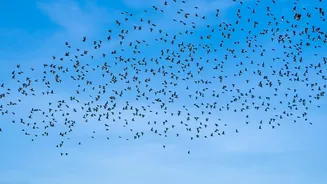
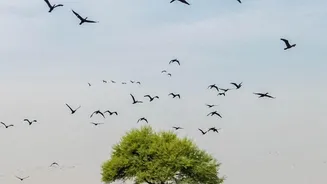
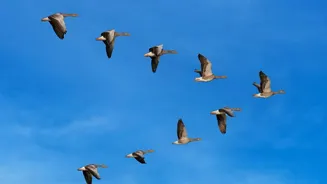
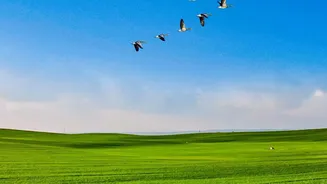
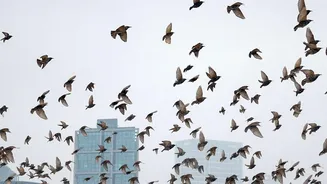
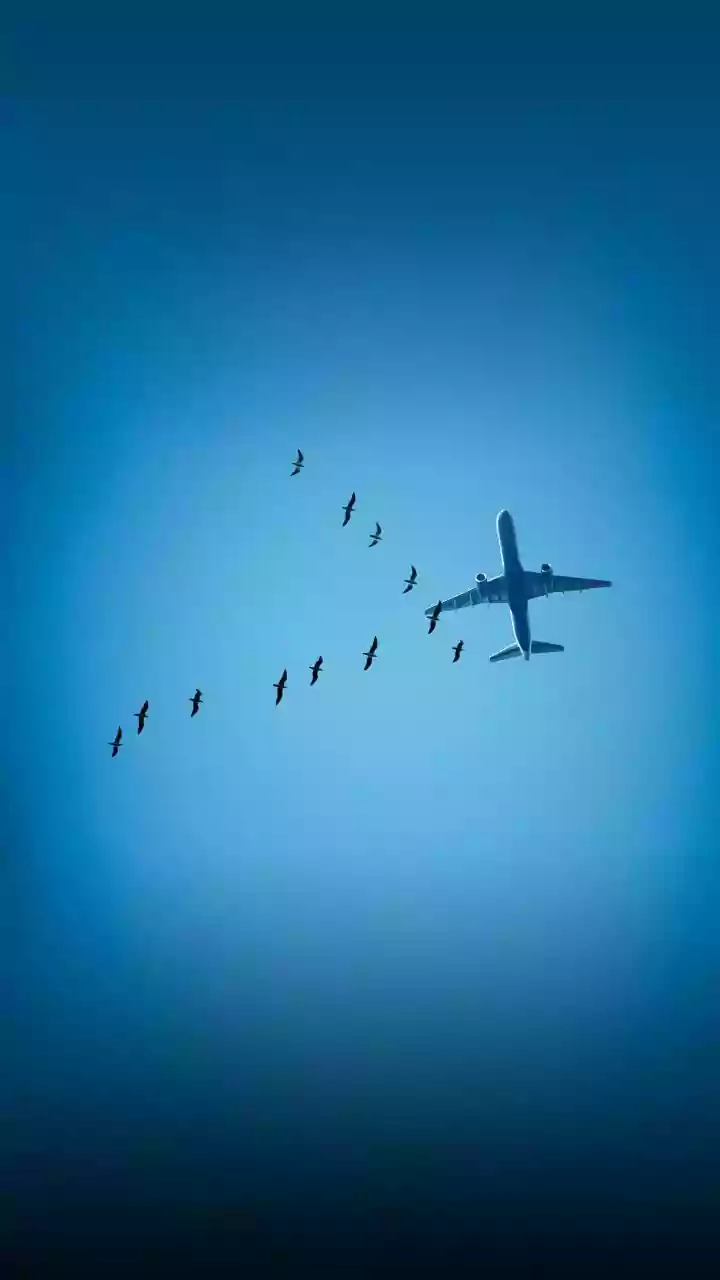
For a migratory bird, the entire world is a series of vital stopovers. Their journey is a delicate chain of interconnected habitats, and a break in any one link can spell disaster. The key threats identified are happening across their entire flyways. Wetlands and grasslands that serve as crucial refuelling stations are being drained and converted for agriculture and urban expansion. Pollution, from pesticides to plastic, contaminates their food sources. Man-made structures like power lines and wind turbines pose a direct collision threat. Climate change adds another layer of chaos, disrupting the timing of seasons and the availability of food sources like insects, which are vital for their energy-intensive journeys. This makes their already arduous travels even more treacherous.
India at the Heart of the Flyway
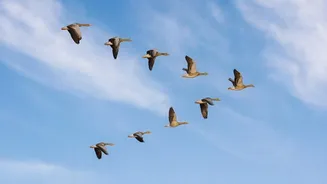
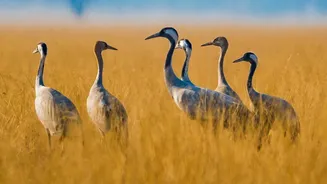
India holds a position of immense responsibility in this global crisis. The country sits at the heart of the Central Asian Flyway (CAF), a superhighway for migratory birds that stretches from the Arctic to the Indian Ocean, covering 30 countries. Every year, millions of birds, including iconic species like the Amur falcon and the bar-headed goose, depend on India's wetlands, forests, and grasslands for wintering and as critical stopover sites. Over 600 species of birds use this flyway, but the populations of more than 240 of them are in decline. Recognizing its crucial role, India has been a vocal proponent of greater cooperation, spearheading the CAF initiative to secure these routes through coordinated international action.
Why Their Flight Matters to Us
The decline of migratory birds is more than just an ecological tragedy; it is an alarm bell for the health of our own environment. These birds are vital indicator species—their presence and health reflect the state of the ecosystems we all depend on. They provide essential, and free, ecosystem services. They are nature's pest controllers, consuming millions of tons of insects annually, which is crucial for agricultural health. They are also pollinators and seed dispersers, helping to regenerate forests and maintain plant biodiversity. Their journeys connect habitats, cultures, and continents, reminding us that the natural world knows no borders. When their populations falter, it is a sign that the delicate web of life that sustains us all is fraying.
A Call for Unified Action
The report's key takeaway is that isolated conservation efforts are not enough. Protecting a species in one country is futile if its habitat is destroyed a thousand kilometres away along its migration route. "Faster coordinated action" means that the 30 countries along the Central Asian Flyway, and others globally, must work in unison. This involves sharing data, jointly identifying and protecting critical stopover sites, harmonizing laws to prevent illegal hunting, and making infrastructure like power lines bird-safe. International frameworks like the CMS provide the platform for this collaboration, but they require political will and active participation from all member nations to be effective. The survival of these global travellers depends not on what one nation can do, but on what all nations will do together.