



A True Vitamin C Powerhouse
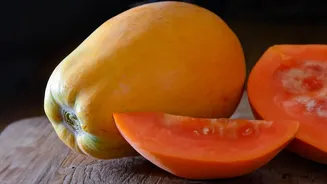
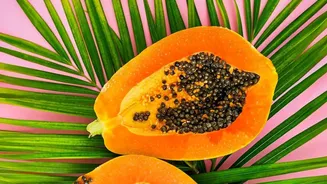
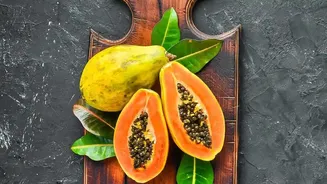
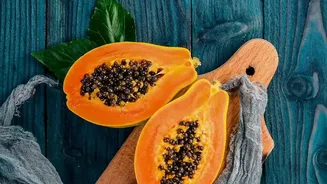
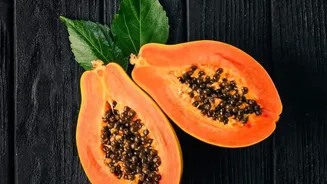
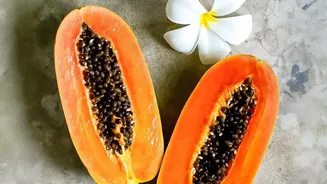
Let's be clear: the health halo around papaya isn't entirely undeserved. The fruit is a legitimate powerhouse of Vitamin C. A single, medium-sized papaya can provide more than 200% of the daily recommended intake of this crucial vitamin. In fact, gram
for gram, papaya often contains more Vitamin C than the famously touted orange. This vitamin is essential for the proper functioning of our immune system, as it's thought to increase the production of white blood cells which are key to fighting infections. Vitamin C also acts as a potent antioxidant, helping to protect our cells from damage. So, the claim that papaya is rich in Vitamin C and supports immune health is absolutely true.
The Myth of the Single-Food Solution
Here's where the nuance comes in. While Vitamin C is vital, no single food or nutrient can act as a magic bullet for immunity. The immune system is incredibly complex, a vast network of cells, tissues, and organs that work in concert. Thinking that you can simply 'boost' it by eating a lot of one particular fruit is a common misconception. Health is not about finding a single loophole or silver bullet. A body that is otherwise stressed, sleep-deprived, or malnourished cannot be fixed with a daily slice of papaya, no matter how much Vitamin C it contains. Relying on one food ignores the bigger picture of what our immune system truly needs to function optimally.
Immunity Is a Team Sport
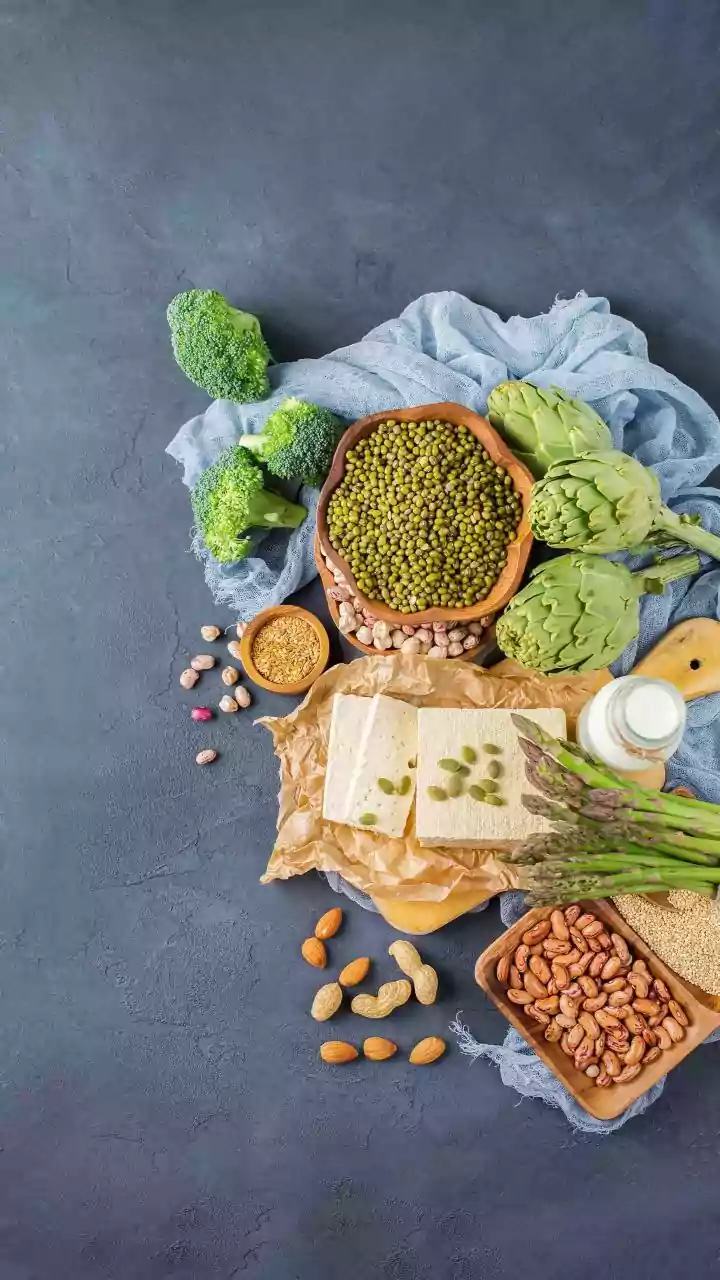
A resilient immune system relies on a wide array of nutrients working together, not just one star player. While Vitamin C gets a lot of attention, it needs a strong supporting cast. This includes Vitamin A, which papaya also contains, and is crucial for a functional immune system. Other key players include Vitamin D, Vitamin E, zinc, selenium, and iron. For example, zinc helps in the production of new immune cells, while Vitamin E is another powerful antioxidant. These nutrients are found across a spectrum of foods, from leafy greens and nuts to lean meats and whole grains. Building a strong defence requires a varied diet to ensure you're covering all your nutritional bases.
Build a Plate for Resilience
Instead of focusing on just papaya, aim to build a colourful and diverse plate. Include other foods known for their immune-supporting properties. Red bell peppers, for instance, have even more Vitamin C than many citrus fruits. Leafy greens like spinach provide Vitamin A and folate. Nuts like almonds are a great source of Vitamin E. Fatty fish such as salmon deliver omega-3 fatty acids, which can help manage inflammation. Spices like garlic, ginger, and turmeric have also been used for centuries for their health properties. By eating a variety of fruits, vegetables, lean proteins, and healthy fats, you provide your body with the full toolkit it needs to maintain its defences.
Look Beyond the Diet
Finally, it's crucial to remember that diet is only one piece of the puzzle. Other lifestyle factors have a profound impact on your immune system's strength. Chronic stress, for example, can suppress immune function. Inadequate sleep is another major culprit; our bodies need 7-9 hours of quality rest for the immune system to properly regulate itself. Regular, moderate exercise can also bolster your defences. Conversely, habits like excessive alcohol consumption and smoking actively weaken your body's ability to fight off illness. A truly holistic approach to immunity considers all these factors, not just what's on your plate.