





The Invisible Assault in Our Air
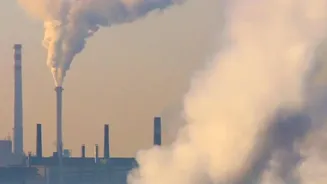
When we talk about smog, we're referring to a complex cocktail of air pollutants. The primary culprits for skin damage are microscopic particles known as particulate matter (PM), especially the tiny PM2.5 particles from vehicle exhaust, industrial emissions,
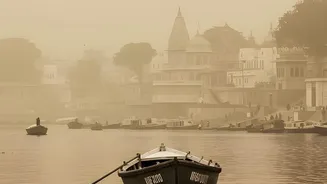
and smoke. These particles are so small—often 30 times smaller than the width of a human hair—that they can settle on the skin and, in some cases, penetrate its outer protective barrier. This constant exposure is not just a city problem; pollutants can travel long distances, affecting air quality in many different environments. The skin, our body's largest organ, serves as the first line of defence against these environmental aggressors, but constant bombardment can weaken its natural resilience.
How Pollution Creates 'Skin Stress'
The main way these pollutants harm the skin is by causing what scientists call 'oxidative stress'. When particles interact with your skin, they generate unstable molecules called free radicals. Under normal conditions, your body has antioxidants (like vitamins C and E) that neutralize these free radicals. However, heavy exposure to pollution can overwhelm the skin's natural defences. This imbalance is oxidative stress. This process can break down collagen and elastin, the essential proteins that keep skin firm and youthful, leading to sagging and wrinkles. It also triggers chronic inflammation, which can weaken the skin barrier, making it more susceptible to damage and dehydration.
The Visible Consequences of Air Quality
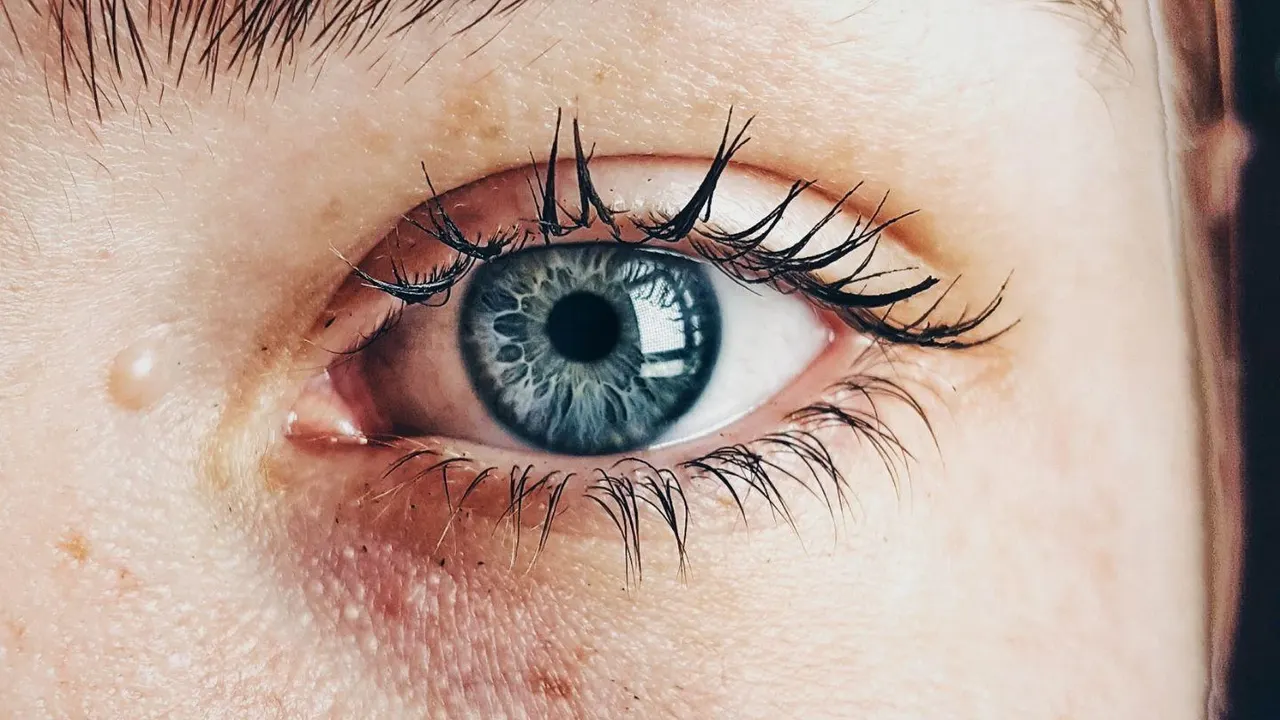
This behind-the-scenes cellular stress soon becomes visible on the skin's surface. Studies have directly linked long-term exposure to traffic-related pollutants with an increase in signs of premature aging. One of the most common effects is hyperpigmentation, or the formation of dark spots and an uneven skin tone. Pollutants can trigger an overproduction of melanin, the pigment in your skin, leading to these spots, particularly on the face. Beyond dark spots, pollution is associated with the formation of wrinkles, especially deeper nasolabial folds (the lines around your mouth). It can also exacerbate existing inflammatory skin conditions like eczema, rosacea, and acne by disrupting the skin's barrier and clogging pores.
Building a Stronger Skin Defence
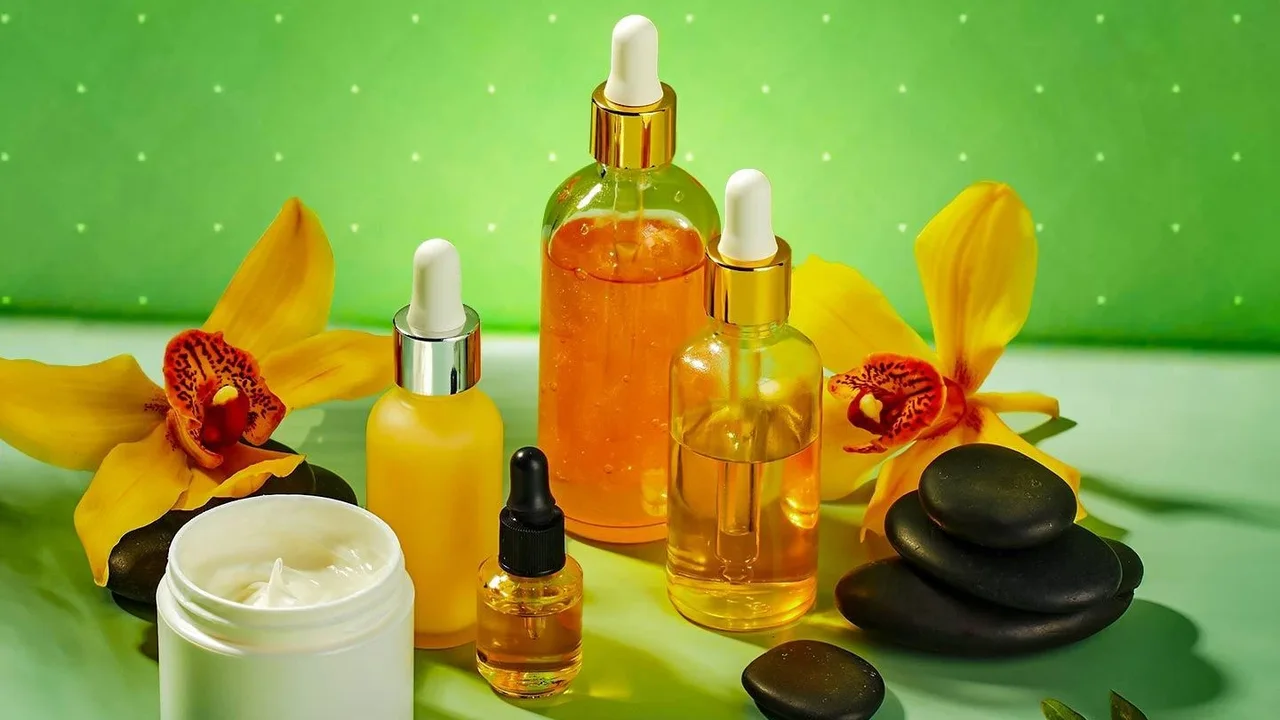
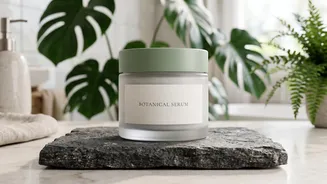
While you can't put a bubble around yourself, you can take effective steps to mitigate the effects of pollution. The first line of defence is a thorough cleansing routine, especially at night, to remove the particles that have accumulated during the day; a double cleanse can be particularly effective. Next, arm your skin with antioxidants. Using a serum containing Vitamin C or E in the morning helps neutralize the free radicals generated by pollution. A good moisturizer is also crucial, as it helps reinforce your skin's natural barrier. Look for ingredients like ceramides, hyaluronic acid, and glycerin that keep the skin hydrated and strong. Finally, broad-spectrum sunscreen is a non-negotiable. It not only protects against UV rays—which can work synergistically with pollutants to increase damage—but also provides a physical shield against particles settling on the skin.