
A New Chapter in Indian Wildlife Tourism
In a significant move for ecotourism, the Ladakh administration has flagged off a dedicated Snow Leopard Safari. Announced on August 5, 2026, and launched in early October, the initiative aims to regulate wildlife tourism, prevent habitat disturbance
from illegal off-roading, and create sustainable livelihoods for local communities. Six specially designed, open-back vehicles were inaugurated during Wildlife Week 2026 to serve the initial routes. This isn't just about tourism; it's a conservation model where local communities become active partners in protecting Ladakh's fragile ecosystem. The project is a collaboration between the Department of Forest, Ecology and Environment and the Snow Leopard and High-Altitude Nature Conservation (SHAN) Society.
Spotlight on Rumbak, Shang, and Uley
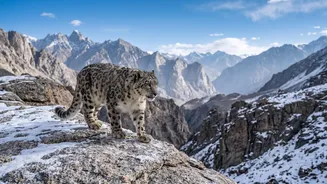
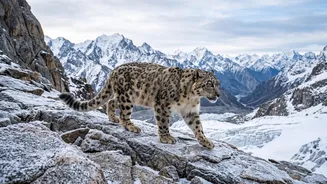
The safari will initially focus on the valleys of Rumbak, Shang, and Uley. These areas, largely within the world-renowned Hemis National Park, are globally recognized as prime snow leopard habitats. For years, experienced trackers and international wildlife enthusiasts have frequented these valleys, known for having one of the highest densities of snow leopards in the world. Rumbak Valley, in particular, has long been a hub for community-based tourism, with homestay programs that directly support conservation. By formalizing these routes, the administration aims to provide a guided, safe, and regulated experience for visitors while ensuring that the economic benefits flow back to the villages that coexist with this magnificent predator.
The Experience: More Than Just a Sighting
While the ultimate prize is a glimpse of a snow leopard, the safari offers a much deeper experience. The journey takes you through the stark, breathtaking beauty of the trans-Himalayan landscape. Participants will be led by trained local guides and drivers, many of whom possess generations of knowledge about the terrain and its wildlife. Beyond the leopard, Ladakh is home to a rich array of fauna, including the bharal (blue sheep), Asiatic ibex, Tibetan wolf, and birds like the golden eagle and lammergeier. The program also includes training for local youth in bird identification and the development of bird-watching hides, broadening the scope of the wildlife experience. The model heavily relies on homestays, offering an authentic cultural immersion into the resilient lives of the Ladakhi people.
Planning Your High-Altitude Expedition
Patience and preparation are key. The best time to spot snow leopards is during the harsh winter months, from November to March. During this period, the leopards descend to lower altitudes in pursuit of prey, making them easier to track against the snowy backdrop. Be prepared for extreme cold, with nighttime temperatures often dropping well below -10°C. Acclimatization to the high altitude is crucial; it's recommended to spend a few days in Leh before venturing into the higher valleys. A sighting is never guaranteed, and expeditions involve hours of scanning remote hillsides with scopes. The journey requires physical fitness and a spirit of adventure, as much of the tracking is done on foot over rugged terrain.
Conservation at Its Core
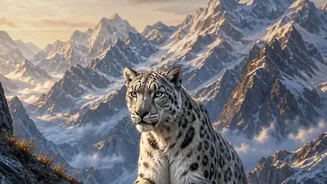
This safari is fundamentally a conservation initiative. For years, organizations like the Snow Leopard Conservancy India Trust have worked with local communities to transform the predator from a threat to livestock into a valuable asset for ecotourism. This new government-backed program builds on that success. By providing structured employment and involving villagers as custodians of their environment, the safari aims to create a 'conservation economy'. The goal is to prove that protecting wildlife can go hand-in-hand with economic development. The administration has made it clear that while tourism is welcome, activities that damage the ecology will be firmly dealt with, ensuring the 'Ghost of the Mountains' continues to thrive for generations to come.