





The Plate as a Local Map
A traditional Indian thali is more than a balanced meal; it's a map of the local ecosystem. Consider a simple meal from a dry region: it might feature bajra or jowar bhakri, a hardy dal, seasonal greens like amaranth, and a side of buttermilk. Each component
is there for a reason. Millets thrive in arid conditions where rice would fail. The greens are those that can withstand the local climate, and the buttermilk is a product of a dairy culture suited to the landscape. This isn't a coincidence but a culinary tradition shaped over centuries by the land itself. The ingredients are a direct reflection of what the local ecology can sustainably provide, creating a food system that is inherently in sync with its surroundings.
From Soil to Sustenance
The term for this intimate link between farming, food, and the environment is agroecology. It's a science that looks at agriculture as an ecosystem rather than a factory. Traditional Indian farming, at its core, was agroecological. Farmers understood that the health of the soil, the availability of water, and local biodiversity were not separate from the food they grew. This approach fosters diversity, both in the crops grown and in the wild, edible plants that supplement diets. For instance, river-fed regions in the East cultivate rice and fish, while coastal areas in the South integrate coconut into nearly every dish. This variety isn't just for taste; it ensures a resilient food supply and a landscape that isn't depleted by monocultures, creating a cycle where the environment nurtures the food, and the method of growing it nurtures the environment.
The Wisdom of Eating Seasonally
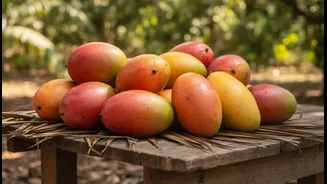
Our bodies, much like the land, have seasonal needs. Traditional diets evolved with an innate understanding of this. Summer meals often include hydrating foods like watermelon or cooling preparations like curd rice to combat the heat. Winter brings heartier, energy-dense foods. Eating seasonally ensures that produce is consumed at its nutritional peak. A mango in May is bursting with flavour and nutrients in a way a cold-storage version in December is not. This practice provides the body with a wider variety of nutrients over the year, preventing the dietary monotony that can arise from a globalised food chain. Furthermore, local, seasonal foods carry the microbial intelligence of the land, which can help strengthen our own gut microbiome and, by extension, our immunity.
Gut Health: The Inner Ecosystem
The connection between regional food and health is perhaps most evident in our gut. Many traditional Indian meals are rich in fibre from lentils, whole grains, and vegetables, which act as prebiotics—food for our beneficial gut bacteria. Moreover, fermentation is a cornerstone of cuisines across India, from the idli and dosa of the South to the fermented pickles and kanji of the North. These foods are natural probiotics, introducing beneficial bacteria that aid digestion, reduce inflammation, and enhance nutrient absorption. The spices integral to Indian cooking, like turmeric, ginger, and cumin, also play a crucial role in supporting digestive health and reducing inflammation. This creates a system where every meal works to maintain a balanced inner ecosystem, a principle modern science is now beginning to fully appreciate.
The Modern Disconnect and Reconnecting
Today, our food systems have largely disconnected from local ecology. Long supply chains and a reliance on a few staple crops like wheat and rice have reduced dietary diversity. This shift can impact both our health and the environment, leading to nutritional gaps and unsustainable farming practices. However, reconnecting is simpler than it seems. It starts with curiosity. Visiting a local farmers' market, choosing seasonal vegetables, and learning to cook a traditional dish from your own region are powerful first steps. By paying attention to where our food comes from, we not only support local economies and sustainable practices but also rediscover a profound source of well-being that has nourished generations.