





What Happens When You Fast
During a prolonged fast, even a modified one like for Navratri, your digestive system takes a well-deserved break. The production of digestive enzymes, which are needed to break down complex foods, slows down. The rhythmic muscle contractions that move
food through your gut, known as motility, also decrease. Your gut essentially enters a resting state. It's not used to a heavy workload, and its capacity to function at full tilt is temporarily reduced. This 'housekeeping' mode allows your gut to rest and repair, but it also means it's unprepared for a sudden, large influx of rich food.
The Shock of a Sudden Feast
Imagine asking someone who has been resting for nine days to suddenly run a marathon. That’s what a heavy, oily, or sugary feast does to your resting digestive system. This sudden overload is a primary cause of post-fasting discomfort. The system, which lacks the immediately available enzymes and digestive juices, struggles to break down the food efficiently. This can lead to a host of uncomfortable symptoms like indigestion, heartburn, acid reflux, bloating, and even diarrhea as the body tries to cope with the sudden load.
How to Break Your Fast Gently
The key to a comfortable transition is to be gradual. Think 'low and slow'. Don't rush to eat everything you missed all at once. Start with hydrating your body. A glass of warm water, coconut water, or a light herbal tea can help prepare your digestive system for food. Your first meal should be small, light, and easy to digest. Over the next day or two, you can slowly reintroduce more complex and heavier foods as your body readjusts.
Foods to Eat First
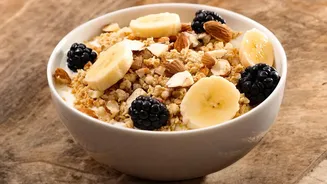
When breaking your fast, choose foods that are gentle on the stomach. Probiotic-rich foods like plain yoghurt or buttermilk are excellent choices as they help replenish good gut bacteria. A simple meal of 'khichdi' made with rice and moong dal is a classic for a reason—it’s nutritious and easy on the gut. Fruits like ripe bananas and papayas are also good options because their natural sugars are easy to digest. Steamed or well-cooked vegetables, light soups, and broths provide nutrients without overwhelming your system.
What to Avoid for a Day or Two
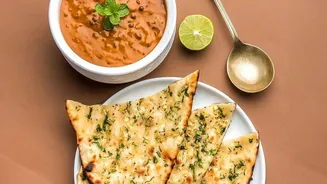
Just as important as what to eat is what to avoid right after your fast ends. Steer clear of excessively oily and fried foods like puris, pakoras, and samosas. These are difficult to digest and can trigger acidity. It’s also wise to avoid very spicy dishes, overly sweet desserts, and heavily processed foods. These can shock your system and lead to the discomfort you want to prevent. Even some healthy high-fibre foods like raw salads or certain legumes might be hard to handle initially, so introduce them slowly.
Listen to Your Body's Cues
Ultimately, the most important guide is your own body. Pay attention to its signals. Eat mindfully and stop when you feel comfortably full, not stuffed. Overeating during the first few meals can negate the benefits of your fast and cause significant discomfort. By reintroducing foods gradually and making thoughtful choices, you can enjoy the festive season's culinary delights without the unpleasant after-effects, allowing your body to transition smoothly and comfortably back into its regular rhythm.