




The Need for Speed: Running's Pace and Cardio
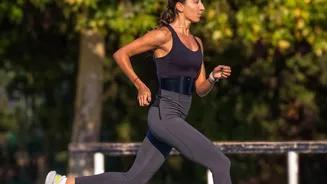
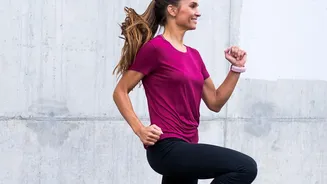
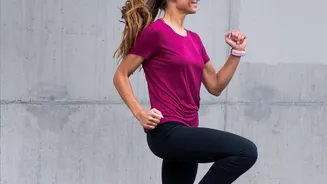
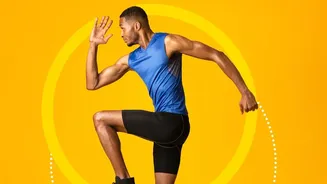
Running is synonymous with pace and cardiovascular intensity. It is a high-energy activity that elevates your heart rate, improves lung capacity, and builds endurance. For many, the appeal lies in the exhilarating rhythm of a steady jog or the challenge
of a high-speed sprint. This form of exercise is a straightforward and effective way to boost cardiorespiratory fitness. While running certainly engages the core to maintain an upright posture and stability during motion, it's primarily a leg-dominant exercise. The repetitive motion, however, is what defines its high-impact nature.
Control and Precision: The Pilates Method
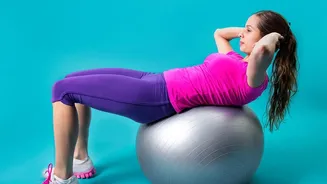
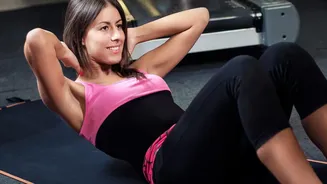
Pilates, in stark contrast, operates on the principle of control over speed. The 'pace' is slow, deliberate, and highly focused, emphasizing precision in every movement. Created as a rehabilitative practice, its main goal is to build functional strength and body awareness. While some faster-paced Pilates classes can elevate the heart rate, it is generally considered a low-intensity exercise compared to running. Its primary function isn't cardio, but building a foundation of strength and stability from the inside out.
The Impact Factor: Joints Under Pressure
One of the most significant differences is the level of impact. Running is a high-impact activity, meaning both feet leave the ground, and the body absorbs the force of landing with each step. This can be beneficial for building bone density. However, this repetitive stress can also take a toll on the joints, particularly the knees, hips, and ankles, and is a common source of injuries like runner's knee and shin splints.
Low-Impact, High-Reward: The Gentle Strength of Pilates
Pilates is a low-impact workout, which makes it much gentler on the joints. Most exercises are performed on a mat or specialized equipment, where movements are controlled and supported. This makes it an accessible option for people of all fitness levels, including those recovering from injury or dealing with chronic conditions. By reducing the stress on joints, Pilates allows for strengthening and toning without the associated risks of high-impact training.
The Core of the Matter: Running's Stabilizing Role
A strong core is vital for efficient running form and injury prevention. In running, the core muscles—including the abs, obliques, and lower back—work to stabilize the torso and pelvis as the limbs are in motion. A stable core prevents excessive twisting and allows for more efficient energy transfer, helping you run taller and with better posture, especially as fatigue sets in. However, the core is working as a stabilizer rather than the prime mover.
Pilates: The Original Core Workout
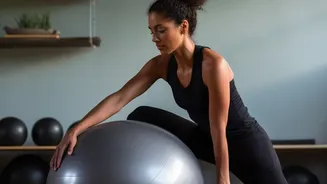
If running uses the core for support, Pilates puts it center stage. The entire methodology is built around the concept of the 'powerhouse'—the deep muscles of the abdomen, hips, and back. Every single Pilates exercise initiates from this center, aiming to develop a strong, integrated core that supports the spine and improves posture and balance. This deep core engagement is what distinguishes Pilates and is renowned for its ability to create profound stability and body awareness.
Better Together: The Perfect Fitness Pairing
The debate isn't about which is definitively 'better,' but how they serve different goals. The ideal solution for many isn't to choose one over the other but to combine them. Pilates can make you a better, more resilient runner. By strengthening deep core muscles, improving flexibility, and enhancing body awareness, it corrects muscle imbalances and refines running mechanics. This leads to better form, reduced risk of injury, and improved efficiency, allowing you to get more out of every run.