

An Unprecedented Product Blitz
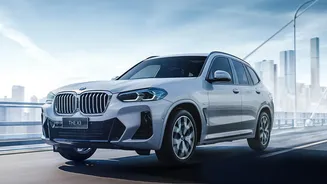
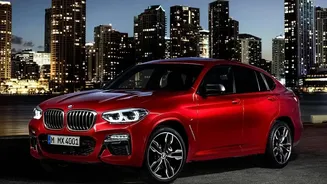
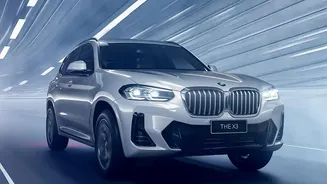
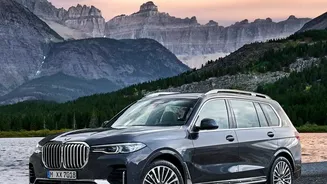
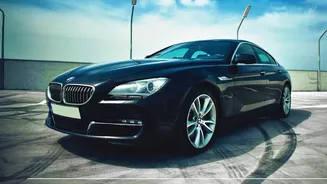
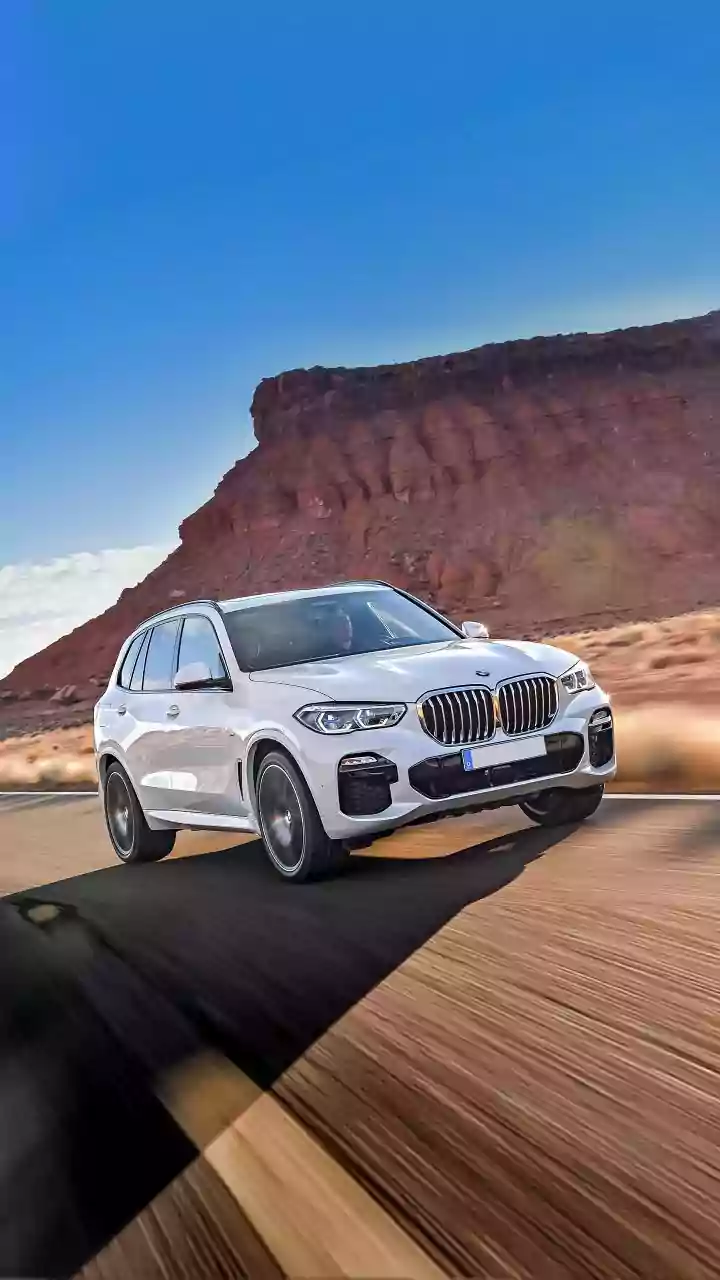
In a move that signals immense confidence in the Indian market, BMW Group India has confirmed an aggressive expansion plan. The company will introduce 14 new products by the close of 2026. This announcement comes on the heels of a successful period where
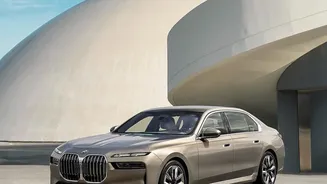
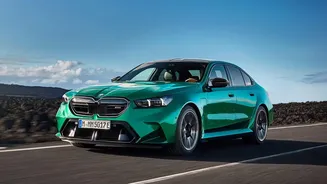
the automaker already launched 11 new products earlier in the year, all of which were reportedly sold out, demonstrating strong consumer demand. The upcoming launches are expected to cover a wide spectrum, including luxury sedans, highly popular SUVs, performance-oriented M models, and, crucially, several electric vehicles (EVs). This strategy aims to build on the company's record-breaking sales performance and solidify its competitive footing.
Why India, Why Now?
The timing of BMW's major push is no coincidence. India's luxury car market is on a significant growth trajectory, projected to expand considerably by the early 2030s. After a period of trailing its chief rival, Mercedes-Benz, BMW has been closing the gap, even overtaking them in quarterly sales for the first time in over a decade during the first quarter of 2026. This resurgence is fueled by a combination of factors: rising disposable incomes, a growing aspiration among consumers for premium brands, and a strategic expansion by BMW into new Tier-II and Tier-III cities. By expanding its retail network to 50 cities, BMW is positioning itself to capture this new wave of luxury buyers who live beyond the traditional metropolitan hubs.
The Electric Vehicle Gambit
A significant pillar of BMW's strategy is its focus on electric mobility. The company has been a frontrunner in the nascent luxury EV space in India, achieving an EV penetration of around 21% within its own sales—far exceeding the industry average. This success is largely attributed to models like the iX1, which has helped BMW capture a dominant share of the luxury EV market. The plan for 14 new models heavily features electric variants, including the potential Indian debut of vehicles built on its next-generation 'Neue Klasse' platform. By offering electric versions of its popular models, often at comparable price points to their petrol or diesel counterparts, BMW is effectively lowering the barrier to EV adoption for luxury buyers and setting the pace for its competitors.
Turning Up the Heat on Rivals
This aggressive product and retail expansion is a direct challenge to the established order in India's luxury market. For years, Mercedes-Benz has held the top spot in annual sales. While Mercedes continues to lead, BMW's rapid growth and focus on volume across different price points have significantly tightened the race. The company's market share has been growing, while Audi, the third major German competitor, has struggled to keep pace, facing challenges with product renewal and a less aggressive EV strategy. BMW's multi-pronged attack—offering fresh products, leading in the EV segment, and expanding its physical reach—is designed to seize market leadership. The battle for the top spot in one of the world's most promising luxury car markets is now more intense than ever.