




A Return to Nature's Pantry
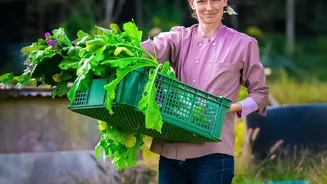
Foraging, the practice of gathering wild food, is deeply rooted in India’s indigenous and rural traditions. For generations, communities have relied on the forest for sustenance, collecting everything from wild mushrooms and leafy greens to seasonal fruits
and medicinal plants. Today, this ancient wisdom is finding a new audience. Chefs like Prateek Sadhu and Vanika Choudhary are championing hyperlocal ingredients, creating dishes that tell a story of the land. They are venturing into forests to source unique items like Himalayan fiddlehead ferns (lingdu), wild mushrooms (alambi), and tangy sea buckthorn berries. This movement is not just about novel flavours; it's a celebration of biodiversity, a way to connect with our food at its most primal level, and an appreciation for the micronutrient-rich bounty that grows outside of conventional farms.
The Forager’s First Rule: Certainty Is Everything
The allure of free, wild food comes with a critical warning: misidentification can be dangerous, even fatal. India’s diverse flora includes many poisonous plants that have deceptively edible look-alikes. For instance, the beautiful Datura, or angel's trumpet, is highly toxic despite its use in traditional medicine. Similarly, plants like the Suicide Tree (Cerbera odollam) and Indian Aconite are extremely poisonous. Even a staple like cassava can contain cyanide if not cooked properly. The golden rule of foraging is absolute: you must be 100 percent certain of a plant's identity before it ever touches your lips. This is not a field for guesswork. As a beginner, it is crucial to learn from experienced local foragers or join guided walks. Cross-referencing with reliable field guides is essential, but it should complement, not replace, hands-on learning from an expert.
Treading Lightly on the Land
Responsible foraging is as much about sustainability as it is about safety. The goal is to harvest in a way that does not harm the plant population or the surrounding ecosystem. Over-harvesting can deplete resources that local communities and wildlife depend on. Sustainable practice means following a few key principles. First, never take more than you can use. Wild ingredients often have a short shelf life. Second, take only a small portion, leaving plenty behind for the plant to regenerate and for others to enjoy. A common guideline is to take no more than one-third of what you find. It's also vital to cause minimal damage; for example, when harvesting wild garlic, it's better to snip the leaves and leave the bulb in the ground to grow back next season. Respecting the environment ensures that these natural pantries remain abundant for future generations.
How to Begin Your Foraging Journey
Starting your foraging journey can feel intimidating, but it doesn't have to be. The safest way to begin is by focusing on easily identifiable and common plants. Think of purslane (kulfa), a common 'weed' that's actually a nutritious addition to salads, or the leaves and flowers of the moringa tree. Many organisations and individuals now host foraging walks and workshops, particularly during the monsoon when wild edibles are abundant. These are excellent opportunities to learn directly from experts. Building relationships with local farmers at markets can also be insightful; they often sell foraged greens and can share generational knowledge about how to identify and cook them. Start small, stay curious, and prioritise learning over collecting. The journey is about slowly building your knowledge and confidence, one plant at a time.