





The Sheer Scale of the System
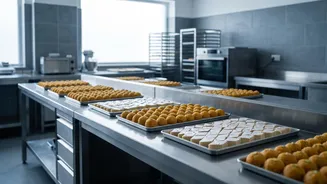
First, consider the numbers. Billions of pounds of food move through the U.S. supply chain annually. Testing every single item is physically and economically impossible. Instead, regulators and companies rely on statistical sampling. They might test a small
batch from a massive production run to check for contaminants. If that sample is clean, the batch is cleared. This is a practical necessity, but it's also a game of odds. A contaminated portion can be missed if it's not part of the specific sample that gets pulled for analysis. It's like trying to find a single faulty light bulb by testing just a handful from a factory that produces millions.
Testing for the Wrong Thing
Even when a product is tested, the tests are highly specific. A test designed to detect Salmonella won't find E. coli or Listeria. A company might test for the most common or historically problematic pathogens, but new threats can emerge. Furthermore, recalls are often triggered by undeclared allergens or foreign materials like plastic or metal fragments from processing equipment, which standard pathogen tests wouldn't catch. A product can pass its specific microbial tests with flying colors and still pose a different kind of risk to consumers. The system is designed to look for known threats, but the unknown or unexpected can and does slip through.
A Clean Bill of Health Can Expire
A crucial weakness in relying solely on testing is that contamination can happen at any point in the long journey from farm to fork. A batch of lettuce might test clean at the processing plant, but then get loaded onto a truck that wasn't properly sanitized after hauling raw meat. At the grocery store, juices from a leaking package of chicken could drip onto fresh produce. Even in your own kitchen, using the same cutting board for raw poultry and then for a salad can introduce dangerous bacteria. A negative test result is only a snapshot in time. It certifies the product was safe at that moment, but it offers no guarantee against contamination that occurs later during distribution, storage, or final preparation.
Prevention Is the Real Goal
Because of these limitations, the food industry and regulators like the FDA and USDA have increasingly focused on prevention rather than just detection. Modern food safety revolves around Hazard Analysis and Critical Control Points (HACCP), a system designed to identify potential risks at every step of production and implement controls to prevent contamination before it happens. Testing is used to verify that the preventative system is working, not as the primary line of defense. This shift acknowledges that it's far more effective to design a safe process from the ground up than to try and catch failures at the very end. The rise in recalls we sometimes see is often a sign that these better surveillance and genetic tracing methods are working, catching problems more effectively than in the past.
Your Kitchen Is the Final Checkpoint
Ultimately, the last line of defense is the consumer. No matter how robust the regulatory and testing systems are, they cannot control what happens in your home. This is especially true during the holidays, when kitchens are busy and large meals are being prepared. Simple practices are a powerful tool against foodborne illness. The four key steps are: Clean (wash hands and surfaces), Separate (keep raw meats away from ready-to-eat foods), Cook (use a food thermometer to ensure proper internal temperatures), and Chill (refrigerate leftovers promptly). Letting food sit in the "danger zone" between 40°F and 140°F for more than two hours allows bacteria to multiply rapidly.