


What Exactly Is Turbulence?
Think of turbulence as waves in the air. Just as a boat sailing on the ocean encounters waves, an aircraft flying through the atmosphere encounters pockets of irregular air movement. This is a completely normal part of flying. There are several causes,
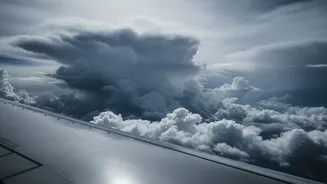
including weather fronts, air moving over mountains, and jet streams, which are fast-moving rivers of air high in the atmosphere. Pilots often compare it to driving on a bumpy road; it might be uncomfortable, but the vehicle is designed to handle it. The most unpredictable type is Clear Air Turbulence (CAT), which can occur without any visible clues like clouds, often at high altitudes. This is why you might experience bumps even when the sky outside looks perfectly calm.
Is the Plane in Danger?
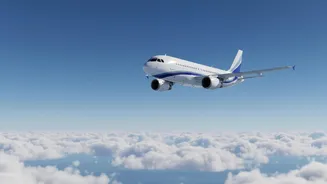
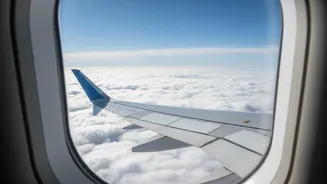
In short, no. Modern commercial aircraft are engineering marvels built to withstand incredible stress. Their wings are designed to be flexible, allowing them to absorb the force from even severe turbulence. While a flight might feel shaky to passengers, pilots are rarely concerned about the structural integrity of the aircraft. Genuine severe turbulence is extremely rare. Pilots and air traffic controllers use sophisticated weather forecasting tools and receive reports from other aircraft to navigate around the worst areas. However, since some turbulence is unavoidable, pilots are highly trained to manage the aircraft through it, often by adjusting speed and altitude to ensure the smoothest possible ride.
The Real Risk: Your Safety Inside the Cabin
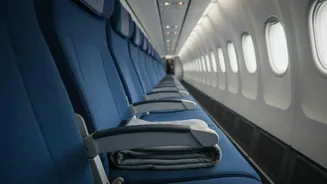
The primary danger from turbulence isn't to the plane, but to the people inside it. According to the U.S. Federal Aviation Administration (FAA), turbulence is the leading cause of in-flight injuries to passengers and crew who are not buckled up. During a sudden jolt, an unbuckled person can effectively become a projectile, risking serious injury by hitting the ceiling, armrests, or other passengers. Recent incidents highlight this risk. On August 4, 2026, an Air India flight from Phuket to Delhi experienced severe turbulence that caused injuries to 17 people after a sudden drop in altitude. Most injuries in these events happen to people who are standing, walking in the aisle, or seated without their seatbelt on.
Why 'Seatbelt Sign On' Isn't the Only Cue
The seatbelt sign is an essential command, but the safest habit is to keep your belt fastened whenever you are seated, whether the sign is on or off. This is because Clear Air Turbulence, by its nature, can strike unexpectedly. Pilots do their best to provide advance warning, but it's not always possible. Flight attendants, who spend much of the flight on their feet, are the most frequent victims of turbulence-related injuries. Their advice to passengers is consistent and clear: if you are in your seat, buckle up. This simple act is your personal line of defense against the unpredictable nature of the atmosphere and ensures that a bumpy ride doesn't turn into a dangerous one.
Expert Advice for Anxious Flyers
For those who feel anxious during turbulence, remember that pilots are not alarmed by it; their main concern is passenger comfort, not aircraft safety. The sensation of movement can often be lessened by sitting in a seat over the wings, where the ride is generally more stable than in the rear of the plane. Focusing on your breathing or listening to calming music can also help manage anxiety. Ultimately, the most reassuring fact is that while you can't control the air around the plane, you can control your own safety. By following crew instructions and keeping your seatbelt fastened, you've taken the most important step to protect yourself.