





A Torrent of Evidence
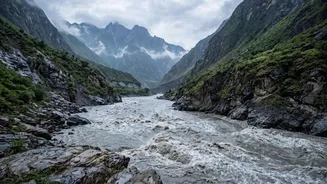
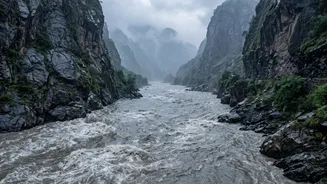
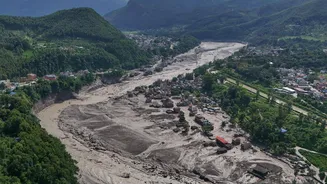
The 2021 flash flood in the Melamchi River provides a stark case study. The disaster, which killed locals and foreign workers, was not a complete mystery. Early research and subsequent detailed analyses pointed to a cascade of events. Heavy monsoon rains
fell on terrain already destabilized by the 2015 Gorkha earthquake. This triggered massive landslides upstream, which temporarily dammed the river. When this natural dam burst, it unleashed a devastating torrent of water, mud, and boulders. Further studies, using advanced satellite imagery, confirmed these triggers, adding excessive snowmelt to the dangerous combination. Scientists have a firm grasp on the physical mechanics of the disaster: a convergence of climate change-intensified rainfall, unstable geology, and high-altitude glacial processes created a predictable, if tragic, outcome.
A Complex Web of Causes
The clues are not just geological. Experts highlight that the disaster's scale was amplified by a combination of factors. The term for this is a cascading hazard, where one event triggers a series of others. Scientists are investigating the role of melting glaciers and the potential for Glacial Lake Outburst Floods (GLOFs), a phenomenon where lakes formed by melting glaciers burst their natural dams. The frequency of these events is increasing as the Himalayas warm at an accelerated rate. Beyond natural triggers, systemic issues like unregulated sand mining and riverbank encroachment for development have compounded Nepal’s vulnerability. This complex interplay of climate change, geology, and human activity provides a clear picture of the risks, making the lack of a conclusive official investigation even more glaring.
The Governance Gridlock
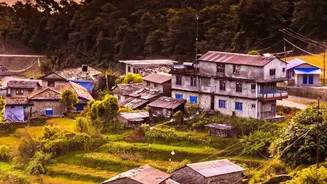
One of the most significant barriers to a conclusive investigation is Nepal's own governance structure. Following the 2015 constitution, disaster management responsibility was decentralized to 753 newly formed municipalities. While intended to empower local communities, many of these bodies felt overwhelmed, lacking the resources, expertise, and established systems to handle complex disaster investigations and management. This has led to what reports describe as poor coordination between federal, provincial, and local levels of government. A 2017 law aimed to clarify roles, but confusion persists, hampering effective risk governance. This political and administrative fragmentation means that even when the scientific evidence is clear, the institutional framework to act on it is often missing or dysfunctional. Political leadership is cited as an essential, but often underdeveloped, determinant of effective disaster management in the country.
Technical and Financial Hurdles
Conducting a forensic investigation into a disaster of this magnitude requires immense resources. Nepal's rugged, mountainous terrain makes accessing remote upstream sites difficult and dangerous, a problem exacerbated when floods destroy the very roads and bridges needed for access. There are significant challenges in funding, infrastructure, and the availability of qualified human resources to conduct comprehensive assessments. While international bodies and academic institutions often step in to provide scientific analysis using satellite data and modeling, translating these findings into a formal, government-led investigation with legal and policy implications requires domestic capacity that is often stretched thin. The country faces an estimated $218 million in annual economic losses from disasters, a figure that strains its ability to fund proactive, in-depth investigations alongside immediate relief and reconstruction.
The Cross-Border Complication
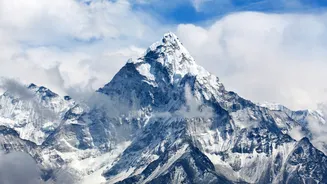
Many of Nepal's major rivers, and the glaciers that feed them, originate in Tibet, across the border in China. This makes transboundary cooperation essential for both early warning systems and post-disaster investigation. Following a major flood on the Bhote Koshi corridor in 2025, which was caused by a glacial lake outburst in Tibet, Nepalese officials noted the lack of a mechanism for advance warning from China. While commitments were made to strengthen coordination, the effectiveness of these channels remains a critical variable. Investigating a flood's origin can require data and access to sites in another country, adding a layer of diplomatic complexity to an already challenging technical and political problem. Without full cooperation, a complete picture of why a disaster occurred can remain just out of reach.