




Beyond the Usual Vrat Staples
For generations, fasting periods in India have been defined by a specific set of foods. Dishes made from sabudana (tapioca pearls), kuttu ka atta (buckwheat flour), and potatoes are cornerstones of the vrat diet. They provide energy and adhere to the sattvic
principles of purity and simplicity. However, as dietary awareness grows, many are seeking options that are not only compliant with fasting rules but also offer better nutritional balance and more variety in taste and texture. The traditional menu, while comforting, can be heavy on carbohydrates and fried foods. This has paved the way for lighter, more nutrient-dense ingredients to enter the fasting kitchen.
The Nutritional Punch of Makhana
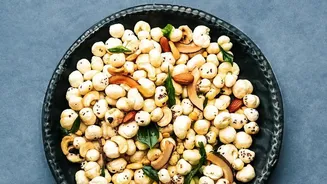
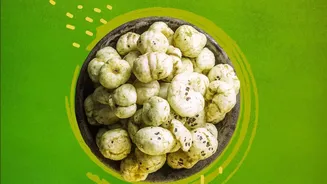
Makhana, or fox nuts, have long been associated with fasting but are now gaining superstar status for their incredible health benefits. These puffed lotus seeds are low in calories and fat, yet packed with protein and fibre, a combination that keeps you feeling full and energized for longer. Unlike many other carbohydrate-heavy fasting snacks, makhana has a low glycemic index, which helps maintain stable blood sugar levels. They are also rich in essential minerals like magnesium, potassium, and calcium, supporting everything from heart health to bone strength. Being naturally gluten-free and rich in antioxidants, they are an ideal food to sustain you through a fast, preventing the lethargy that can sometimes set in.
Simple Ways to Enjoy Makhana
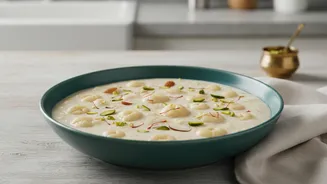
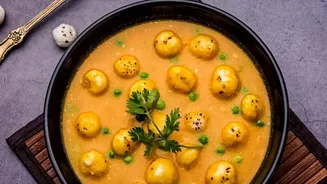
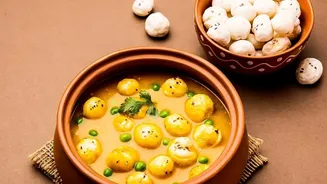
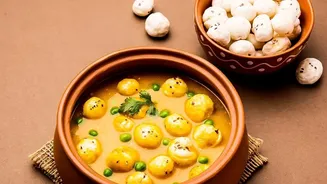
Incorporating makhana into your fasting menu is incredibly easy. The simplest way is to roast them in a teaspoon of ghee until they are crisp, then season with sendha namak (rock salt) and black pepper for a satisfying, crunchy snack. For something more substantial, you can prepare a simple makhana sabzi or add them to a vrat-friendly kadhi. Another popular option is makhana kheer, a creamy dessert made by simmering roasted and coarsely ground makhana in milk with a sweetener and cardamom. These dishes showcase the versatility of makhana, allowing it to feature in snacks, main courses, and desserts.
Sprouts for Sustained Energy
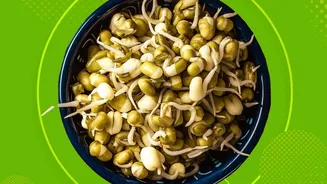
Sprouts are another excellent addition to the modern fasting diet. While lentils and legumes are typically avoided during many fasts, sprouts occupy a unique space. As they are germinated seeds and not grains, many people find them acceptable, especially for fasts that are less restrictive. Sprouts are nutritional powerhouses, often called 'living food'. The sprouting process increases their content of vitamins, especially Vitamin C and B-complex vitamins, and makes minerals like iron and magnesium more bioavailable. They are an excellent source of plant-based protein and fibre, which aids digestion and provides sustained energy. Their high enzyme content also helps in easier digestion, which is a bonus during a fasting period.
How to Add Sprouts to Your Menu
If your fasting tradition allows, sprouts can be a refreshing and light meal. A simple sprout chaat is a fantastic option. Combine sprouted mung beans with chopped cucumber, tomatoes, and boiled potato. Season it with rock salt, black pepper, and a squeeze of lemon juice for a tangy and nutritious snack or light lunch. You can also add sprouts to a fruit chaat to boost its protein content or mix them into a bowl of yogurt (dahi) seasoned with roasted cumin powder. These preparations are quick, require no cooking, and offer a fresh contrast to the richer, cooked foods often eaten during fasts.