








The Scale of the Problem
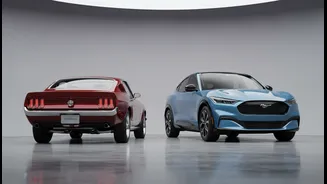
By early July 2026, Ford had already issued 56 recall campaigns in the U.S., significantly outpacing its competitors. These campaigns cover millions of vehicles, from the iconic Mustang to popular SUVs and trucks. For example, a single electrical system
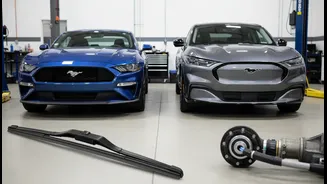
recall in the first quarter involved over 4.3 million vehicles. Another recall announced in July covered over 110,000 Mustang and Mustang Mach-E models for separate issues involving windshield wipers and potential loss of power. While the company points to recent improvements in initial quality studies, the sheer volume of callbacks tells a different story, creating a perception of low quality that is difficult to shake.
Not Your Grandfather's Recall
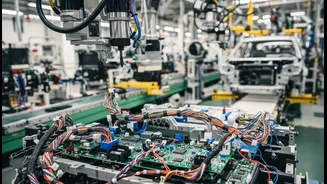
The nature of these recalls reveals the core of the industry's challenge. Many are not for traditional mechanical failures like faulty brakes or engines, but for issues rooted in software and electronics. Modern vehicles are essentially rolling supercomputers, with millions of lines of code governing everything from driver-assist systems and infotainment screens to engine performance and safety features. A recent Ford recall, for instance, involved a software glitch that could prevent pedestrian warning sounds in hybrid models from working correctly. While a software patch—sometimes delivered over-the-air without a dealer visit—seems less severe than replacing a physical part, these bugs can affect critical safety functions, such as airbag deployment or camera displays.
An Industry Under Strain
Ford’s situation is a magnified version of what all automakers are experiencing. The pressure to innovate is relentless. Companies are in a race to develop electric vehicles (EVs), add sophisticated semi-autonomous features, and create seamless digital experiences for drivers. This rapid integration of new technology dramatically increases complexity. At the same time, global supply chains remain fragile. A defect in a single component from one supplier, whether it's a semiconductor chip or an airbag sensor, can force millions of vehicles from multiple brands off the road. This interdependence means a problem for one is often a problem for many, creating industry-wide vulnerability.
The Rising Cost of Complexity
For automakers, this new reality is financially and reputationally damaging. Recall-related costs run into the billions, hitting bottom lines and spooking investors. Stricter government oversight from bodies like the National Highway Traffic Safety Administration (NHTSA) means even minor non-compliance issues can trigger a full-blown recall. In this environment, manufacturers are becoming more proactive, issuing recalls for potential issues before they cause widespread harm. While this is good for consumer safety, it contributes to the constant barrage of recall headlines. The challenge is communicating these issues clearly and fixing them quickly to maintain customer trust, which can erode much faster than it is built.