





A World of Extremes
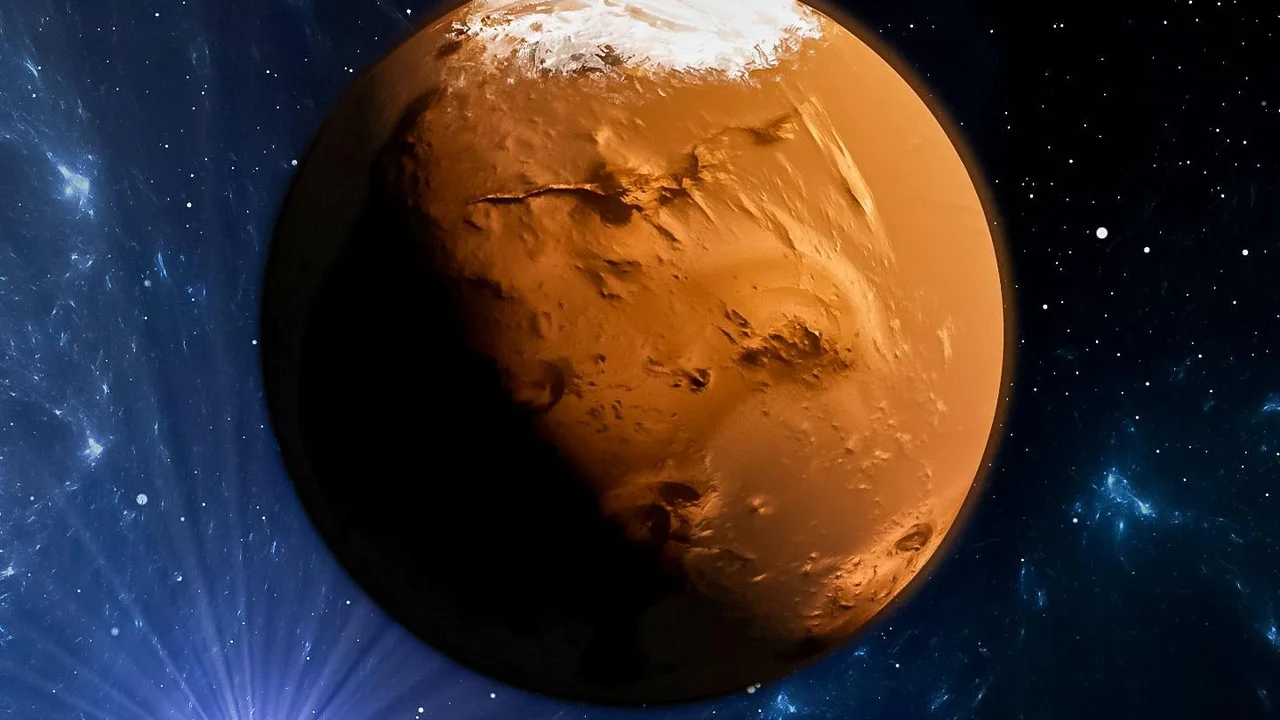
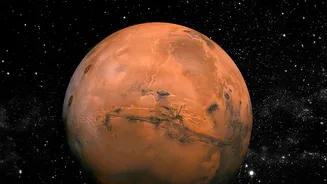
The latest findings, led by a team at the Physical Research Laboratory (PRL) in Ahmedabad, reveal that Mars experiences dramatic and severe temperature fluctuations. Published in the journal Current Science, the study shows surface temperatures can swing
from a relatively mild 27 degrees Celsius during a summer day to a bone-chilling minus 123 degrees Celsius in winter. These massive shifts are driven by two key factors: Mars' incredibly thin atmosphere, which is poor at trapping heat, and its highly elliptical orbit. This orbit means the planet's distance from the Sun varies significantly, making its southern summers far more intense than those in the north. The planet essentially heats up rapidly in the sunlight and loses that heat just as quickly when night falls, creating a constant state of thermal flux.
Ripples in the Atmosphere
Perhaps the most fascinating discovery is not just the range of temperatures, but how that heat moves. The scientists found that temperatures don't just rise and fall uniformly; they ripple across the planet in huge, structured patterns known as zonal waves. Think of it like watching ripples on a pond to understand unseen currents below the surface. By studying two of Mars' largest impact basins, Hellas and Argyre, the team observed how this immense topography shapes the flow of energy. The deep basins and towering crater rims influence the atmospheric waves, creating complex weather patterns that previous climate models hadn't fully captured. In fact, the real-world data showed temperatures were often significantly warmer than what leading climate databases predicted, highlighting a crucial gap in our understanding.
An Indian Eye on a Distant World
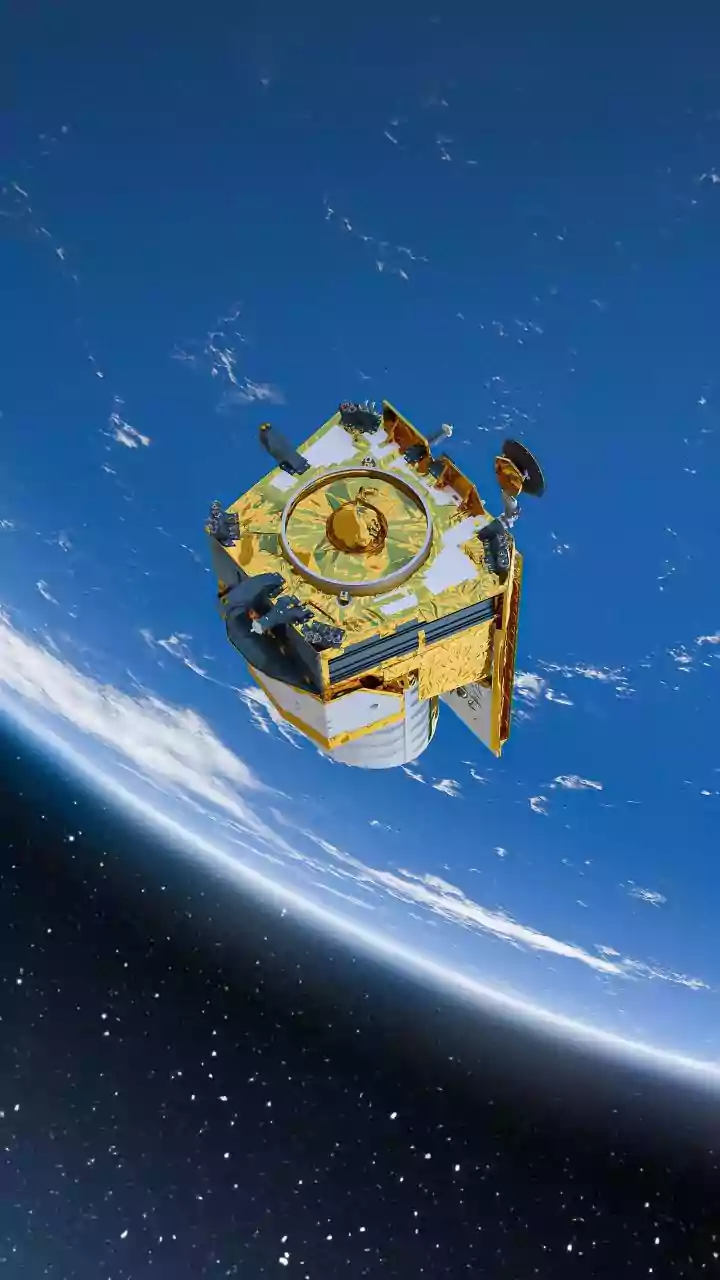
This groundbreaking analysis builds on India's strong legacy in Martian science, established by the celebrated Mars Orbiter Mission (MOM), or Mangalyaan. From 2014 until its mission concluded in 2022, Mangalyaan provided a wealth of data about the Martian atmosphere and surface, cementing India’s place as a major player in planetary exploration. For this new study, the PRL scientists showcased another strength: global collaboration. They analysed high-precision infrared data from the Emirates Mars Mission's Hope spacecraft. This use of international datasets demonstrates how Indian researchers are leveraging global tools to remain at the cutting edge of space science, continuing to unpack the Red Planet’s secrets even after Mangalyaan’s historic journey has ended.
Why This Changes Our View of Mars
A more dynamic climate has significant implications. For scientists, it provides a much-needed reality check for their atmospheric models, allowing for more accurate predictions of Martian weather and long-term climate evolution. Understanding these powerful temperature shifts and atmospheric waves is also critical for future exploration. Any hardware, whether robotic or human-led, must be designed to withstand these extreme environmental swings. A better grasp of atmospheric circulation, dust storm formation, and heat distribution is essential for ensuring the safety and success of the next generation of missions to Mars. This Indian analysis provides a vital piece of that complex puzzle, reminding us that Mars is not a dead planet, but a world of constant, energetic change.