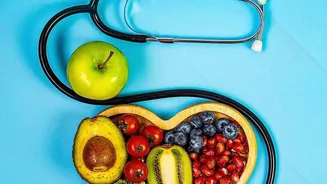







After the joyous indulgence of Diwali, it's natural to feel a bit sluggish from all the sweets and fried snacks. But getting back to a healthy routine doesn't require a punishing detox. Here’s a cardiologist-approved guide to gently resetting your body.
Why A Gentle Reset Beats A Crash Diet
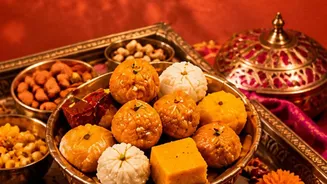
The festive season, with its abundance of high-sugar sweets and salt-heavy snacks, can put a strain on your body. A diet high in saturated fat and sugar elevates 'bad' LDL cholesterol and triglycerides, while excess sodium can raise blood pressure. After days of this, it might seem tempting to try a drastic crash diet. However, cardiologists and nutritionists advise against this. Extreme restrictions can lead to feelings of deprivation and are often unsustainable. The key is not to punish your body but to gently guide it back to a balanced state, focusing on nourishment and consistency. A few days of festive eating won't erase your healthy habits.
Hydration: Your First and Easiest Step
One of the simplest yet most effective ways to start your recovery is by focusing on hydration. Drinking plenty of water is a natural way to help your system flush out toxins and excess sodium, which can reduce bloating. Aim to start your day with a glass of warm water, perhaps with a squeeze of lemon. Throughout the day, keep a water bottle handy. If plain water feels dull, consider herbal teas, coconut water, or homemade chaas (buttermilk) instead of sugary packaged juices or soft drinks.
Reintroduce Fibre and Lean Protein
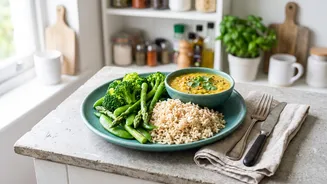
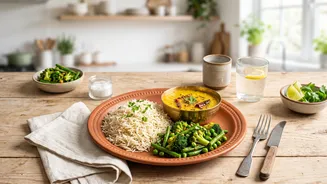
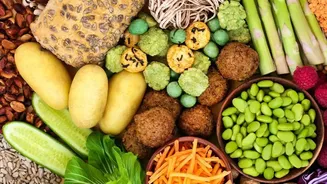
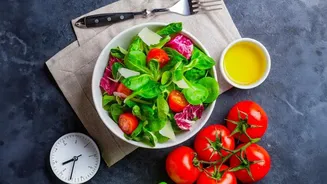
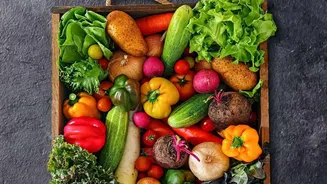
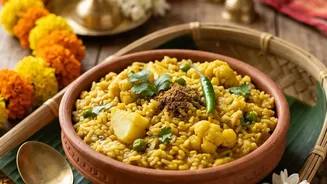
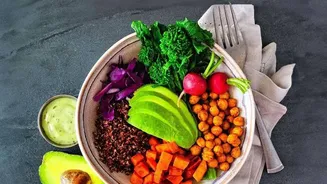
After a diet heavy on refined carbs and fats, your digestive system needs a reset. Focus on reintroducing fibre-rich and protein-rich foods. Soluble fibre, found in oats, beans, and many vegetables, helps lower 'bad' cholesterol. Aim to include plenty of fresh seasonal vegetables, salads, and fruits in your meals. Simple, home-cooked meals like dal-chawal, khichdi, or chapati with sabji are gentle on the stomach and packed with nutrients. For protein, include lentils, legumes, paneer, and curd, which support muscle health and help you feel full.
Mindfully Reduce Sugars and Fried Foods
It’s important to consciously cut back on the remaining Diwali sweets and snacks. Instead of making them a daily default, treat them as an occasional indulgence. To manage sugar cravings, opt for whole fruits. Cardiologists recommend choosing baked, roasted, or air fried snacks like roasted makhana or chana over fried alternatives. Removing leftover sweets and fried foods from your kitchen can also help you avoid temptation and get back on track more easily. Even making small swaps, like choosing nuts and seeds over processed namkeen, can make a significant difference.
Incorporate Gentle Movement and Prioritise Sleep
Health is not just about diet. Easing back into physical activity is crucial. Drastic, intense workouts can be counterproductive after a period of inactivity. Instead, opt for gentle movement like a 15 minute walk after meals, which aids digestion, or light yoga and stretching. This helps stimulate circulation and allows your body to process toxins. Equally important is restoring your sleep schedule. Festive late nights can disrupt hormones that regulate appetite and stress. Aim for 7–9 hours of quality sleep per night to allow your body to repair and regenerate.