




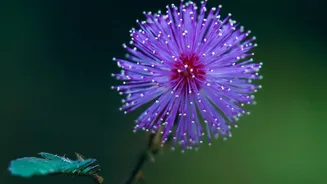
A Once-in-a-Dozen-Year Wonder
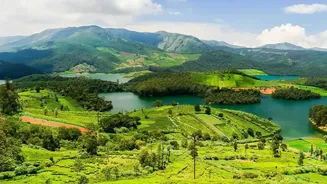
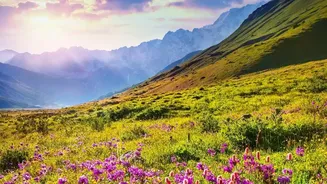
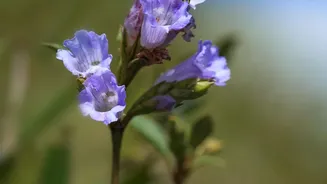
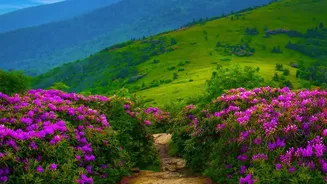
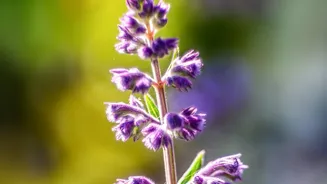
Across the high-altitude shola grasslands of the Western Ghats, a breathtaking natural event is underway. The Neelakurinji (Strobilanthes kunthiana), a shrub endemic to this region, is famous for its unique lifecycle: it blooms en masse only once every
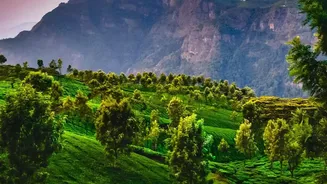
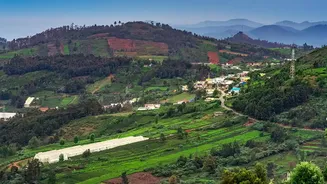
12 years. This synchronized flowering carpets entire hillsides in a vibrant purplish-blue hue, a phenomenon so legendary it is believed to have given the Nilgiri (Blue Mountains) their name. The current bloom, anticipated for 2026, is drawing visitors to areas like Gudalur, Nadukani, and O'Valley. For local communities like the Paliyan tribe, this cycle was historically used to track time and calculate age, weaving the flower into the cultural fabric of the region. After flowering, the plant dies, releasing seeds that will lie dormant for over a decade before beginning the cycle anew.
Why This Bloom Is Ecologically Vital
The Neelakurinji bloom is more than just a visual spectacle; it is a cornerstone of the local ecosystem. This mass flowering provides a sudden, abundant source of nectar for pollinators, especially native bees, leading to the production of a rare and highly valued 'Kurinji honey'. The event supports a wide array of wildlife in the shola forests, a habitat already recognized as a global biodiversity hotspot. The plant itself is considered an indicator of the ecosystem's health. However, this delicate natural balance is under threat. The International Union for Conservation of Nature (IUCN) has listed Neelakurinji as a vulnerable species, citing habitat loss from plantations, urban expansion, and invasive species as primary dangers. The very popularity of the bloom has become one of its biggest challenges.
The Threat of Human Interference
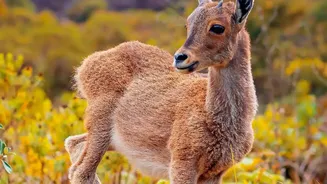
With the rise of social media and tourism, each blooming season brings a surge of visitors. While this boosts local economies, it also places immense pressure on the fragile habitat. Reports from recent blooms show tourists venturing into restricted areas, trampling the delicate shrubs, and causing soil erosion. A major concern for conservationists is the habit of plucking the flowers. Since the Neelakurinji plant reproduces only once in its lifetime, picking the flowers prevents it from setting seed, effectively sterilizing that plant and jeopardizing the next generation's bloom a dozen years later. The influx of people also brings litter and can disturb wildlife, including the endangered Nilgiri Tahr and wild elephants that use these areas as corridors.
A New Era of Strict Protection
Recognizing the growing threats, authorities have taken decisive action. In 2023, the Ministry of Environment, Forest and Climate Change placed Neelakurinji under Schedule III of the Wildlife (Protection) Act, 1972, officially listing it as a protected plant. This designation gives forest officials the power to enforce strict penalties. Anyone caught uprooting, destroying, or even possessing the plant can face a fine of up to ₹25,000 and imprisonment for up to three years. Ahead of and during the 2026 bloom, the Tamil Nadu Forest Department has already begun restricting public access to sensitive areas within the Gudalur forest division, especially as these zones are also prone to human-elephant conflict. Officials have repeatedly warned the public, including social media influencers, to admire the spectacle from a distance and respect the prohibitions.
How to Witness the Bloom Responsibly
The enforcement of penalties doesn't mean the public cannot enjoy this natural wonder; it means doing so with respect and responsibility. Officials have designated specific viewpoints, such as those near Gudalur, where the public can admire and photograph the bloom without harming the plants or encountering wildlife. If you plan to visit, the rules are simple: stay on marked trails and within permitted areas. Do not pluck the flowers or damage the plants in any way. Carry all your litter back with you and avoid disturbing the peace of the area. By following these guidelines, visitors can ensure that their presence does not compromise the survival of the very spectacle they came to see. The goal is to leave the blue hills just as you found them, ensuring that this magnificent 12-year cycle continues for generations to come.