








The Problem with Rigid Meal Plans
Many of us have tried it: a detailed, seven-day menu mapping out every breakfast, lunch, and dinner. While it seems like the peak of organisation, this rigid approach often fails. Life is unpredictable. An unexpected dinner invitation, a sudden craving,
or a long day at work can derail the entire plan. This often leads to guilt, abandoned ingredients, and food waste. A strict plan doesn't account for our changing appetites or schedules. The pressure to follow the rules can turn cooking from a joy into a chore, making the entire effort unsustainable in the long run. Studies show that while a rigid approach might work initially, a flexible strategy leads to better long-term habits.
Enter the Meal Template: Structure Meets Freedom
A meal template is not a menu; it's a blueprint. Instead of dictating 'dal makhani with jeera rice on Tuesday,' it suggests a structure like 'lentil dish + grain + seasonal vegetable.' This 'mix and match' method provides guidance without being restrictive. The core idea is to have categories of food to choose from, empowering you to build a meal based on what you have, what’s on sale, and what you feel like eating. This approach reduces decision fatigue—the mental exhaustion from making too many choices—by simplifying your options without eliminating them entirely. It fosters a healthier relationship with food, where you are in control, not a piece of paper.
How to Build Your Own Low-Cost Template
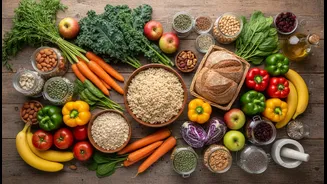
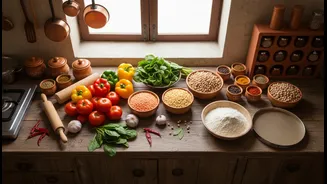
Creating a meal template is simple. Start by thinking in categories based on your dietary habits. For a balanced Indian meal, your template might look like this: Protein: Dal (moong, masoor, chana), legumes (rajma, lobia), paneer, eggs, chicken. Grain: Roti (whole wheat atta), rice, millets (bajra, jowar), quinoa. Vegetable: A seasonal sabzi. This is key for keeping costs down, as seasonal produce is always cheaper and fresher. Accompaniment: Curd, salad, chutney, or a simple raita. For breakfast, your template could be 'grain-based option' (poha, upma, oats) or 'protein-based option' (besan chilla, eggs). For lunch, it might be 'leftovers' or 'roti + sabzi'. This structure allows for immense variety while ensuring your meals are balanced and built from affordable staples.
Putting Your Template into Action
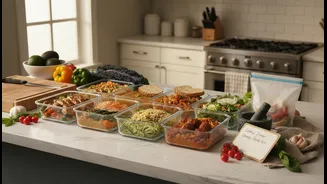
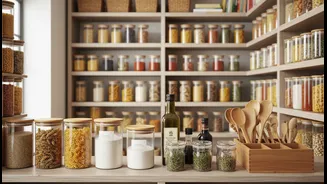
With your template ready, weekly planning becomes a breeze. First, take inventory of what you already have in your pantry and fridge. This is the most effective way to reduce food waste and save money. See that you have half a cabbage and some carrots? Plan for a stir-fried sabzi. Is there a surplus of tomatoes? A simple tomato chutney or rasam can be on the list. Next, check for seasonal deals at your local market. If spinach is cheap, plan for palak paneer or dal palak. Your template guides you to buy versatile ingredients that can be used across multiple meals, ensuring nothing goes to waste. Cooking a larger batch of a staple dal or preparing a base gravy over the weekend can save immense time during busy weekdays.
The Real-World Benefits: Saving Time and Money
Adopting a template-based approach has tangible benefits. By shopping with a plan based on versatile staples and what you already own, you’ll naturally spend less on groceries and avoid impulse buys. An estimated 30-40% of the food supply is lost to waste, and a significant portion of that happens in our own kitchens. By planning meals around ingredients you need to use up, you directly combat this problem. Furthermore, the mental energy saved is significant. Instead of facing the daily question of “What’s for dinner?” with a blank slate, you have a simple, guiding structure that makes the decision quick and stress-free. It provides the psychological benefits of control and planning without the rigidity that often leads to failure.