



Why Scale Training Matters
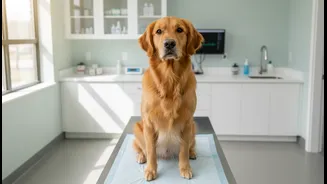
That initial weigh-in can set the tone for the entire vet appointment. A fearful dog who is forced or uncomfortably coaxed onto the scale is already experiencing stress, which can make the rest of the examination more difficult for everyone involved.
By teaching your dog to willingly step on a scale, you are doing more than just simplifying a task. You are building trust, reducing anxiety, and transforming a potential point of conflict into a moment of cooperation. This is a core principle of cooperative care, where pets are taught to be active participants in their own healthcare routines. This training helps ensure a more accurate weight reading—crucial for monitoring health and medication dosage—and strengthens the bond you share with your pet.
Getting Started: Tools for Success
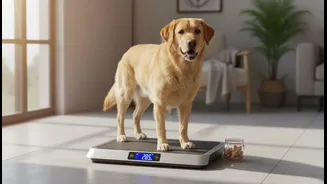
The beauty of this training is its simplicity. You don't need fancy equipment. All you need is a basic bathroom scale, a quiet space, and a supply of high-value treats. These aren't your dog's everyday kibble; think small, delicious morsels like tiny pieces of cheese, chicken, or special training treats that your dog absolutely loves. The key is that the reward must be exciting enough to make the learning process a fun and positive game. Having your dog slightly hungry before a session can also increase their food motivation. For added stability and comfort, especially on a slippery metal or plastic scale, you can place a thin, non-slip bath mat or yoga mat on top.
Step 1: Introduce the Scale
Begin by simply placing the scale on the floor in a neutral area of your home. Don't ask your dog to do anything. Let them investigate it on their own terms. The moment your dog sniffs, looks at, or shows any interest in the scale, reward them with a treat and praise. The goal is to build a positive association with the object itself. Keep these sessions short and fun, just a few minutes at a time. If your dog is hesitant, you can create a trail of treats leading toward and around the scale to encourage them to approach it.
Step 2: Reward a Single Paw
Once your dog is comfortable being near the scale, you can begin to shape the behavior of stepping onto it. Encourage your dog to place just one paw on the scale. You can do this by holding a treat over the scale to lure them forward. The instant a paw touches the surface, mark the behavior with an enthusiastic "Yes!" and give them the treat. Don’t push for more. Repeat this step until your dog is confidently offering a single paw on the scale, understanding that this action earns a reward.
Step 3: From Two Paws to All Four
With your dog successfully placing one paw on the scale, the next step is to encourage them to put two paws on. Again, use a lure if needed, and reward this new achievement enthusiastically. From there, you will gradually build up to asking for all four paws on the scale. This is a significant step, as the scale might wobble or make a noise, which can be startling. Be patient and keep the rewards flowing. Don't force them; if your dog backs away, that's okay. Simply go back a step to where they were successful and try again later, breaking the task into smaller, more manageable pieces.
Step 4: Build Duration and Generalize
When your dog is comfortably standing with all four paws on the scale, you can start working on duration. Ask them to stay for just one second before rewarding, then gradually increase the time to two seconds, then three. The goal is a calm, stable stand for a few moments. Once this is solid at home, you can practice in new environments if possible. Many pet supply stores have scales available for public use, which can be a great way to generalize the behavior. You can also schedule 'happy visits' at your vet clinic, where you pop in just to practice on the scale for treats and then leave. This helps your dog build positive memories in the vet's office, overriding previous anxiety.