





A Royal Vote of Confidence
Saudi billionaire Prince Alwaleed bin Talal recently disclosed a 5% stake in Lucid Group, a move that caused the company's stock to surge. The prince's private office filed with U.S. regulators showing ownership of over 19.5 million shares. He confirmed
on social media that the stake was acquired when Lucid’s market capitalization was below $2 billion, suggesting he bought shares at a low point following a period of intense market pressure and bankruptcy rumors, which the company denied. This purchase, valued at over $129 million, is seen by many as a powerful vote of confidence in the embattled automaker's future.
The Saudi Lifeline
To understand the significance of this purchase, one must look at Lucid’s deep ties to Saudi Arabia. The Kingdom’s Public Investment Fund (PIF) has been Lucid's majority shareholder and financial lifeline since 2018, investing billions to keep the company afloat. The PIF maintains a stake of around 60%, and this backing is crucial for a company that has yet to turn a profit and has been consistently losing money. While Prince Alwaleed’s investment is personal and separate from the PIF, it reinforces the perception of unwavering Saudi backing for the EV company, which is building its first international plant in the Kingdom.
An Uphill Battle for Profitability
Despite its critically acclaimed technology, Lucid has faced a difficult journey. The company has been hemorrhaging cash, reporting a net loss of over $1 billion in the first quarter of 2026 alone. Production and delivery numbers have struggled to meet initial forecasts. For Q1 2026, Lucid produced 5,500 vehicles but delivered only 3,093. The company has faced supply chain issues, including a problem with a seat supplier that disrupted deliveries of its new Gravity SUV. In response to financial pressures, Lucid has undergone significant restructuring, including appointing a new CEO, Silvio Napoli, and cutting its workforce.
The Promise of a Turnaround
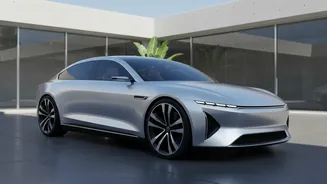
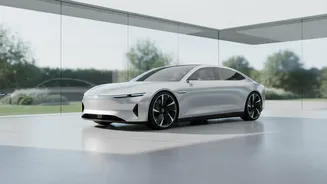
The path forward for Lucid hinges on its so-called turnaround plan. Central to this is its new Lucid Gravity SUV, which began production in late 2024 and is positioned as a key driver of future revenue. The company's vehicles, particularly the Lucid Air sedan, are praised for their industry-leading range and cutting-edge technology. While sales have been slow, the company has seen some positive signs, with Q1 2026 revenue up 20% compared to the previous year. The recent capital raises, including from the PIF and an expanded partnership with Uber for robotaxis, provide much-needed liquidity to fund operations into 2027.
Navigating the Competitive EV Market
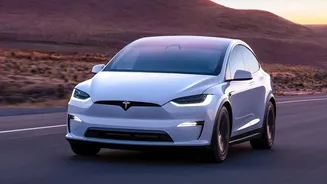
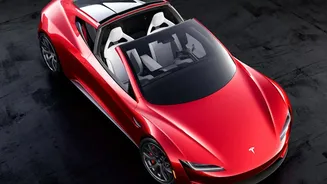
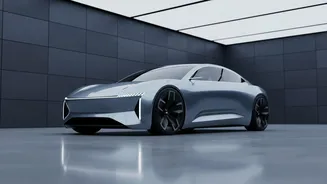
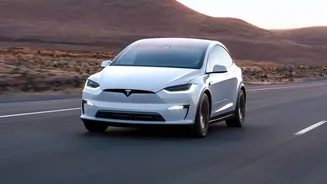
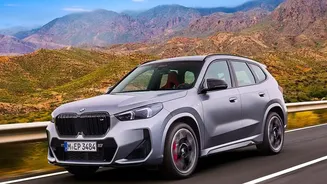
Prince Alwaleed’s investment shines a light on a company at a critical crossroads. Lucid is not operating in a vacuum; the luxury EV market is intensely competitive, with giants like Tesla and established players like BMW and Mercedes-Benz vying for market share. Lucid's survival depends on its ability to scale production, control costs, and convince buyers its premium price tag is justified by its superior technology. The continued financial backing from Saudi Arabia provides a crucial runway, but it doesn't guarantee success. The company must prove it can translate its engineering prowess into a sustainable and profitable business.