
Meet the New Flavours
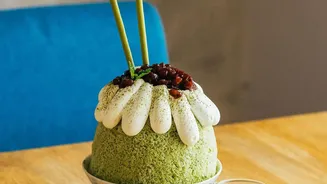
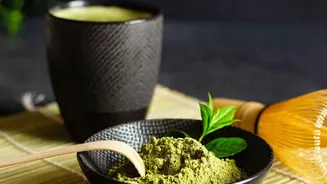
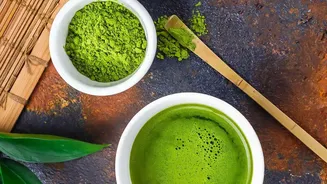
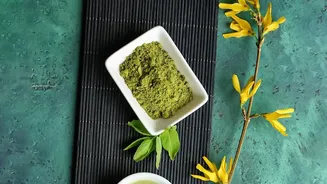
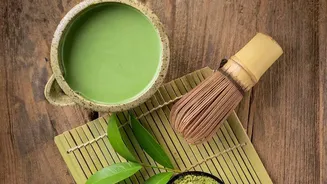
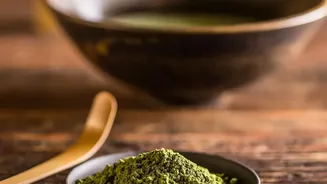
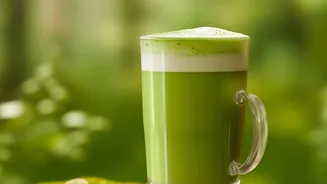
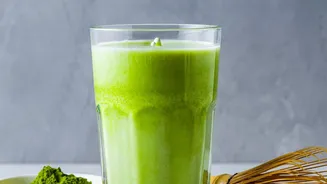
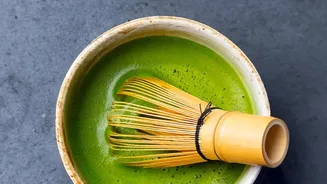
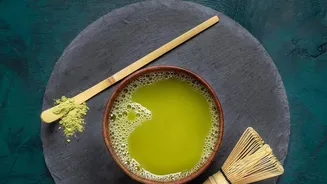
So, what are these trendy new ingredients taking over cafe menus? First is matcha, a finely ground powder of specially grown and processed green tea leaves from Japan. It's known for its bright, grassy, and slightly bitter taste with a rich umami undertone.
Next is hojicha, another Japanese green tea, but with a twist. It’s made by roasting tea leaves, which gives it a reddish-brown colour and a toasty, nutty, and almost caramel-like flavour with very little caffeine. Finally, there's ube (pronounced OO-beh), a purple yam from the Philippines. It has a striking violet colour and a sweet, creamy flavour often compared to vanilla and pistachio. Unlike matcha and hojicha, ube is a root vegetable and is naturally caffeine-free.
A Sign of Shifting Palates
The growing curiosity around these flavours is a clear indicator of an evolving Indian palate, especially in metropolitan areas. Google Trends data from August 2026 shows a massive surge in searches for these drinks. Queries for “how to make matcha” grew 1,300% in the past year, showing that the trend is moving from cafes into home kitchens. Searches for ube and hojicha also hit all-time highs in 2026, with users looking up recipes and flavour comparisons. This isn't just a fleeting fad; it’s part of a broader shift. The Indian non-alcoholic beverage market is becoming more diversified, moving beyond carbonated drinks to include a wider variety of ready-to-drink teas, coffees, and functional beverages. Consumers are actively seeking new and premium experiences.
Why Now? The Drivers of Change
Several factors are fuelling this change. Increased global exposure through travel, social media, and streaming content has made Indian consumers, particularly Gen Z and millennials, more adventurous with their food choices. This generation actively seeks out new cuisines and unique dining experiences. The visual appeal of drinks like vibrant green matcha and purple ube lattes makes them highly shareable on platforms like Instagram, which further drives their popularity. There's also a growing wellness consciousness. Post-pandemic, consumers are more interested in 'functional beverages'—drinks that offer health benefits beyond basic nutrition. Recent search trends show a 1,000% increase in queries for “matcha health” and a 2,500% spike for “matcha protein,” indicating that consumers are looking into the wellness aspects of these new drinks.
More Than Just a Beverage
The rise of matcha, hojicha, and ube is more than just a drink trend; it reflects a deeper cultural shift. It shows a growing confidence in culinary experimentation, where global flavours are not just accepted but embraced and integrated. Restaurants and cafes are responding by not only adding these items to their menus but also by creating fusion offerings that blend international trends with local tastes, such as 'ube matcha' lattes. This curiosity is expanding beyond beverages, as seen in breakout Google searches for 'matcha perfume', 'matcha shoes', and 'ube matcha' desserts, suggesting these ingredients are becoming part of a broader lifestyle aesthetic. It signals a move towards a more globalised, yet personalised, consumer culture in urban India.