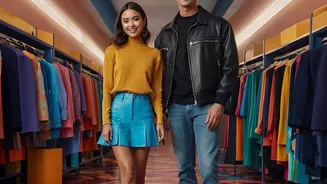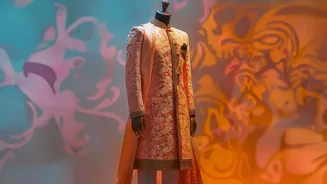

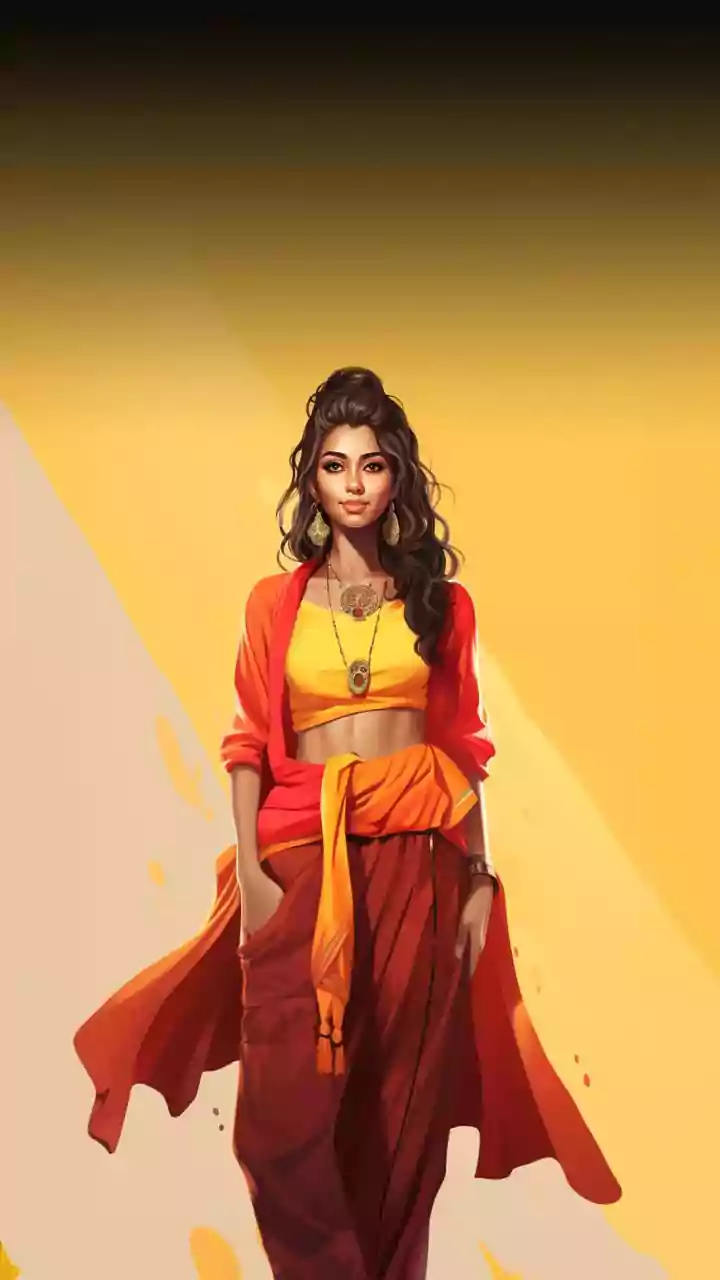
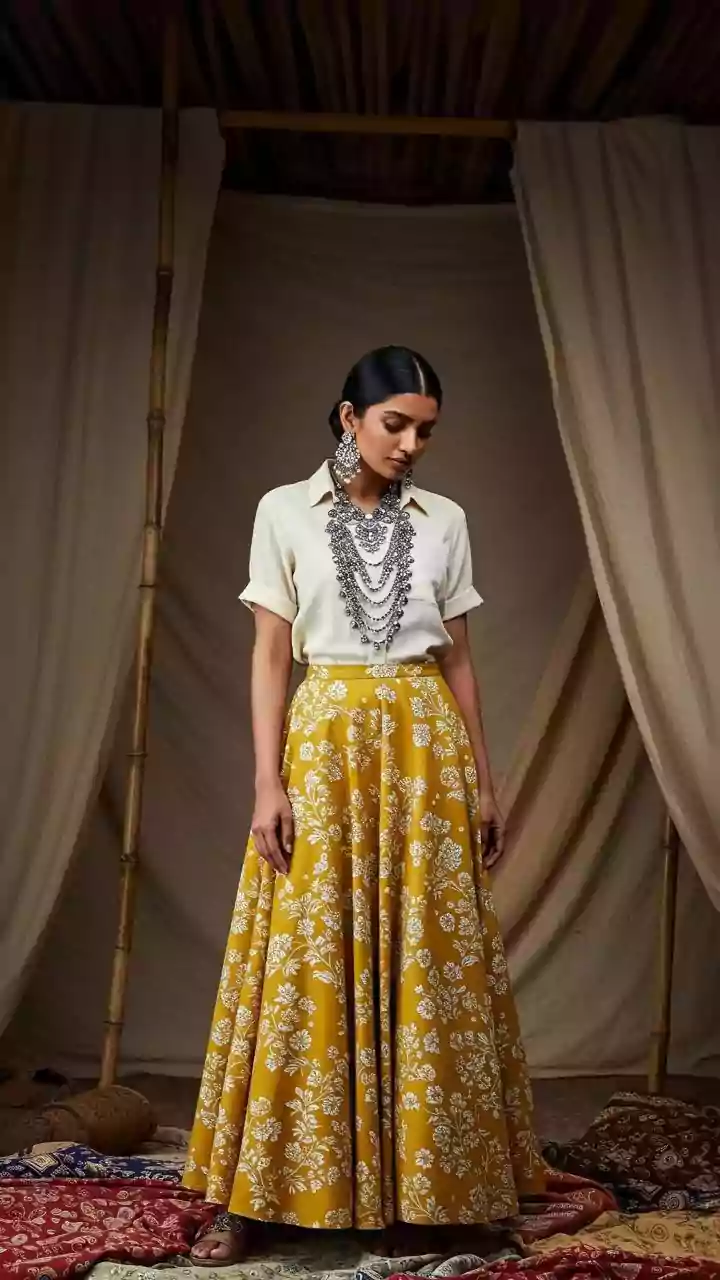

From Occasion-Wear to Everywhere
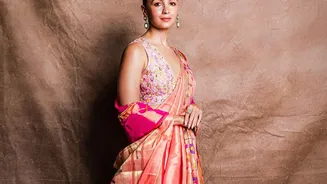
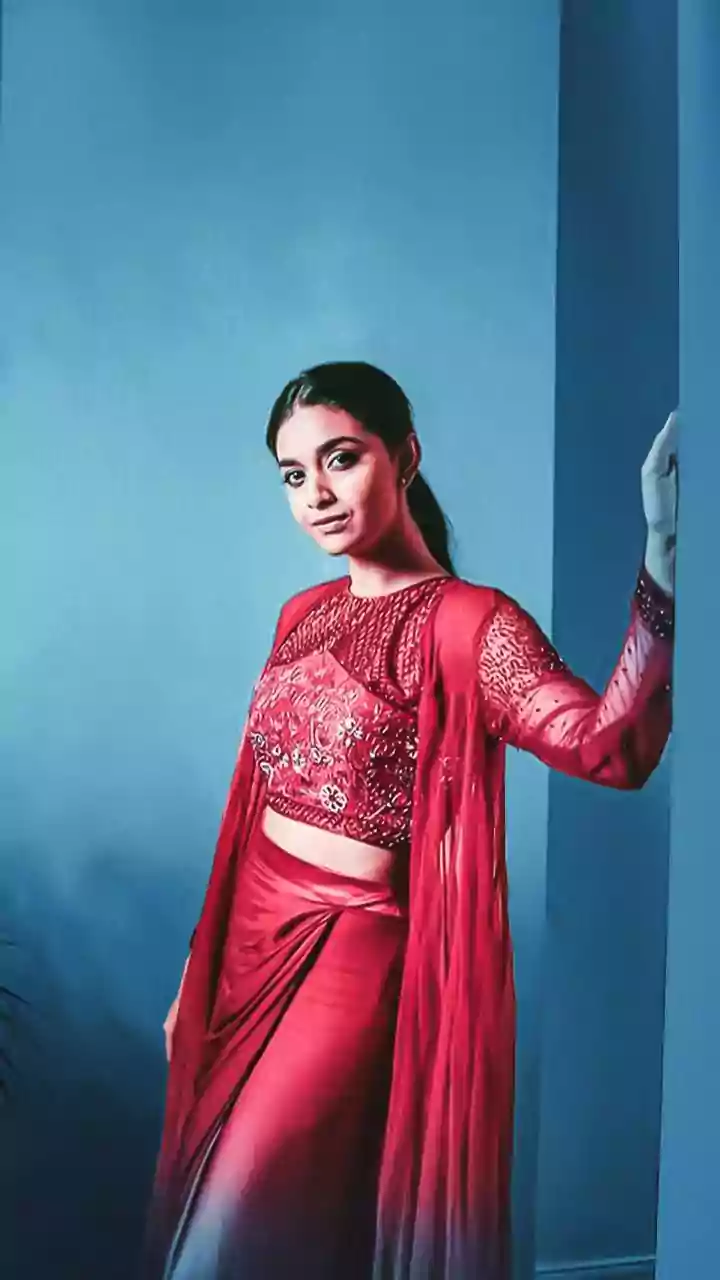
For generations, the shimmering gold of Zardozi, the delicate white threads of Chikankari, and the vibrant florals of Phulkari were reserved for saris, lehengas, and other celebratory garments. They were the definition of "festive wear," brought out for weddings
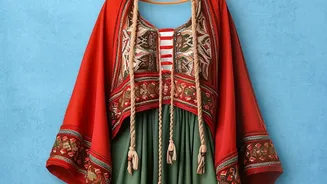
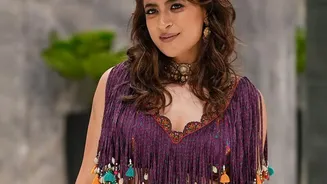
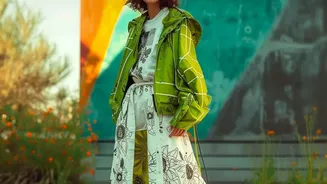
and holidays. But in 2026, that's changing dramatically. Designers, both in India and globally, are looking at these stunning crafts not as ethnic embellishments, but as powerful design elements in their own right. The trend is about moving these art forms beyond a traditional context and into a global, contemporary one. This isn't about cultural appropriation, but a genuine appreciation for craftsmanship and a desire to make it part of daily life.
The New Canvas: Denim, Blazers, and Beyond
The most exciting part of this movement is seeing where these threads are landing. The rugged, casual canvas of a denim jacket now serves as a backdrop for intricate Phulkari or Chikankari panels. A sharply tailored blazer, the uniform of the modern professional, gets a touch of unexpected luxury with Zardozi embroidery on a lapel or cuff. Designers are treating these everyday items as a fresh canvas, creating a compelling contrast between the structured and the ornate, the old and the new. It's a fusion that feels both surprising and perfectly natural, turning a simple garment into a piece of wearable art.
A Quick Guide to the Trending Threads
To truly appreciate the trend, it helps to know the players. While India has hundreds of regional embroidery styles, a few are leading this modern charge. Chikankari, a delicate and intricate white-on-white (or increasingly, tonal) embroidery from Lucknow, is bringing quiet elegance to linen shirts and summer dresses. Zardozi, a more opulent style using metallic threads, once reserved for royalty, is now adding a touch of glamour to clutch bags, statement boots, and jacket collars. Meanwhile, the vibrant, narrative styles of Kantha from Bengal and the colorful geometric Phulkari of Punjab are appearing on everything from tote bags to bomber jackets, celebrated for their folksy charm and storytelling power.
Sustainability and Conscious Style
This trend is more than just an aesthetic choice; it’s deeply connected to the growing movement for sustainable and conscious fashion. Many of these embroidery techniques have been practiced for centuries in ways that are inherently eco-friendly, using natural fibers and dyes. By supporting brands that work directly with artisan communities, consumers are not only acquiring a unique piece but are also helping to preserve these heritage skills and provide vital income to rural craftspeople. In a world of fast fashion, opting for a handcrafted, embroidered piece is a vote for slower, more meaningful production and clothing that tells a story.
How to Wear the Trend Without a Fuss
Intimidated? Don't be. Incorporating this trend into your wardrobe is easier than you think. Start small with an accessory, like a Phulkari-embroidered belt or a clutch with Zardozi work. For clothing, the key is balance. Pair an embroidered top or jacket with simple, solid basics like well-fitting jeans or tailored trousers. A Chikankari kurta, for instance, is a classic match for blue denim. The goal is to let the embroidered piece be the star of the show. It's about personal style, not costume, so mix and match to find what feels right for you. The modern approach is often about subtlety, with tone-on-tone embroidery becoming a major trend for its sophisticated, textured look.