









Why Trucks Are the New Focus
For years, Delhi has been battling hazardous air quality, with vehicular emissions being a primary culprit. While private cars and two-wheelers have been a major part of the conversation, the government is now zooming in on commercial goods vehicles.
Recent studies have highlighted their disproportionate impact. According to a 2018 government study, commercial goods carriers are responsible for 33% of vehicular pollution in the city. Another report found that heavy-duty trucks account for 23% of the capital's transport-related PM2.5 emissions, a figure that skyrockets to 61% during the night and early morning hours when most freight movement occurs. Recognizing this, the Delhi government’s new EV policy, effective from July 2026, makes the electrification of this segment a top priority to clean the city's air.
A 'Truck Revolution' Through Incentives
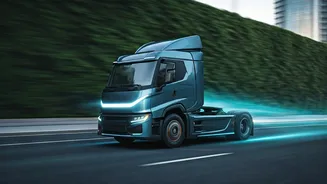
The new policy introduces a comprehensive suite of incentives designed to trigger a 'truck revolution'. For buyers of N1 category electric trucks, which are lighter commercial vehicles with a gross vehicle weight up to 3.5 tonnes, the government is offering significant financial support. This includes a purchase incentive of up to ₹1 lakh in the first year of the policy, coupled with a scrapping incentive of ₹50,000 for retiring older, polluting trucks. For larger, medium-duty N2 category trucks (3.5 to 12 tonnes), the incentive is operational. The first 1,000 such e-trucks purchased within three months of the policy's notification will receive a 10-year exemption from Delhi's 'No Entry' time restrictions, allowing them to operate around the clock. This is a massive operational advantage aimed at encouraging early adoption by fleet operators.
The Long-Term Roadmap
The policy isn't just about temporary incentives; it sets a firm deadline for a complete transition. The government has mandated that from January 1, 2027, all new registrations for N1 category trucks must be electric vehicles. This clear timeline is intended to send a strong signal to manufacturers, fleet owners, and logistics companies to begin their transition plans immediately. This move, combined with similar mandates for two-wheelers and three-wheelers, is part of a larger strategy backed by a ₹15,000-crore budget to make Delhi a leader in electric mobility by 2030. The goal is to systematically phase out polluting commercial vehicles from the city's roads.
Hurdles on the Road to Electrification
Despite the attractive incentives, the path to a fully electric freight sector is not without challenges. The high upfront cost of electric trucks remains a significant barrier for many small operators and businesses. Furthermore, the lack of adequate charging infrastructure, especially for heavy-duty vehicles that require more powerful and dedicated charging points, is a major concern. While the president of the All India Motor and Goods Transport Association welcomed the move for smaller trucks, he expressed concern that the incentives for larger N2 trucks may not be enough, given that these vehicles travel across states and would require a pan-India charging network. The success of the policy will hinge on how effectively the government can address these infrastructure gaps and ensure that the total cost of ownership becomes favorable for truck operators.