






The Unexpected Box Office Heroes
For years, the narrative was set: streaming services had won, and the cinema was dying. Yet, against all predictions, a surprising hero has emerged to lead a box office revival: Gen Z. According to a 2026 Fandango study, individuals born between 1997
and 2012 are now the most frequent moviegoers. An impressive 87% of Gen Z have seen a movie in theatres over the past year, outpacing every other generation, including Millennials (82%) and Baby Boomers (58%). They aren't just showing up; they're going more often, averaging about seven trips a year and spending more on premium formats like IMAX and concessions than anyone else. This resurgence comes as a welcome relief to an industry still recovering from pandemic-era attendance slumps.
More Than Just a Movie
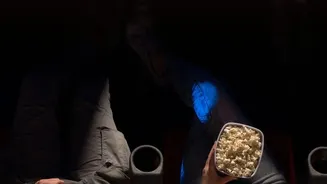
What makes this trend significant is not just the 'who' but the 'why'. For Gen Z, going to the movies is fundamentally different. Where older generations might see it as a personal escape, this younger cohort views it as an essential social activity. They are more likely to attend with friends and integrate the trip into a larger social outing, like dinner or drinks. This shift transforms the theatre from a simple venue for watching a film into a crucial 'third space'—a place for social connection away from home and work. After years of pandemic-induced isolation, the craving for tangible, shared physical experiences is a powerful motivator. The cinema provides a rare space to be present with others, laugh at the same jokes, and feel the energy of a crowd, something streaming at home cannot replicate.
From TikTok Trend to Ticket Sales
Ironically, the very digital platforms thought to be killing cinema are now fueling its revival. Social media sites like TikTok, Instagram, and Letterboxd have become the new frontier for film discovery and hype. A movie's cultural value is now often decided online before it even hits a wide audience. Viral clips, fan edits, and impassioned video reviews can turn a niche film into a must-see event overnight. This digital word-of-mouth is incredibly powerful for a generation that prioritizes peer recommendations. The conversation online creates a sense of urgency to participate in the cultural moment, avoid spoilers, and share their own reactions, driving them from their phones to the theatre seats.
Hollywood Takes Notice
This behavioural shift is forcing the film industry to adapt. Studios are learning that to attract Gen Z, the movie itself needs to feel like an event. Blockbusters with huge fanbases, like superhero films and animated sequels, continue to draw crowds. However, there is also a clear appetite for original stories, especially in genres like horror, which thrives on communal reactions and word-of-mouth buzz. Successful marketing campaigns now lean heavily on social media engagement, creating interactive elements and collaborating with influencers who have authentic connections with their audiences. The success of films that generate intense online discussion proves that Gen Z isn't just a passive audience; they are active participants who can co-create a film's success.