


A Nutritional Powerhouse in Every Bite
Chickpeas are celebrated for their impressive nutritional profile, making them an excellent addition to any diet. They are a fantastic source of plant-based protein, crucial for muscle strength and keeping you feeling full longer. A single cup of cooked
chickpeas provides around 14.5 grams of protein, comparable to other legumes like lentils. Beyond protein, they are loaded with dietary fibre, with about 12.5 grams per cup. This fibre is not only essential for digestive health but also plays a significant role in managing blood sugar levels and can help in lowering cholesterol. Furthermore, chickpeas are packed with essential nutrients including iron, folate, magnesium, and potassium, supporting everything from heart health to brain function.
The Ultimate Texture Hack: Roasting for Crunch
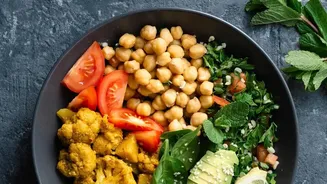
One of the simplest yet most transformative ways to use chickpeas is by roasting them. This technique turns their soft, creamy interior into an irresistibly crispy, crunchy snack or topping. To achieve the perfect crunch, simply rinse, drain, and thoroughly dry a can of chickpeas. Tossing them with a bit of olive oil and your favourite spices—like paprika, cumin, or just salt and pepper—before roasting at a high temperature creates a snack that rivals any packaged alternative. These roasted gems can be sprinkled over salads as a gluten-free crouton alternative, added to grain bowls for a protein boost, or used to garnish soups, providing a delightful textural contrast with every spoonful.
From Soups to Smoothies: A Creamy Base
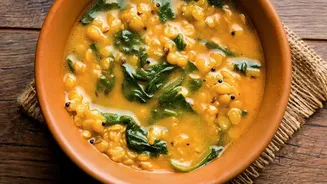
When blended, chickpeas offer a wonderfully creamy texture that can enrich a variety of dishes without adding heavy fats. Beyond classic hummus, pureed chickpeas can serve as a thickener for soups and stews. Blending a portion of the chickpeas in a vegetable soup and adding it back to the pot creates a richer, more satisfying broth. This method also works beautifully in curries, lending body and a subtle, nutty flavour. For a surprisingly effective smoothie booster, adding a small handful of chickpeas can increase the protein and fibre content, making your morning drink more filling and nutritious without significantly altering the taste.
The Versatility of Chickpea Flour (Besan)
Chickpea flour, widely known as besan or gram flour in India, is a gluten-free pantry staple with endless possibilities. Its high protein content makes it an excellent binder in recipes, perfect for creating savoury pancakes (like socca or pudla), fritters, and veggie burgers. It can be used to create a batter for coating vegetables before frying, resulting in a light, crispy finish. In baking, chickpea flour can add structure and nutrients to everything from brownies to breads, often deepening flavours like chocolate. It also works as a natural thickener in sauces and can be whisked with water to create a vegan-friendly scramble that mimics the texture of eggs.
The Kitchen Magic of Aquafaba
Don't discard the liquid from a can of chickpeas! This viscous fluid, known as aquafaba, is a revolutionary egg substitute in vegan cooking and baking. When whipped, it miraculously transforms into a stable foam that closely resembles beaten egg whites. This makes it the secret ingredient for creating airy vegan meringues, mousses, and macarons. Even in its liquid form, aquafaba can act as a binder in recipes for cakes, cookies, and mayonnaise. Typically, three tablespoons of aquafaba can replace one whole egg, while two tablespoons can stand in for one egg white, opening up a world of culinary possibilities for those avoiding eggs.