




A Tradition of Warmth
In India, the monsoon is a season of profound change, bringing relief from the scorching summer heat but also ushering in humidity and a tendency for slower digestion. Traditional wisdom, particularly from Ayurveda, suggests that the body’s digestive
fire, or 'Agni', is weaker during this time. The solution, passed down through generations, is to favour foods that are warm, light, and freshly prepared. This culinary shift isn't just about health; it's a deeply ingrained cultural response, a way of finding comfort and balance when the skies turn grey. From roadside stalls to family kitchens, the sizzle of hot oil and the aroma of spices become the season's defining soundtrack.
The Irresistible Call of Fried Delights
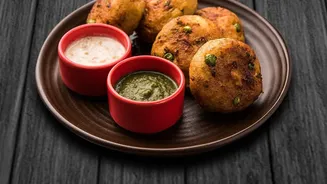
No monsoon experience is complete without a plate of piping hot pakoras or samosas. Whether it's the thinly sliced onion bhaji, soft paneer pakoras, or the classic potato-filled samosa, these deep-fried snacks are the unofficial food of the season. There's a science to this craving; the crunchy texture provides a satisfying contrast to the damp, soft atmosphere. Furthermore, a lack of sunlight can lead to a dip in mood-regulating serotonin, and the carbohydrates in these snacks can provide a quick, comforting boost. Paired with a tangy mint chutney and a steaming cup of masala chai, they create a simple, perfect moment of bliss against the backdrop of falling rain.
Bhutta: A Roasted Roadside Ritual
As iconic as any fried snack is the humble bhutta, or corn on the cob, roasted over hot coals by a roadside vendor. The experience is multi-sensory: the sight of the vendor fanning the coals, the smoky aroma, and the final flourish of salt, chilli, and a squeeze of lime rubbed onto the hot kernels. This snack is about more than just taste; it is a communal and public ritual. It's a simple, warming, and wholesome treat that is enjoyed on the go, often while sheltering from a downpour. Steamed corn, seasoned with butter and spices, is another popular and healthy variation enjoyed at home.
Khichdi: The Ultimate Bowl of Comfort
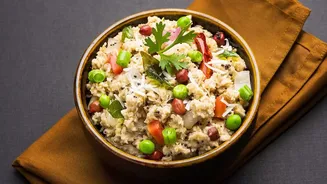
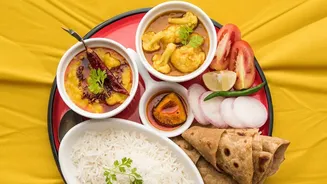
When the rain is relentless and the craving is for pure comfort, many Indian homes turn to khichdi. A one-pot dish of rice and lentils, it is the very definition of nourishing, soulful food. While often associated with restorative meals, during the monsoon, khichdi is celebrated for its qualities that align perfectly with Ayurvedic advice: it's warm, easy to digest, and can be adapted with seasonal vegetables and gentle spices like turmeric and cumin. A dollop of ghee on top adds flavour and is believed to aid digestion. Served with a side of yogurt, pickle, or papad, a bowl of khichdi feels like a warm hug on a dreary day.
Beyond the Plate: Warming Soups and Spiced Chai
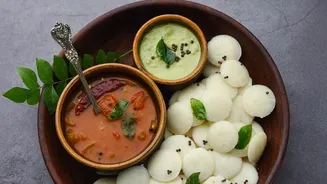
The emphasis on warmth extends to beverages. Masala chai, a brew of black tea, milk, and warming spices like ginger, cardamom, and cloves, is the quintessential monsoon drink. A cup of adrak chai (ginger tea) is a go-to remedy for warding off chills and colds. Alongside tea, light and flavourful soups play a starring role. In South India, a spicy and tangy pepper rasam is a staple, prized for its ability to clear the sinuses and warm the body from the inside out. These hot liquids provide hydration and comfort, proving that monsoon meals are as much about what you drink as what you eat.