






Manarola, Italy: The Cliffside Rainbow
Clinging to the rugged cliffs of the Italian Riviera, Manarola is a postcard come to life. As one of the five villages of Cinque Terre, its tightly-packed houses are a cascade of warm, vibrant colours tumbling towards the Ligurian Sea. Dating back to the 14th
century, the town's visual identity is inseparable from its history as a fishing village. The best views are often from the water or the surrounding hiking trails, where the cluster of colourful buildings appears to glow at sunset. While it's one of the most photographed spots in the region, Manarola maintains an authentic charm, especially when wandering its narrow lanes away from the main harbour. The surrounding hills are carved with terraced vineyards, producing the local Sciacchetrà wine and adding another layer of beauty to this iconic landscape.
Chefchaouen, Morocco: The Blue Pearl
Nestled high in Morocco's Rif Mountains, Chefchaouen is famous for its mesmerising blue-washed medina. Walking through its maze-like alleys feels like stepping into a dream, with every shade of blue imaginable painting the walls, doors, and steps. There are several theories behind the blue hue; some say it was introduced by Jewish refugees in the 1930s to symbolise the sky and heaven, while others believe it helps repel mosquitos. Regardless of its origin, the tradition has transformed the city into a globally recognised visual wonder. The tranquil atmosphere is a world away from the bustle of Marrakesh or Fez, making it a peaceful haven for those looking to soak in the serene, monochromatic beauty.
Shirakawa-go, Japan: A Fairytale in the Mountains
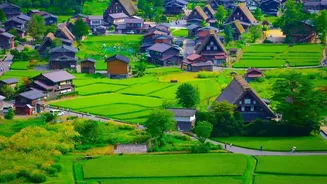
Recognised as a UNESCO World Heritage site, the historic village of Shirakawa-go offers a glimpse into a bygone era of Japan. Its defining feature is the collection of traditional gassho-zukuri farmhouses, some of which are over 250 years old. The name "gassho-zukuri" means "constructed like hands in prayer," referring to the steep, thatched roofs designed to withstand heavy snowfall in winter. These structures, built without any nails, are masterpieces of carpentry. In winter, the village transforms into a magical landscape, with the snow-covered roofs resembling gingerbread houses. But the village is stunning year-round, surrounded by green rice paddies in summer and vibrant foliage in autumn. This remote mountain settlement provides a unique look at a traditional and practical architectural style born from its environment.
Rothenburg ob der Tauber, Germany: The Medieval Dream
Located on Germany's famous Romantic Road, Rothenburg ob der Tauber is one of the best-preserved walled medieval towns in the country. Walking its cobblestone streets is like travelling back in time, with half-timbered houses, fortified towers, and narrow alleyways creating a storybook atmosphere. The name translates to "Red castle above the Tauber," referencing its position over the river. Unlike many historic towns, Rothenburg's medieval walls are completely intact, and visitors can walk along them for stunning views of the town and surrounding countryside. From the colourful Plönlein corner to the bustling Market Square, every part of the old town is brimming with charm that has captivated travellers for generations.
Guatapé, Colombia: The Town of Zócalos
Guatapé is arguably Colombia's most colourful town, known for its vibrant buildings decorated with fresco-like panels called zócalos. These decorative, bas-relief creations adorn the lower third of almost every building, telling stories about the town's history, the occupations of its residents, or simply displaying bright, geometric patterns. The tradition began in the early 20th century and has turned the town into a living outdoor art gallery. Wandering through the streets, you’ll find zócalos depicting everything from farm animals to flowers to symbols of local life. The result is a cheerful, energetic, and visually unique urban landscape that sets Guatapé apart from any other town in the world.