





The Problem of Too Much Choice
For decades, customer choice was a hallmark of the Volkswagen brand and its subsidiaries, including Audi and Skoda. A potential buyer could spend hours in a digital configurator, selecting from a vast menu of engine types, trim levels, paint colours,
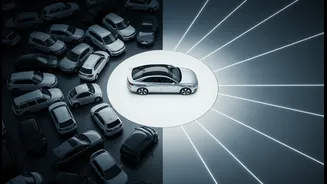
and optional extras. While this offered ultimate personalization, it created a massive headache for the company. This complexity cascades through the entire business, from sourcing thousands of unique parts and complicating assembly lines to making it difficult for dealerships to stock the right mix of vehicles. Volkswagen brand CEO Thomas Schäfer has stated that the company's pre-existing structures and high costs have made it uncompetitive. The sheer number of possible variations drove up development and manufacturing expenses, contributing to a situation where the company's profitability suffered despite strong vehicle sales.
A Sweeping 'Future Plan'
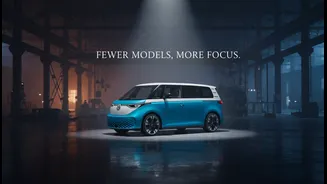
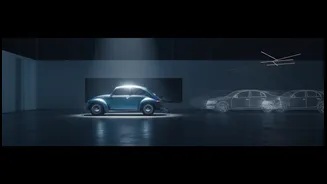
In response, the Volkswagen Group has unveiled a comprehensive restructuring effort dubbed the "Future Plan." At its core is a dramatic reduction in complexity. The company plans to cut its global model lineup by up to 50% by 2030 and slash the number of available equipment configurations by as much as 75%. The goal is to focus resources on the most popular and profitable market segments. This radical shift is driven by a sharp decline in operating profit and intense pressure from competitors, particularly in the critical Chinese market. The strategy, championed by Group CEO Oliver Blume, aims to streamline everything from corporate structures to technology platforms, making the entire organization faster and more resilient.
How Simplification Drives Savings
Reducing the number of configurations creates a powerful ripple effect of cost savings. Fewer unique parts means VW can buy in greater bulk, securing better prices from suppliers and simplifying procurement. On the factory floor, assembly becomes faster and requires less variation, which boosts efficiency and lowers labour costs. The company has already seen factory costs in Germany improve by an average of 20% in the last year alone. For dealerships, a simplified lineup means they can stock fewer vehicles while still meeting customer demand, reducing the capital tied up in inventory. Finally, marketing becomes more straightforward, and there is less need to offer deep discounts to move unpopular configurations, which directly helps the bottom line. The overall production capacity is also being reduced from a peak of nearly 12 million units to a more demand-aligned target of 9 million.
What This Means for Car Buyers
For the consumer, this shift will mean a more streamlined and potentially less overwhelming car-buying experience. Instead of a nearly infinite list of à la carte options, customers will likely see well-equipped trim packages, similar to the model used by many competitors. While the sheer breadth of choice will diminish, the remaining models are expected to be focused on the features and combinations that buyers want most. The big question is whether these corporate savings will translate into lower sticker prices. While the company's primary goal is to improve its own profitability, this efficiency drive is also a response to a market where affordability is a growing concern for many buyers. By eliminating the high costs associated with extreme complexity, Volkswagen hopes to make its vehicles more competitive on price without sacrificing quality or core features.